











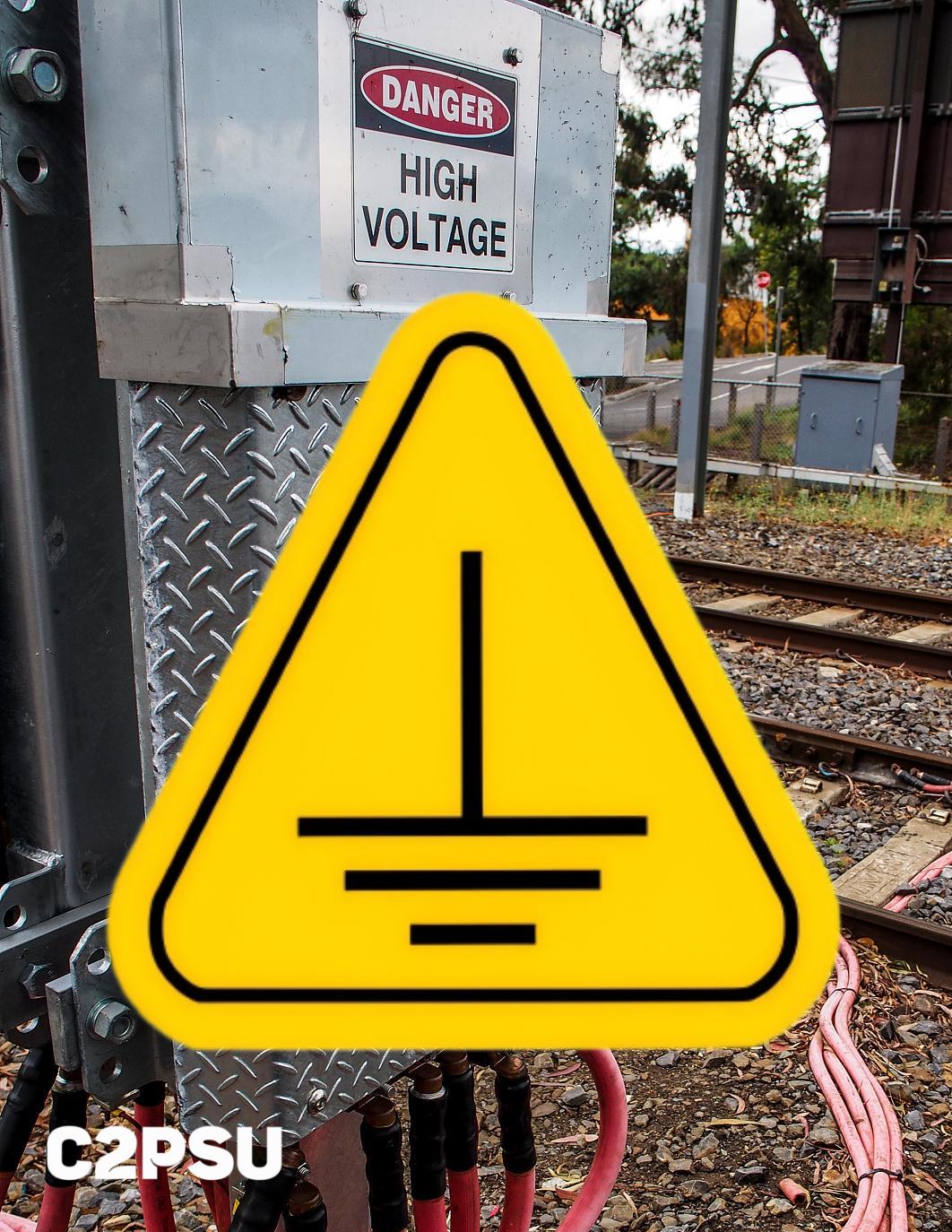
Effective Grounding Methods for High-Voltage Power Supplies
High-voltage (HV) power supplies are the workhorses behind critical applications like medical imaging (X-ray, CT scanners), semiconductor manufacturing, scientific instrumentation, and industrial processing. While much attention is given to their output specifications—voltage, current, stability—their grounding scheme is often an afterthought. This is a critical mistake. Proper grounding is not merely a safety checkbox; it is the foundational pillar for ensuring safety, operational reliability, electromagnetic compatibility (EMC), and signal integrity.
An ineffective ground can transform a precision power supply into a source of danger, noise, and erratic performance. This article outlines the core principles and effective methods for grounding high-voltage power supplies.
Why Grounding is Non-Negotiable for HV Systems
Grounding serves three primary, interconnected purposes:
- Safety (The Paramount Concern): The primary role is to provide a low-impedance path for fault currents. In the event of an internal insulation failure or accidental contact, a robust safety ground ensures the fault current trips the circuit breaker or fuse rapidly, protecting personnel from lethal electric shock and preventing equipment from becoming energized.
- Noise Reduction and Signal Integrity: HV supplies can generate significant electrical noise (EMI/RFI). A well-designed ground plane acts as a return path for common-mode noise currents and a shield against external interference. This is crucial for sensitive loads or when the HV supply is controlled by low-voltage logic signals.
- System Stability and Reference: Ground establishes a stable, common reference point (0V) for all system voltages. A “noisy” or “floating” ground can cause voltage references to shift, leading to instability in the output, inaccurate measurements, or oscillations in feedback loops.
Core Grounding Strategies in Practice
Implementing an effective ground requires a strategic approach. Here are the key methods:
1. The Safety Ground (Protective Earth)
- What it is: A dedicated, low-resistance physical connection from the HV power supply chassis to the building’s earth ground rod/network via a green/yellow wire.
- Implementation: Never compromise on this. Use a thick gauge wire, ensure connections are clean and tight (preferably using star washers to bite through paint), and verify continuity from the plug to all exposed metal parts. This is your last line of defense for personnel safety.
2. Single-Point Grounding (Star Ground)
- The Problem: When multiple ground connections exist at different points, large circulating currents can flow through the ground loops formed. These currents create voltage differences (“ground bounce”), which appear as noise.
- The Solution: Establish one single physical point as the system’s main “ground star.” Connect the HV supply’s safety ground, its output return (if not floating), the load’s ground, and any measurement instrument grounds to this single point. This prevents ground loops and provides a clean reference.
3. Separation of Grounds: Power, Signal, and Digital
- The Concept: A highly effective method for noise-sensitive systems is to use separate ground conductors or planes for different types of currents.
- Power Ground: Carries the high-current return from the load. This path can have small voltage fluctuations.
- Signal/Control Ground: Used for analog control voltages and feedback signals. This must be kept as clean as possible.
- Digital Ground: Carries the noisy, fast-switching currents from digital controllers and communication interfaces (e.g., RS-232, Ethernet).
- Implementation: These separate grounds are typically tied together only at one point (usually at the main star ground or the input of the HV supply). This prevents noisy currents from contaminating sensitive signal paths.
4. Proper Cable Shielding and Routing
- HV Output Cables: Use fully shielded cables rated for the high voltage. Always terminate the cable shield at the supply end to the chassis ground. At the load end, connect the shield to the load chassis. This creates a Faraday cage, containing electric field (E-field) emissions.
- Control/Signal Cables: Similarly, use shielded twisted-pair cables. Connect the shield at one end only (typically the supply end) to prevent ground loops, or at both ends if high-frequency noise is a concern, ensuring a low-inductance bond to chassis.
Common Grounding Pitfalls to Avoid
- Assuming “Zero Volt” is Universal: Just because two points are called “ground” does not mean they are at the same potential. Always consider the impedance of the path between them.
- Creating Ground Loops: Multiple connection paths between grounds form a loop that can act as an antenna, picking up magnetic field (H-field) interference.
- Floating the Output Incorrectly: Some applications require a floating output (where neither terminal is grounded). This must be done deliberately with proper insulation and monitoring, not by simply removing a safety ground connection.
- Neglecting High-Frequency Return Paths: At high frequencies, return currents follow the path of least inductance, which is directly under the signal trace. A continuous ground plane is essential for PCB-level design within the HV supply.
Best-Practice Checklist
- ✅ Safety First: Verify a robust, permanent protective earth connection.
- ✅ Plan Your Strategy: Decide on a single-point (star) ground scheme early in system design.
- ✅ Segregate Noisy and Quiet Grounds: Keep power, signal, and digital return paths separate until a common point.
- ✅ Shield Correctly: Use appropriate shielded cables and terminate shields deliberately to chassis ground.
- ✅ Keep Ground Leads Short and Thick: Minimize inductance and resistance in all ground paths.
- ✅ Test and Verify: Use a quality multimeter to check for unwanted AC voltage between ground points (a sign of noise) and verify insulation resistance.
Conclusion
Grounding a high-voltage power supply is a systems engineering task. There is no one-size-fits-all solution, but by understanding the principles of safety, single-point grounding, and segregation, you can design a system that is not only safe but also performs with the precision and reliability your application demands.
Treat the ground connection with the same importance as the high-voltage output itself. It is the silent guardian that ensures your high-voltage system operates safely, predictably, and free from disruptive noise.
Disclaimer: This article provides general guidelines for informational purposes. Always follow the specific installation instructions provided by your high-voltage power supply manufacturer and adhere to all applicable local and national electrical safety codes (e.g., NEC, IEC).


About author











Add comment