

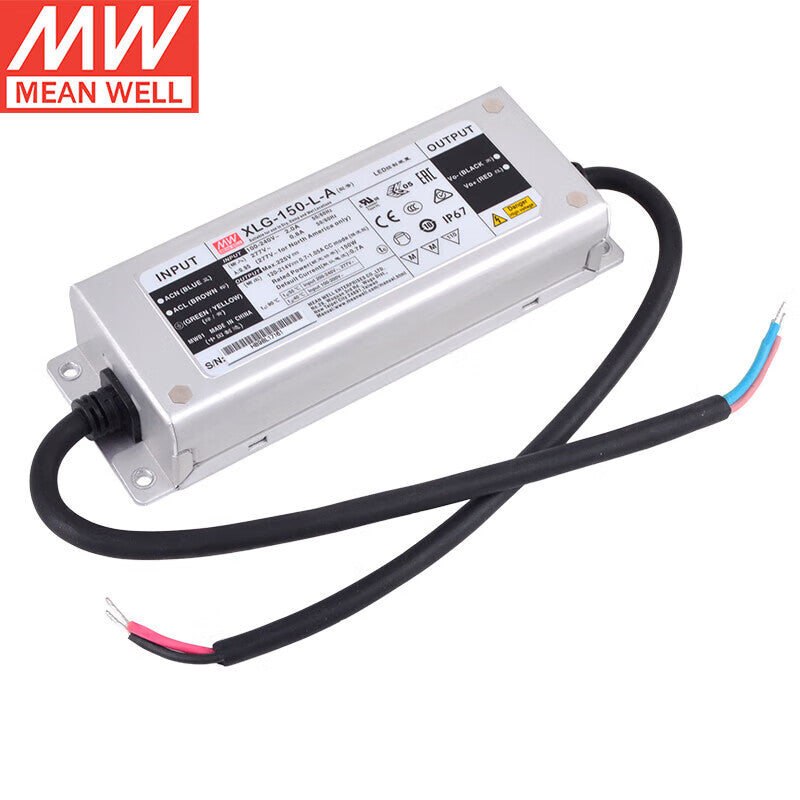
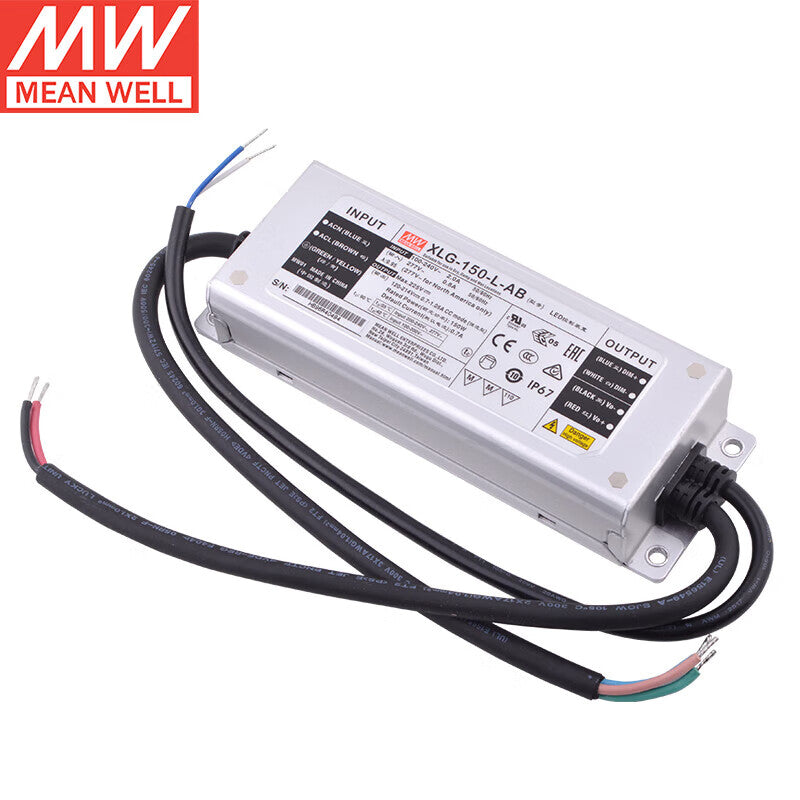
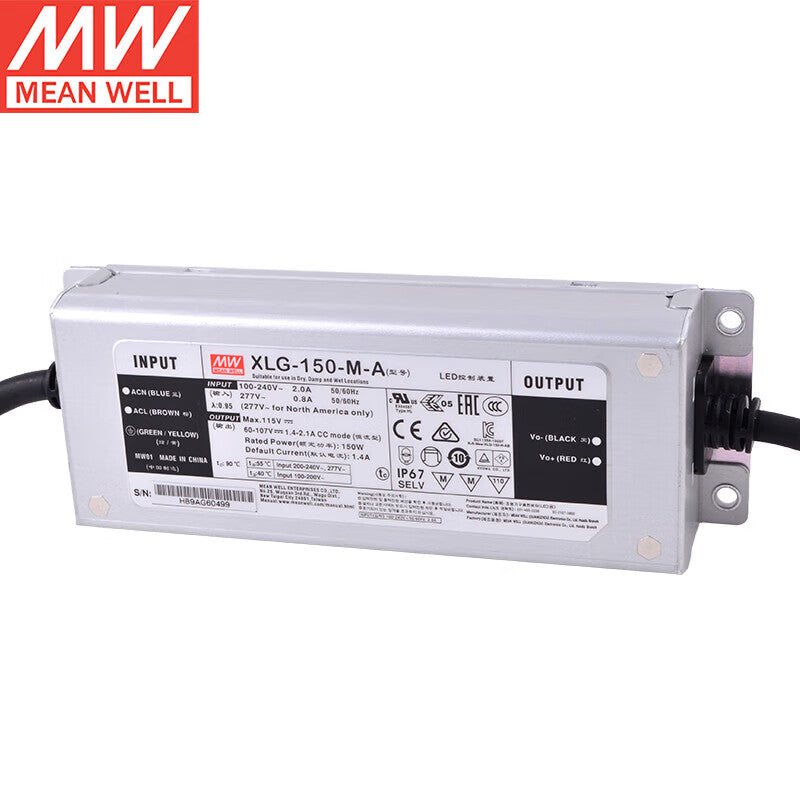
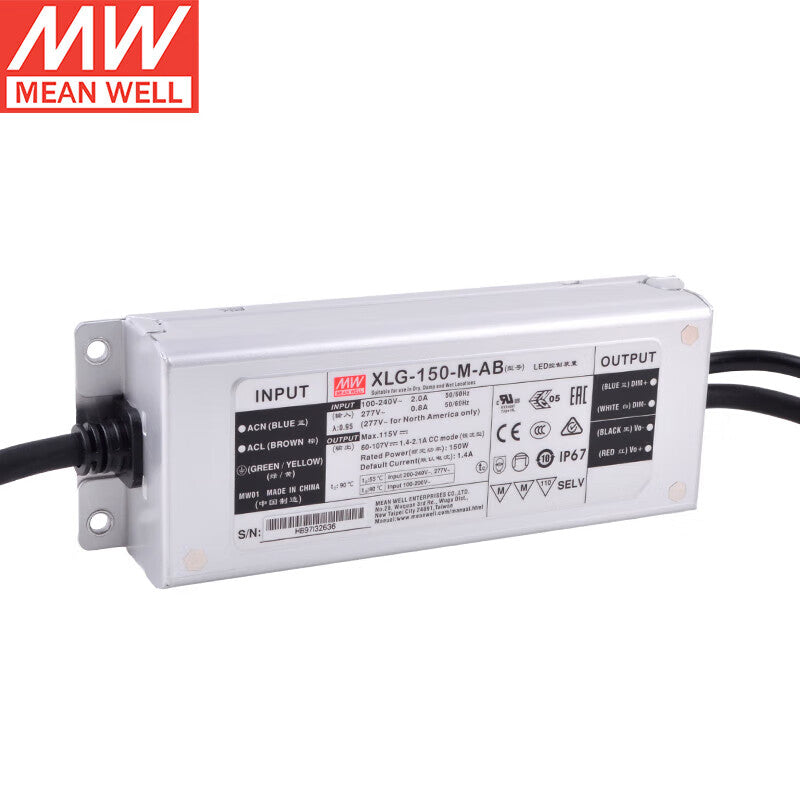
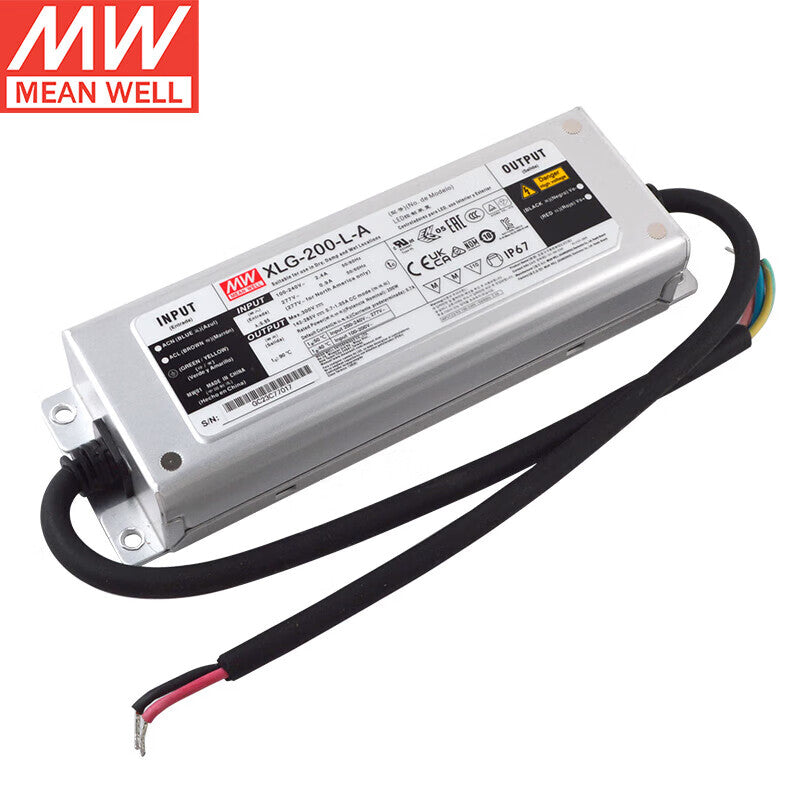
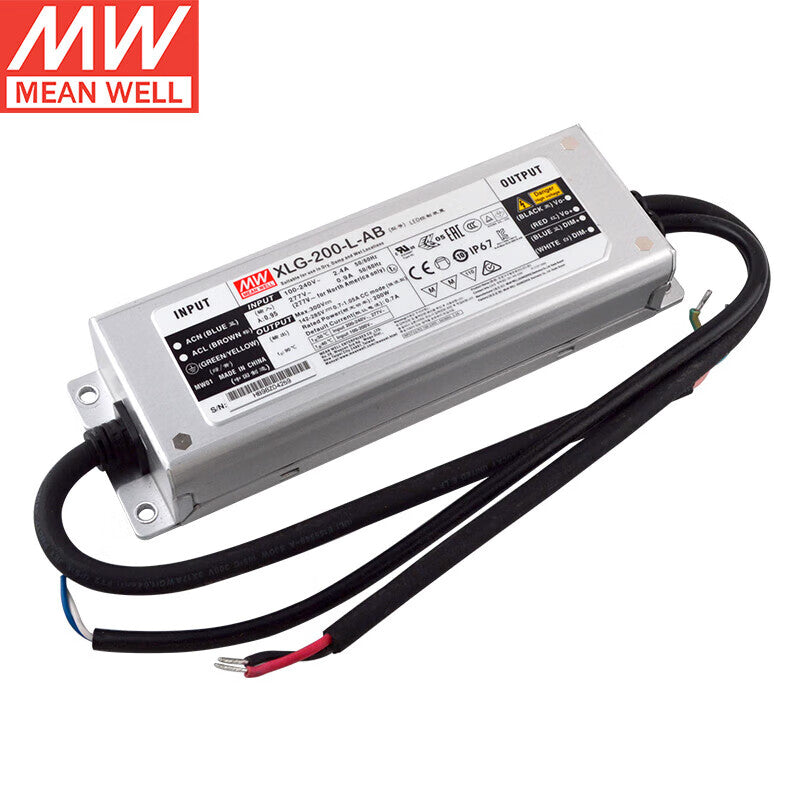
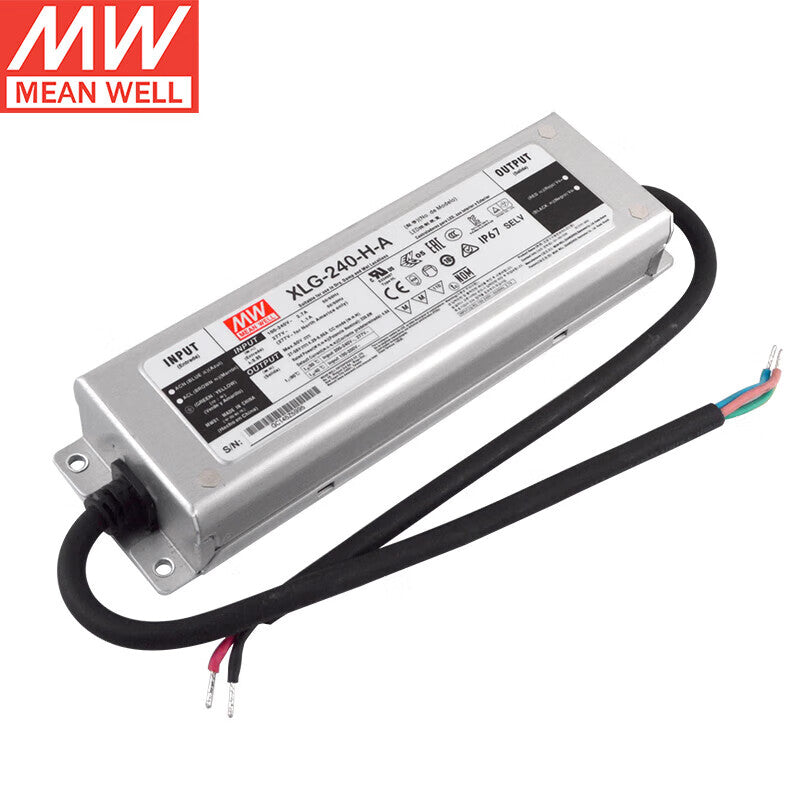
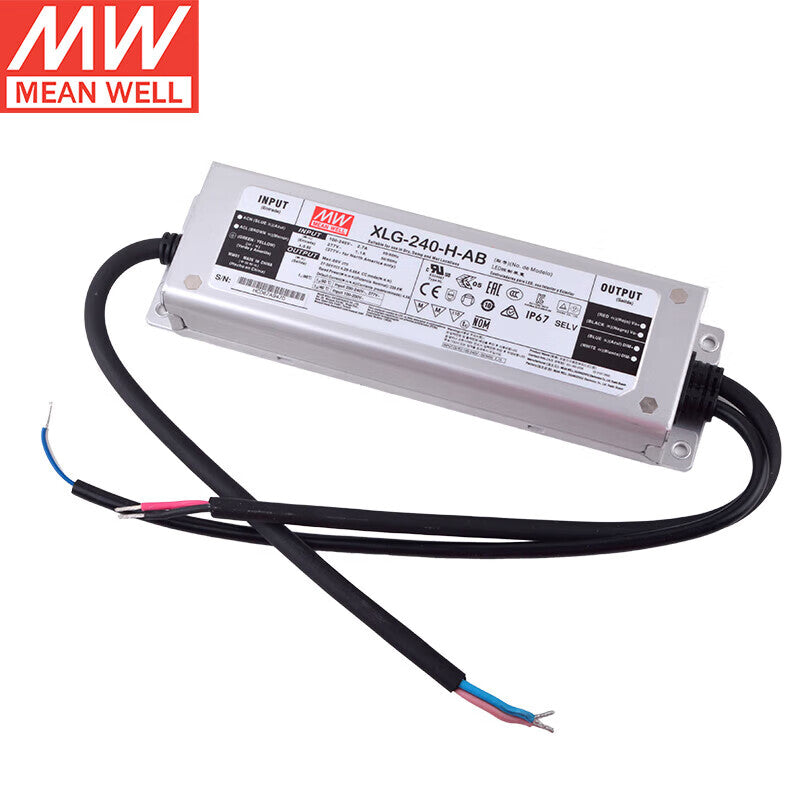


If you’re designing an electronic system or replacing a power supply, one critical decision you’ll face is whether to use an isolated or non-isolated power supply. This choice isn’t just technical jargon—it fundamentally affects the safety, performance, and compliance of your entire system.
Choosing the wrong type can lead to safety hazards, noise issues, or even device failure. Let’s break down what these terms really mean and when to use each type.
The Core Difference: Electrical Separation
The fundamental distinction lies in whether there’s a direct electrical connection between the input and output circuits.
Isolated Power Supplies
Imagine a power supply with a protective barrier inside—that’s isolation in action. These units incorporate a transformer (or similar isolation element) that transfers energy through magnetic coupling rather than direct electrical connection.
Key characteristics:
- Physical separation between input and output circuits
- No direct conductive path exists
- Typically provides high-voltage isolation (1kV to 4kV or more)
- Input and output grounds are separate
Non-Isolated Power Supplies
Think of these as a direct, regulated connection. The input and output share common ground references, with only semiconductor devices (like switching transistors) between them.
Key characteristics:
- Direct electrical connection between input and output
- Shared ground reference
- No high-voltage isolation barrier
- Typically simpler and more compact
Head-to-Head Comparison
| Feature | Isolated Power Supply | Non-Isolated Power Supply |
|---|---|---|
| Safety | High – protects users from input voltage | Low – output is referenced to input |
| Noise Immunity | Excellent – blocks ground loops and noise | Poor – noise can pass through |
| Multiple Outputs | Easy to create floating outputs | Difficult, all outputs share common ground |
| Size & Weight | Larger due to transformer | Smaller and lighter |
| Efficiency | Slightly lower (85-92%) due to transformer losses | Higher (90-96%) |
| Cost | Higher | Lower |
| Complexity | More complex | Simpler design |
| Touch Safety | Safe to touch output | Potentially dangerous |
When to Choose Which Type?
Choose ISOLATED Power Supplies When:
- Safety is paramount – Medical devices, consumer electronics, industrial controls
- You need noise isolation – Sensitive analog circuits, audio equipment, measurement systems
- Multiple voltage rails are required – Systems needing ±12V, +5V, +3.3V from one input
- High-voltage applications – Where input and output have large voltage differences
- Regulatory compliance demands it – Most safety standards require isolation for user-accessible circuits
- Ground loop prevention – When connecting equipment to different power sources
Choose NON-ISOLATED Power Supplies When:
- Space is extremely limited – Ultra-compact devices, wearables
- Cost is the primary concern – High-volume consumer products where every penny counts
- Efficiency is critical – Battery-powered devices needing maximum runtime
- Internal subsystems only – Powering internal circuits that aren’t user-accessible
- Weight matters – Portable or airborne applications
- Simple voltage step-down – When input and output share the same ground reference
Real-World Applications
Typical Isolated Power Supply Applications:
- Medical equipment (patient monitors, diagnostic tools)
- Industrial PLCs and controllers
- Telecom systems (needing 48V to lower voltage conversion)
- Laboratory/test equipment
- Consumer electronics with metal chassis
- Battery chargers (for user safety)
Typical Non-Isolated Power Supply Applications:
- Point-of-load regulators on PC motherboards
- LED lighting drivers (in protected fixtures)
- DC-DC conversion within sealed enclosures
- Automotive electronics (where vehicle chassis is common ground)
- Low-cost consumer adapters (for double-insulated devices)
- Internal voltage regulation in appliances
Important Technical Considerations
Isolation Ratings Matter
Not all isolation is created equal. Key specifications include:
- Working Voltage: Continuous voltage the isolation can withstand
- Test Voltage: Short-duration high voltage for safety testing (typically 2x working voltage + 1000V)
- Creepage & Clearance: Physical spacing requirements between conductors
- Insulation Resistance: How effectively the isolation barrier blocks current
Regulatory Implications
- Isolated supplies typically need certification to standards like IEC/UL 60950-1 (IT equipment) or 60601-1 (medical)
- Non-isolated supplies often can’t be used in user-accessible applications under most safety standards
- Double insulation strategies can sometimes allow non-isolated designs in consumer products
The Grey Area: “Functional Isolation”
Some power supplies offer what’s called “functional isolation”—enough separation to allow the circuit to work properly, but not enough for user safety. These occupy a middle ground and require careful evaluation against safety requirements.
Decision Checklist
Use this quick guide for your next project:
Ask these questions:
- Will users touch any part of the powered circuit? → If YES, choose ISOLATED
- Is the device plugged into mains power? → If YES, strongly consider ISOLATED
- Does the system connect to other equipment (PCs, monitors, etc.)? → If YES, consider ISOLATED to prevent ground loops
- Are you measuring small signals (microvolts/milliamps)? → If YES, choose ISOLATED for noise immunity
- Is every cubic millimeter and gram critical? → If YES, evaluate if NON-ISOLATED is safe enough
- Is this for automotive or battery-only use? → NON-ISOLATED may be acceptable
- What do safety standards for your product require? → Check mandatory isolation requirements
The Bottom Line
Isolation is primarily about safety and noise immunity, while non-isolated designs are about efficiency and compactness.
Most applications that connect to AC mains or involve user contact require isolated supplies. Non-isolated designs are generally reserved for completely enclosed systems or where the entire device has other means of providing safety isolation.
When in doubt—especially for line-powered devices—choose isolation. The additional cost and size are usually worth the safety benefits and design flexibility. For internal sub-circuits in battery-powered devices, non-isolated converters often make perfect sense.
Always consult relevant safety standards and consider conducting a hazard analysis early in your design process. The right choice depends not just on technical specifications, but on your specific application, regulatory environment, and user safety requirements.
Need help with your specific application? Our technical team can help you determine the best power supply approach for your project. [Contact us] for personalized guidance.

