



When selecting a power supply for your electronic project or product, one of the most fundamental choices you’ll make is between a linear power supply and a switching power supply. Each has distinct advantages, limitations, and ideal applications. Choosing the wrong type can lead to inefficiency, overheating, noise interference, or unnecessary cost.
This guide breaks down the key differences, helping you make an informed decision based on your specific needs.
How They Work: Two Different Philosophies
Linear Power Supplies: The “Analog” Approach
Linear power supplies operate like a smart, continuously adjustable resistor. They step down AC voltage (from the wall outlet) through a transformer, then rectify it to DC, and finally use a linear regulator to “burn off” excess voltage as heat to deliver a clean, stable output.
Think of it like using a pressure regulator on a water hose: it provides smooth, steady flow by dissipating excess energy.
Switching Power Supplies: The “Digital” Approach
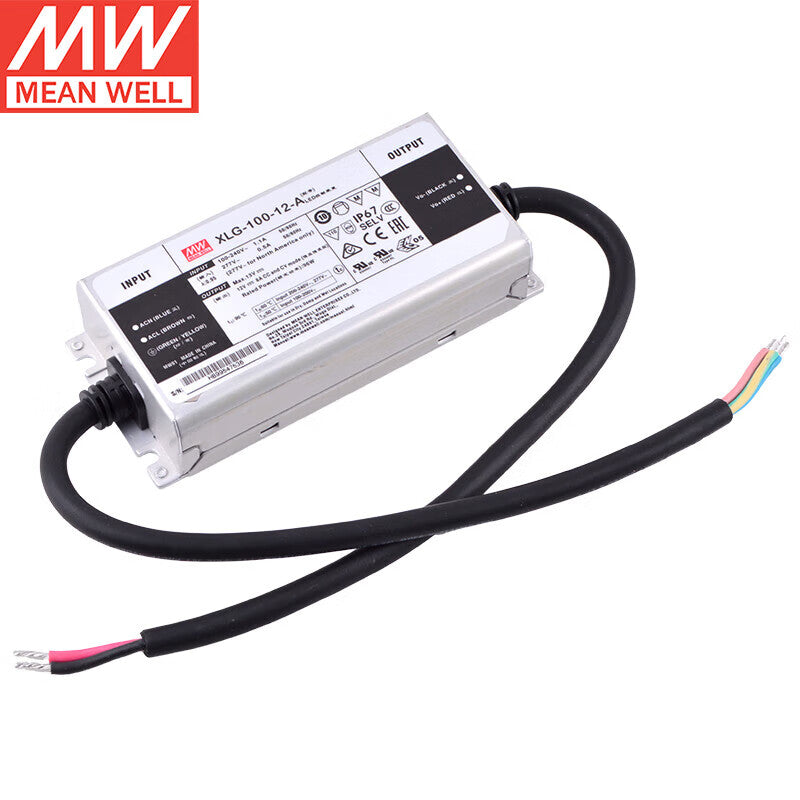
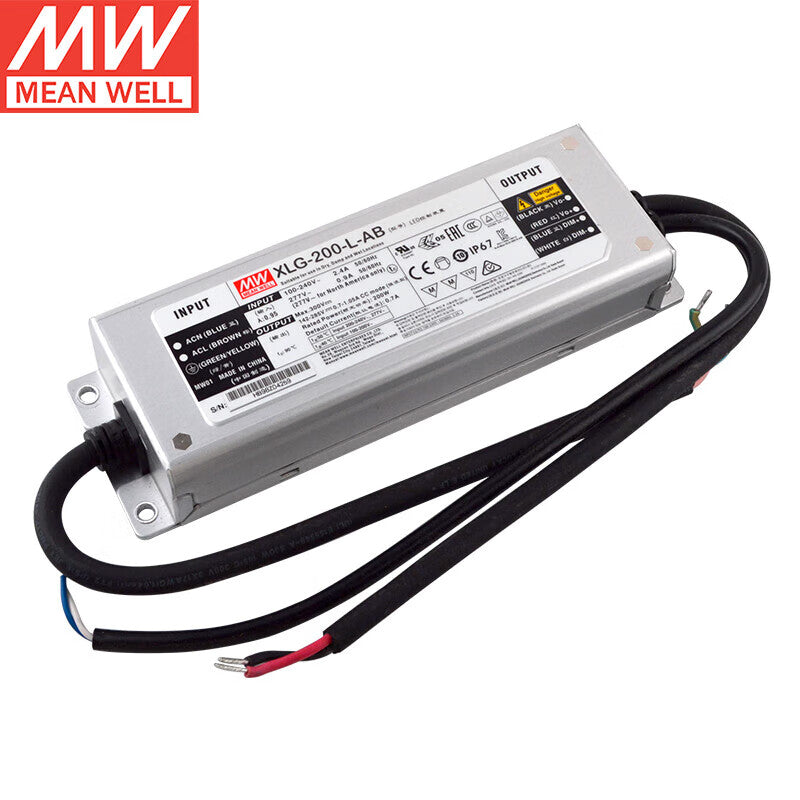
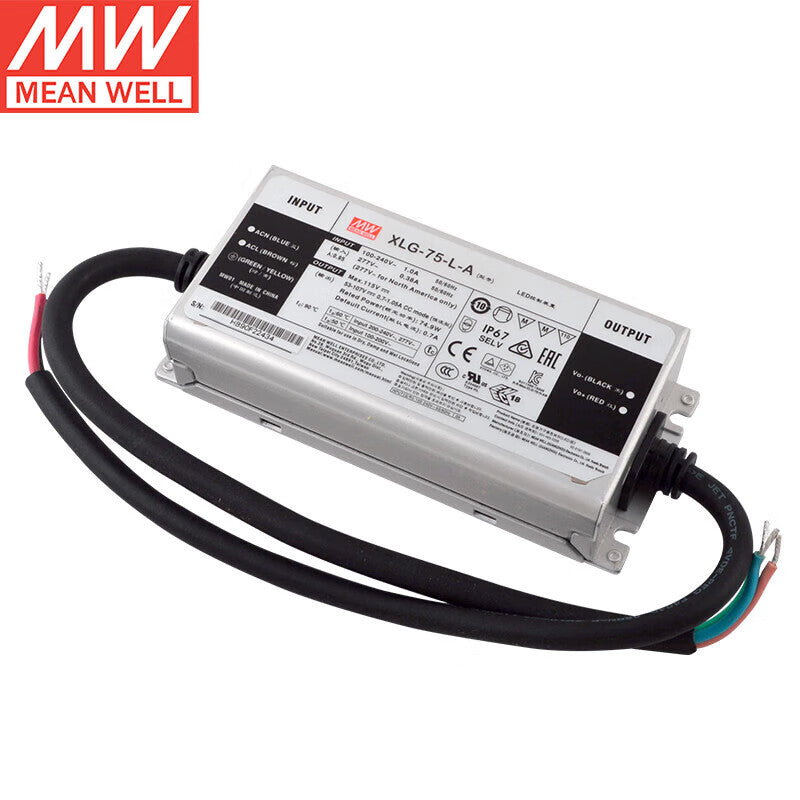
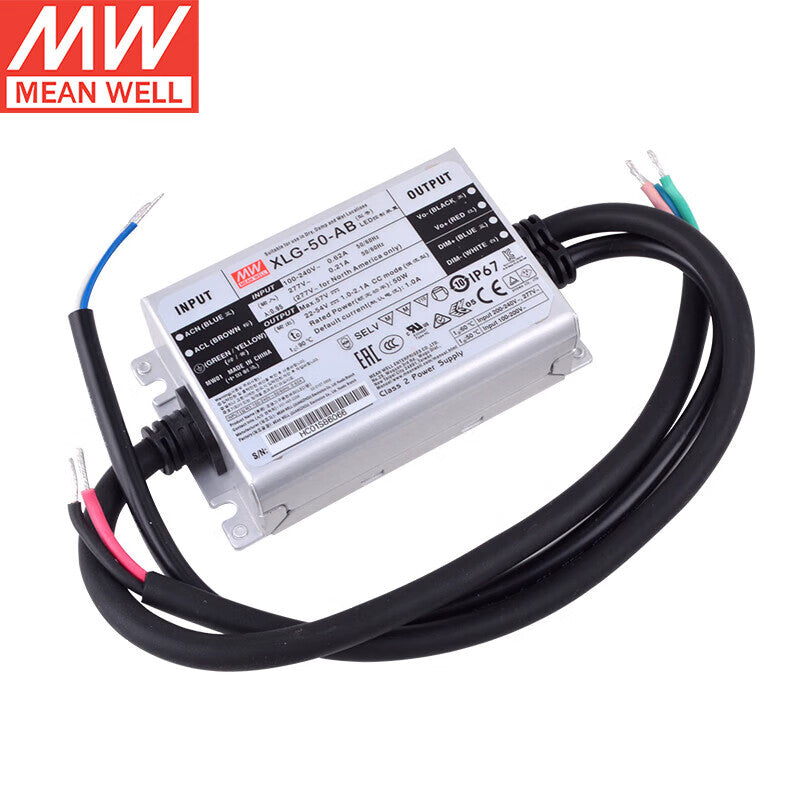
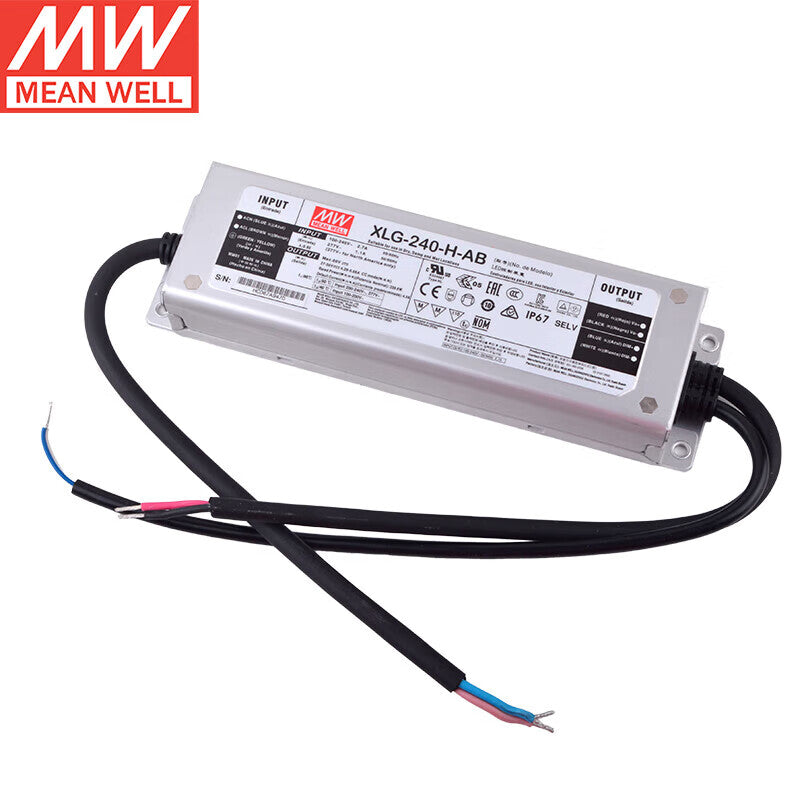
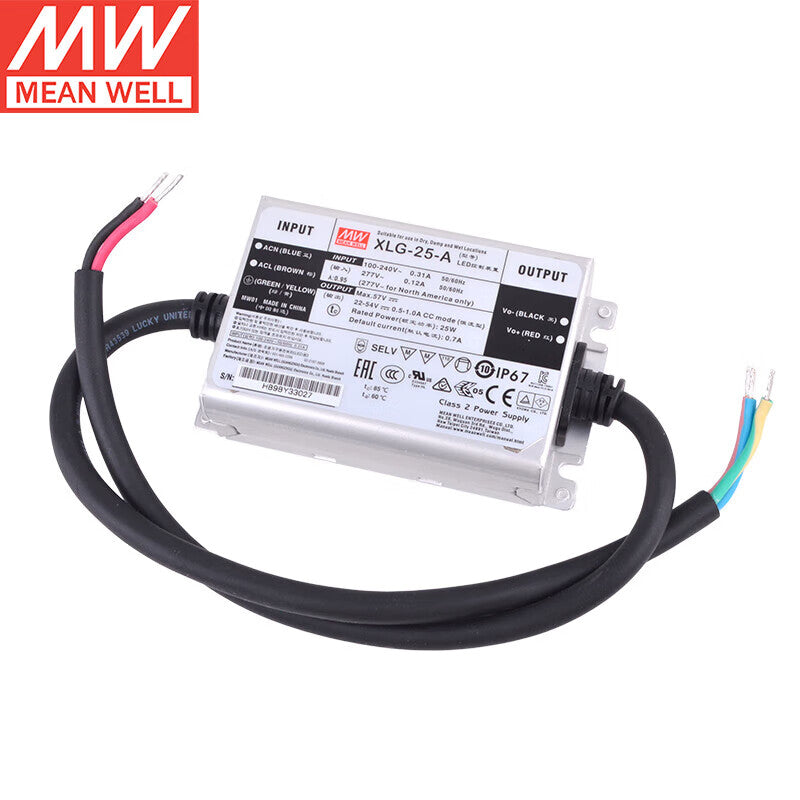
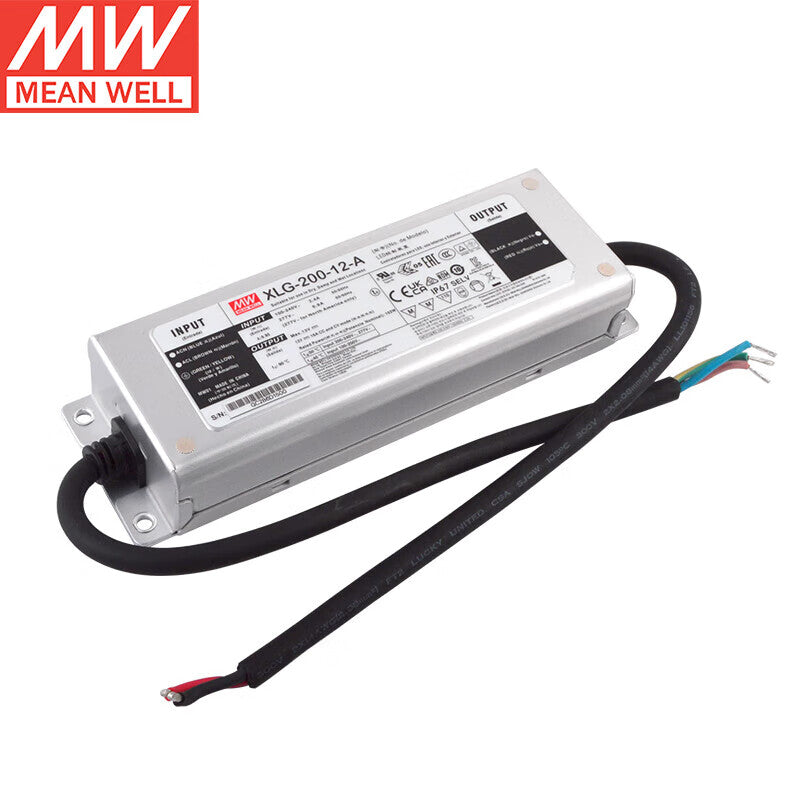
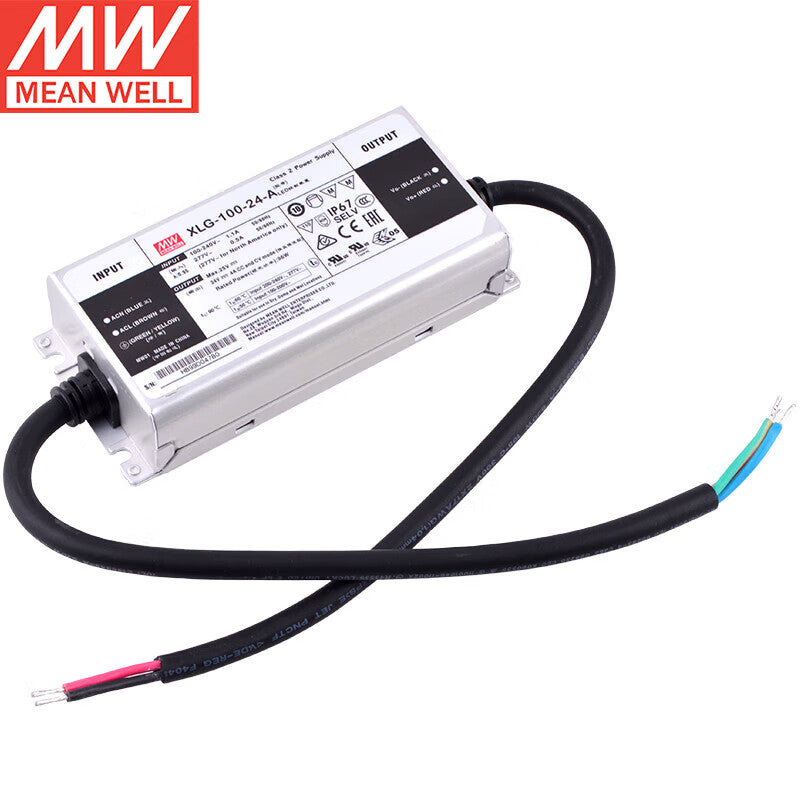
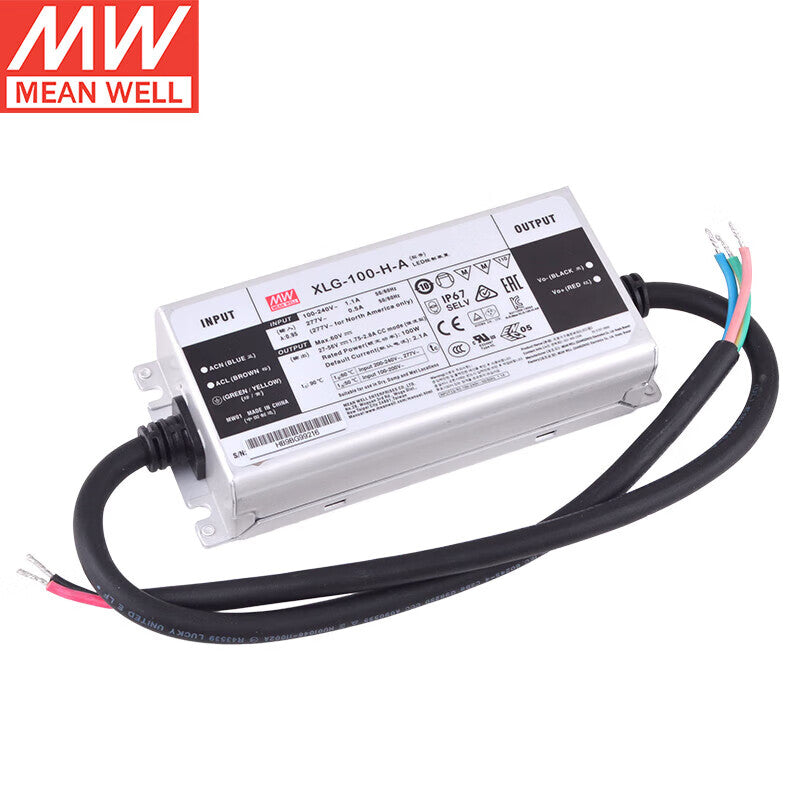
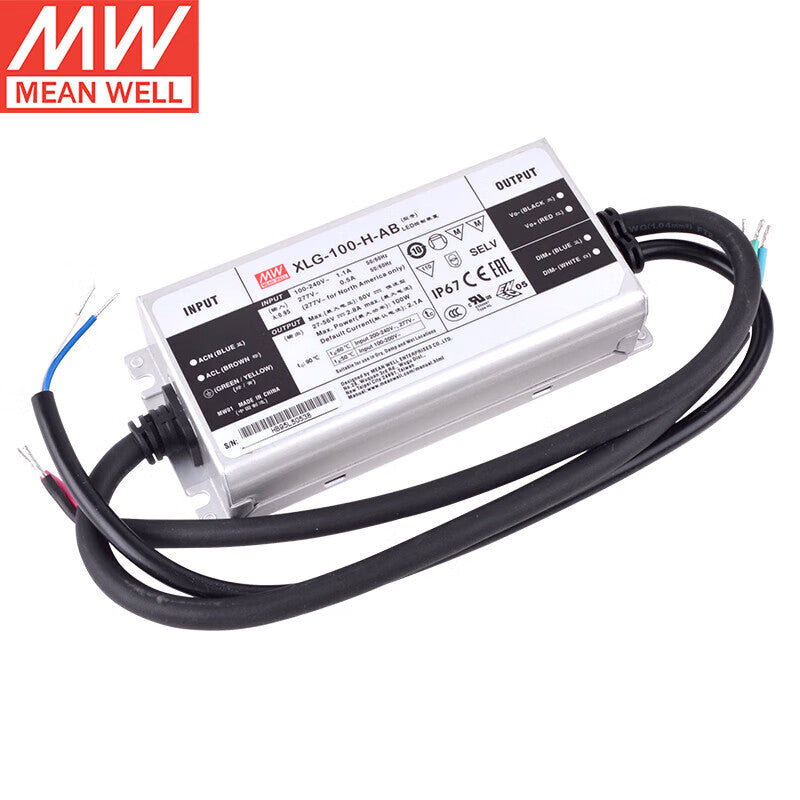
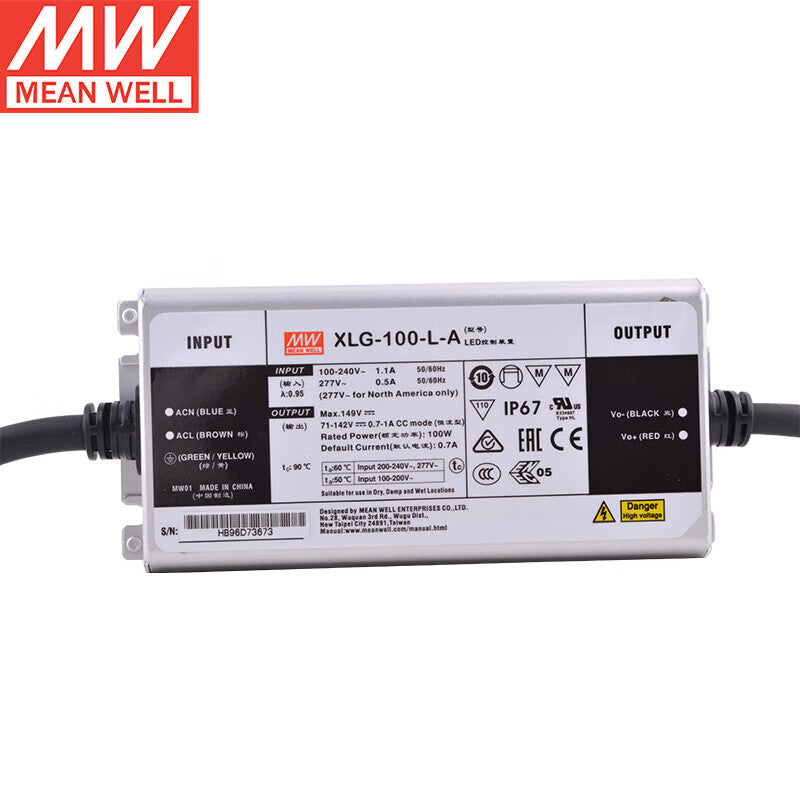
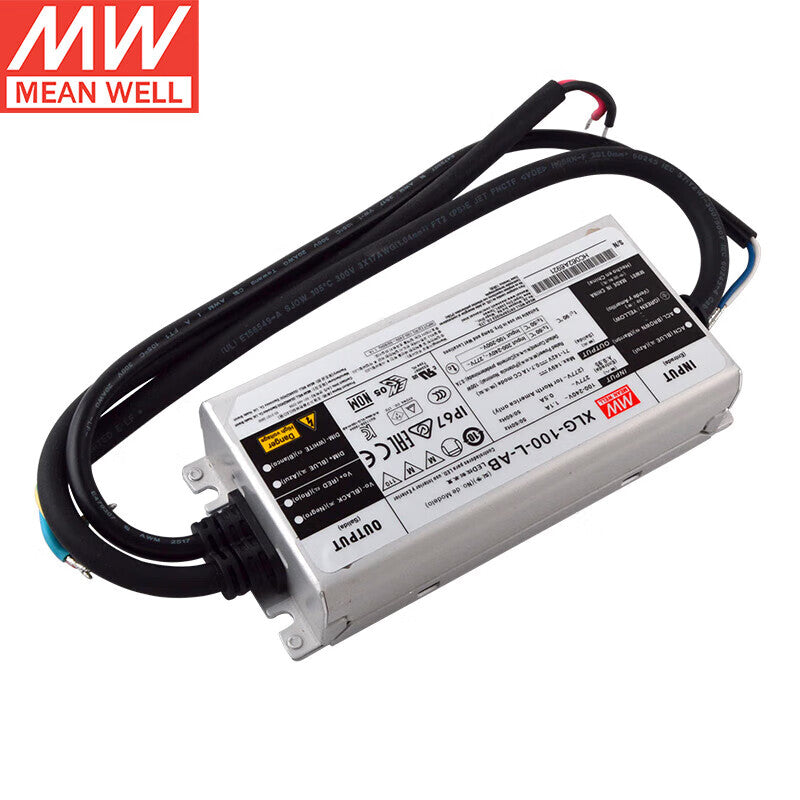
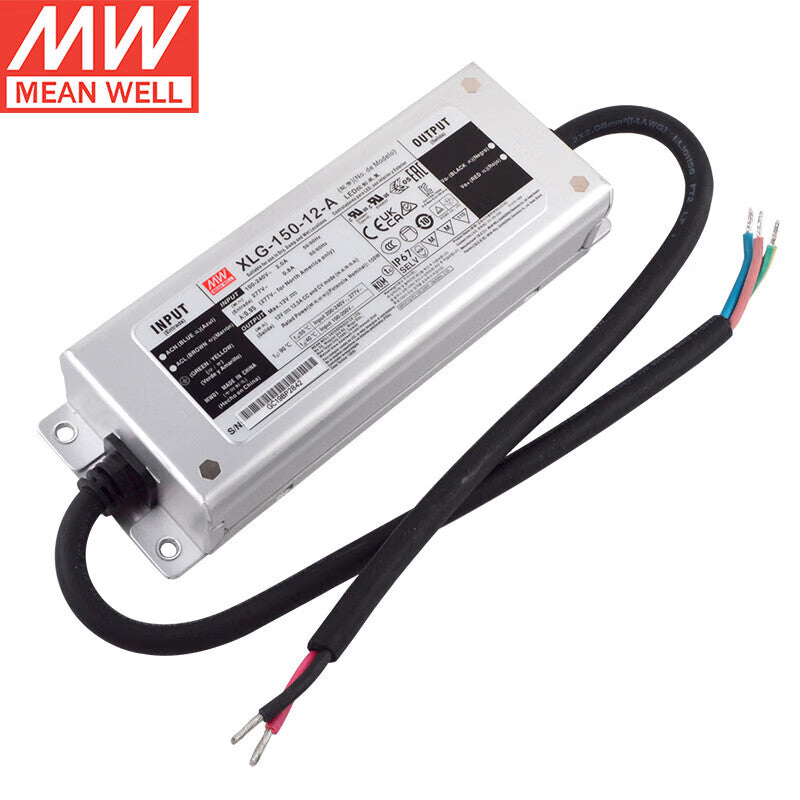
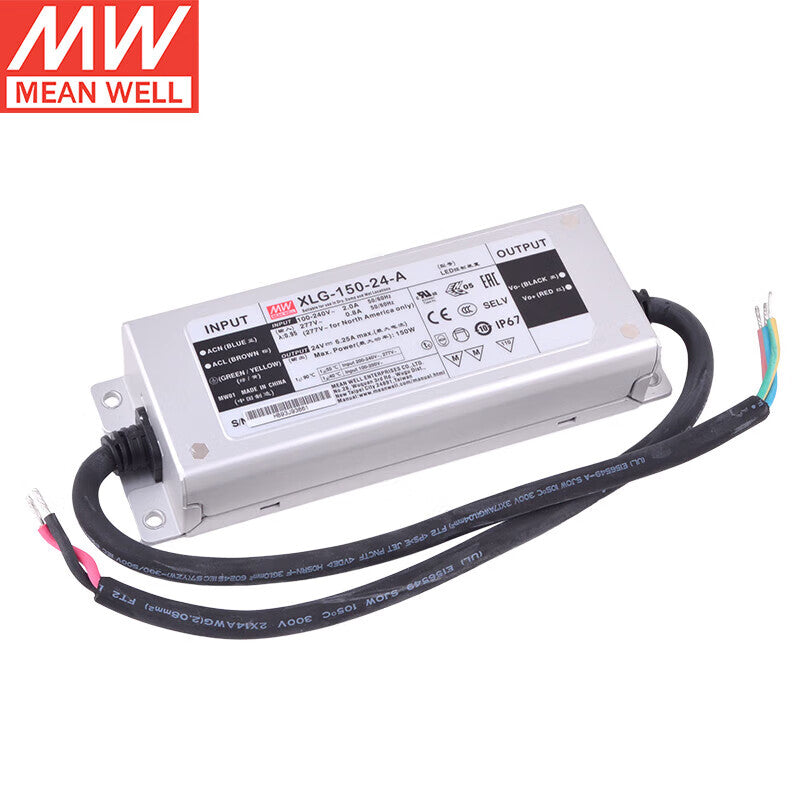
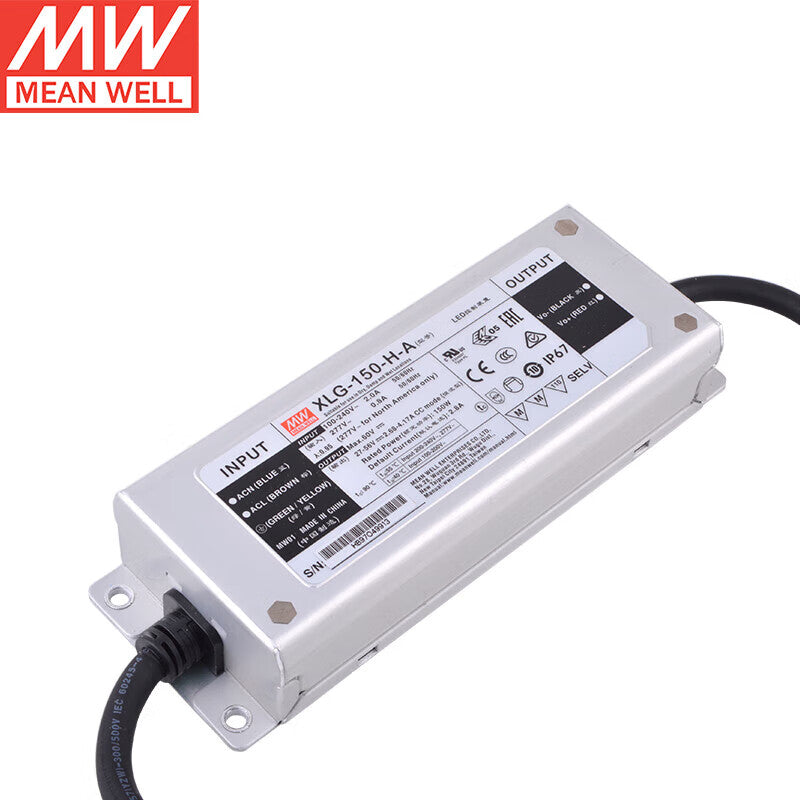
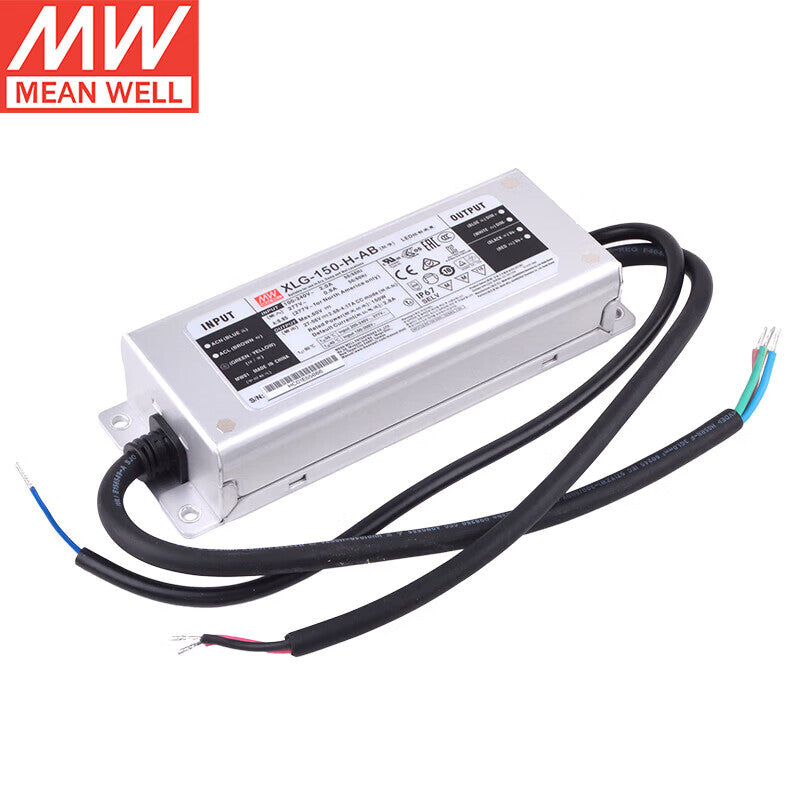
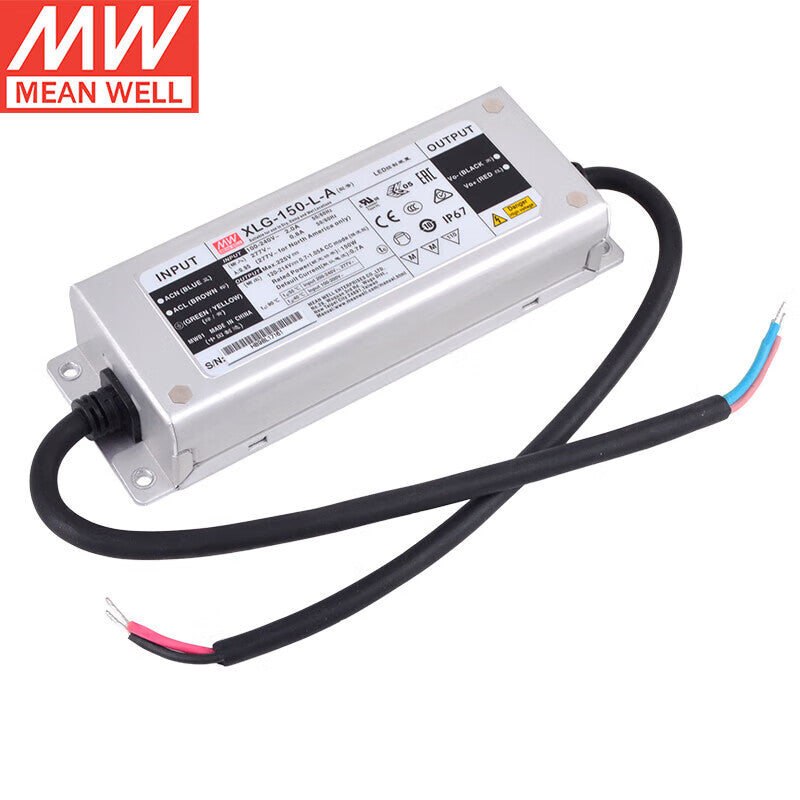
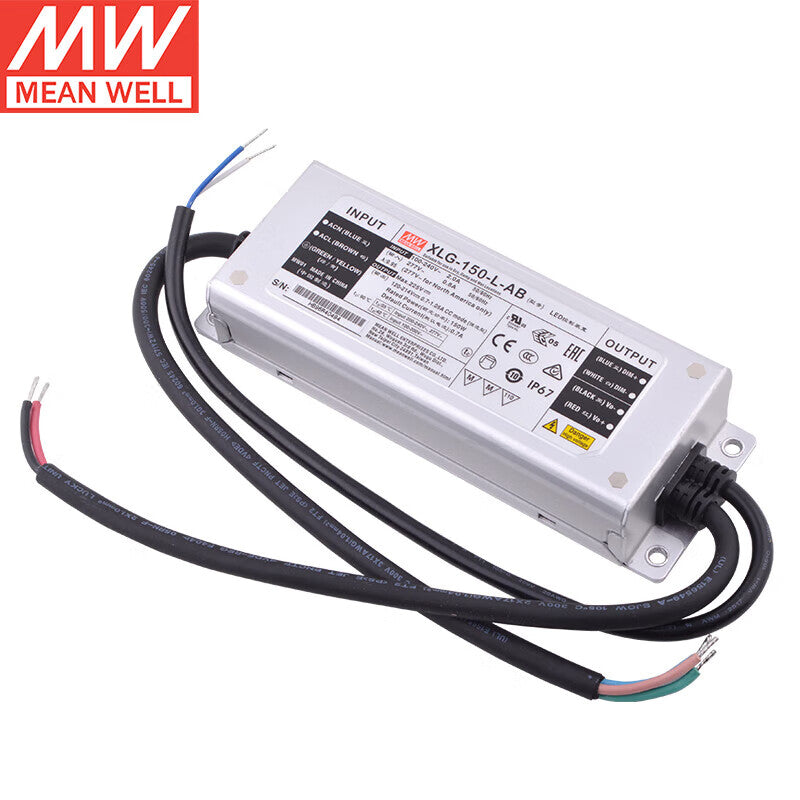
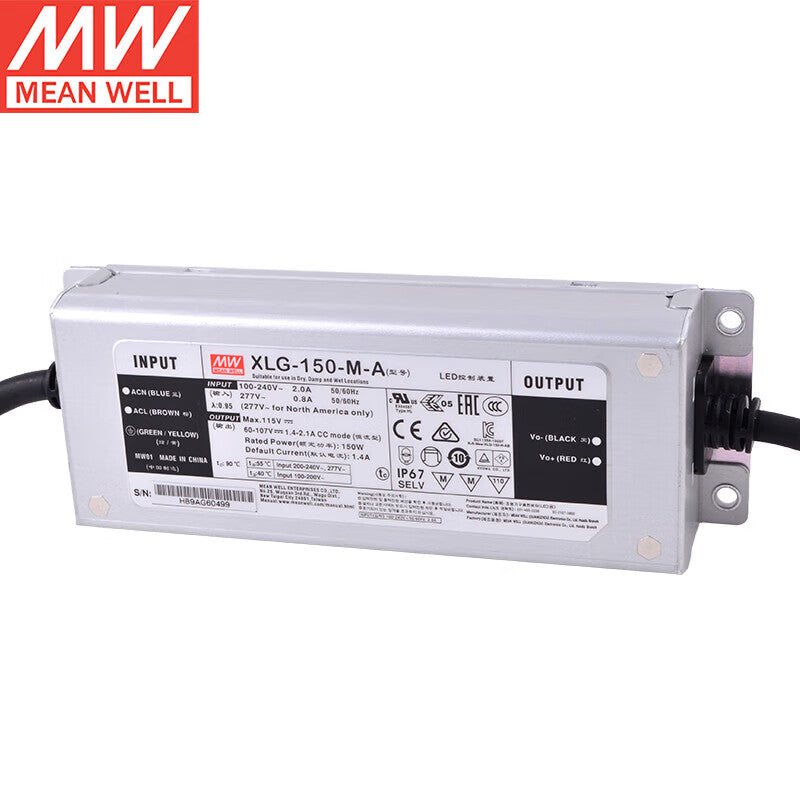
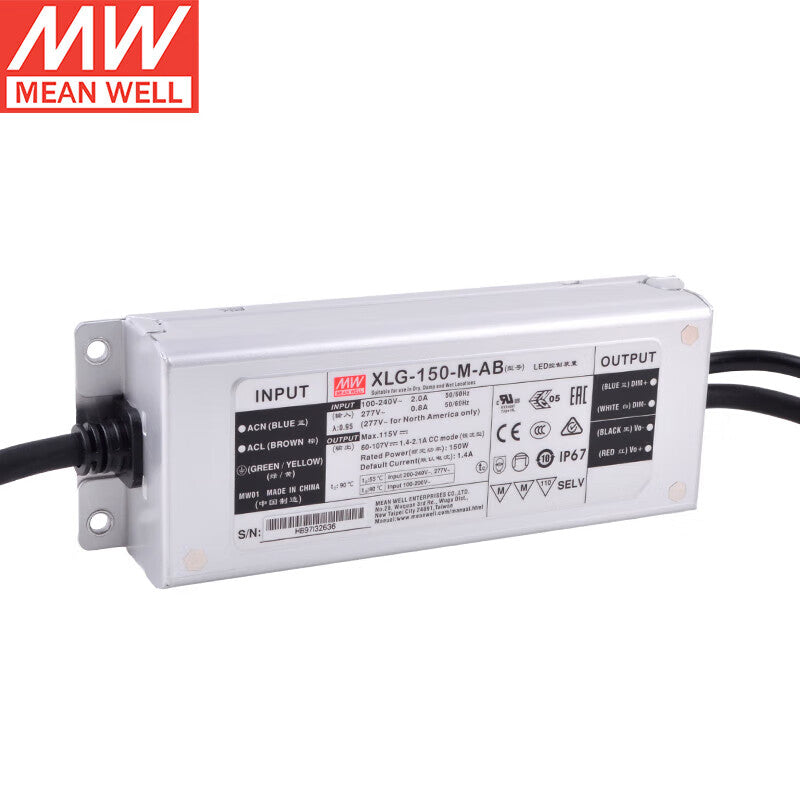
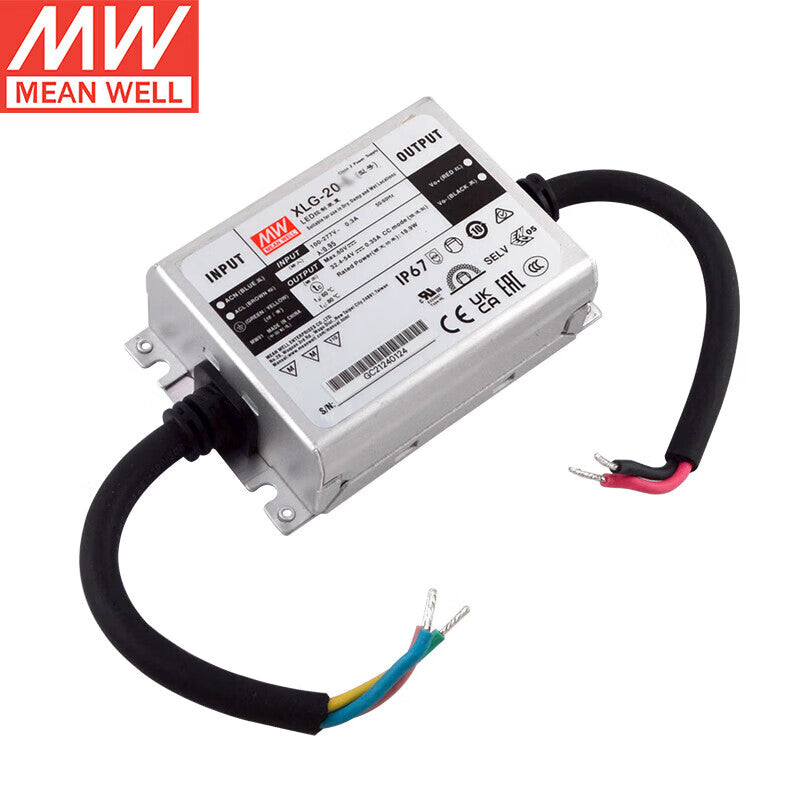
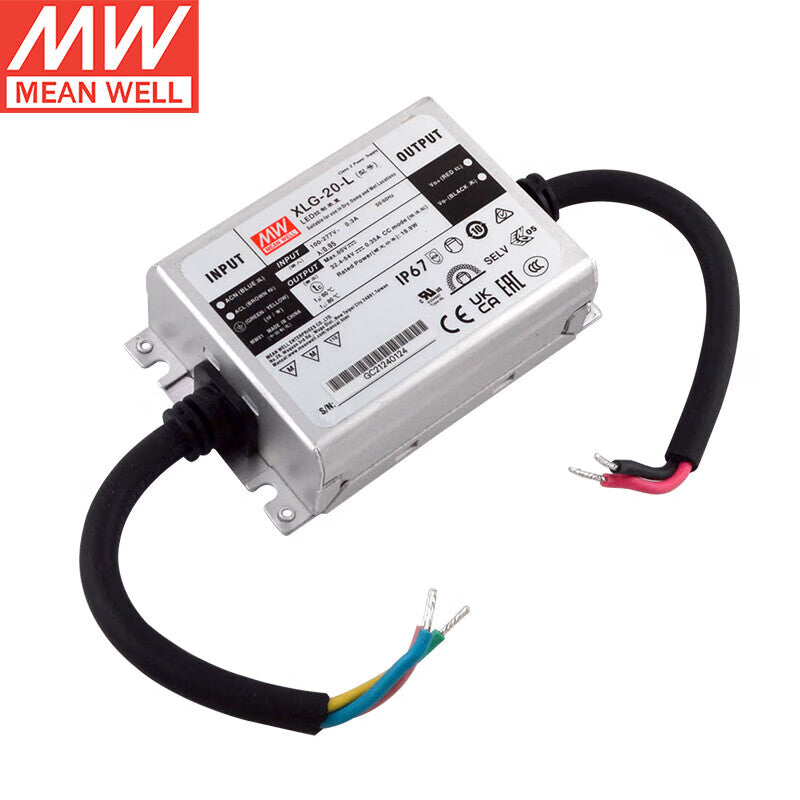
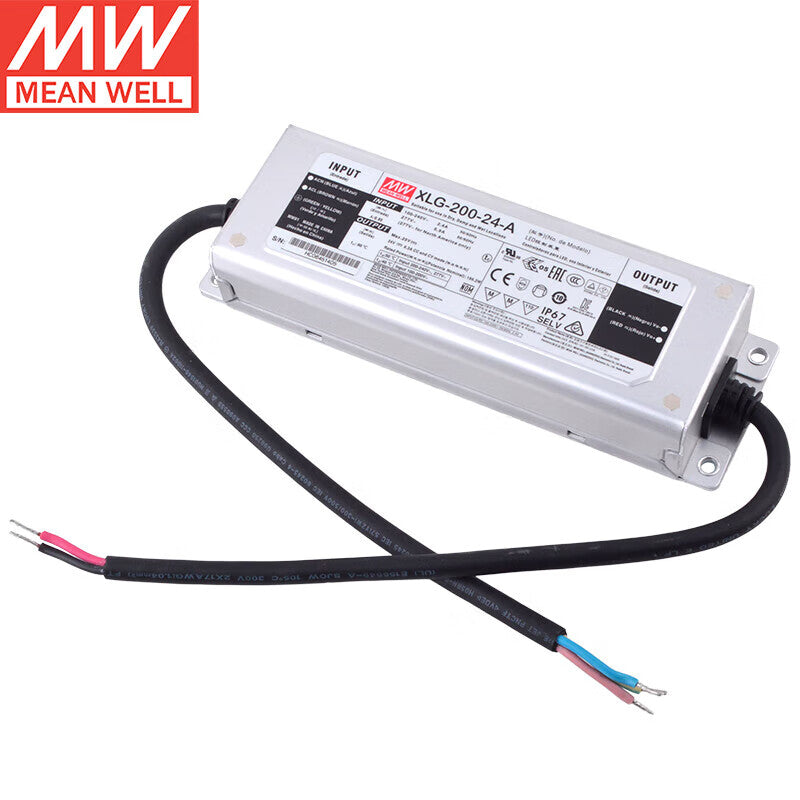
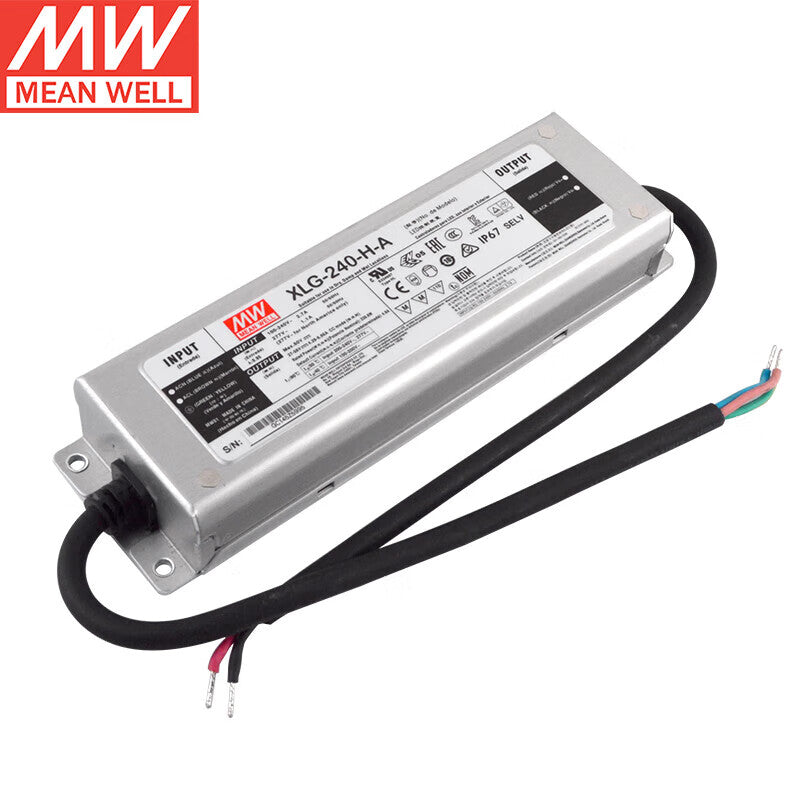
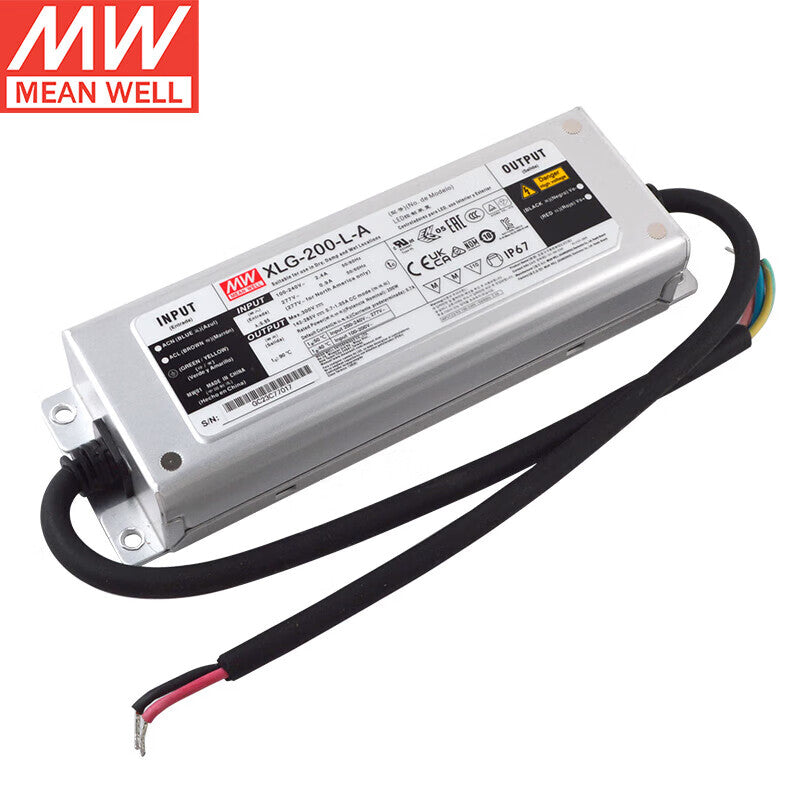
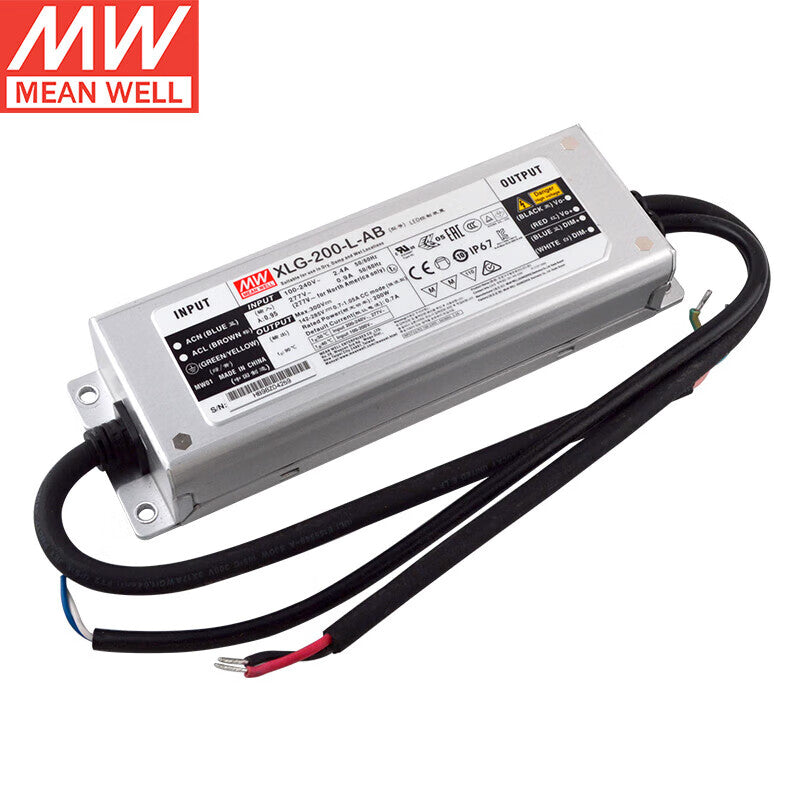
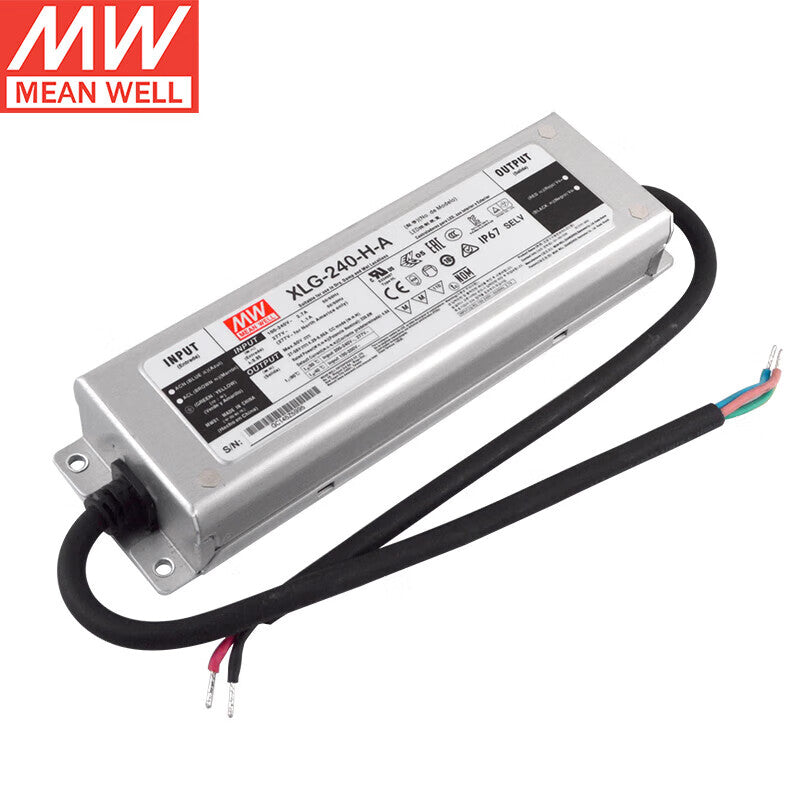
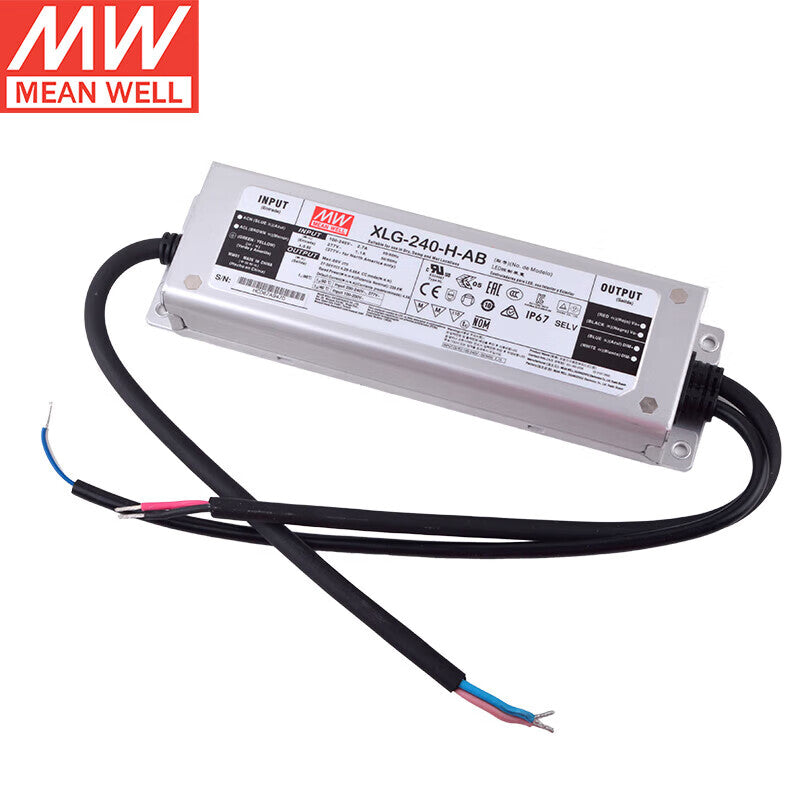
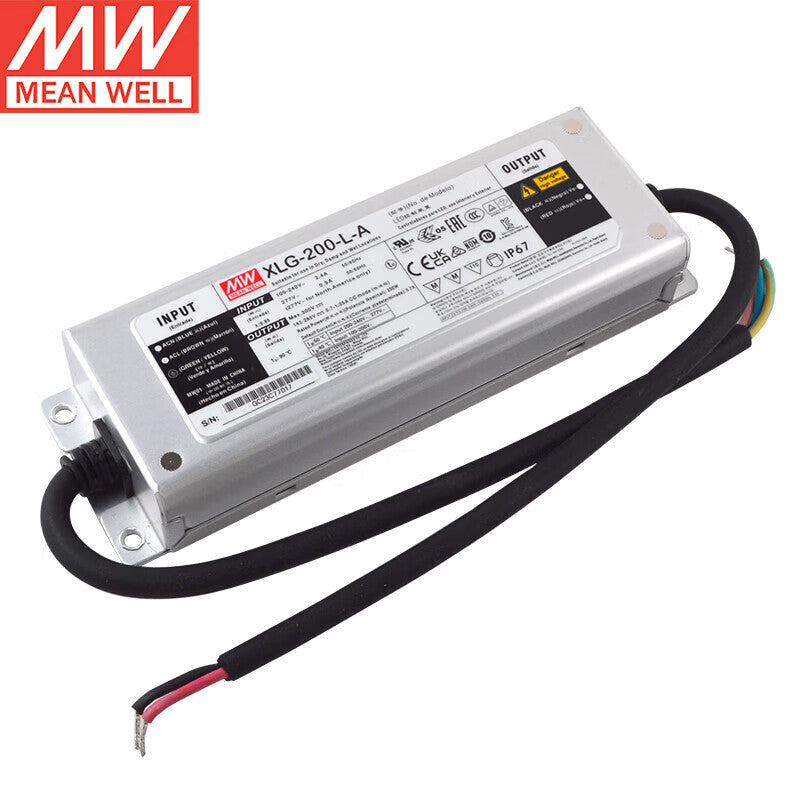
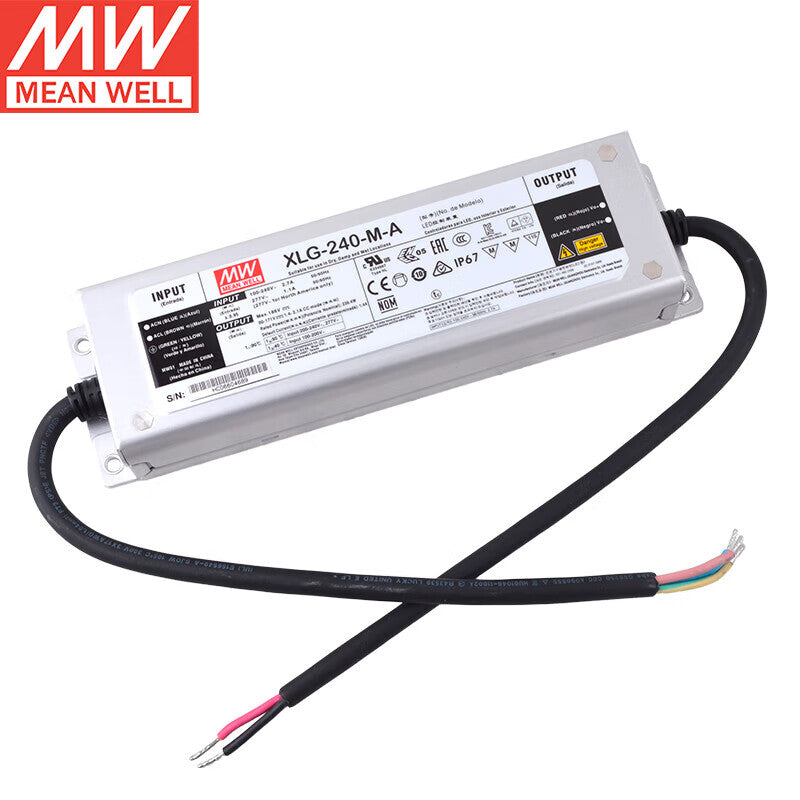
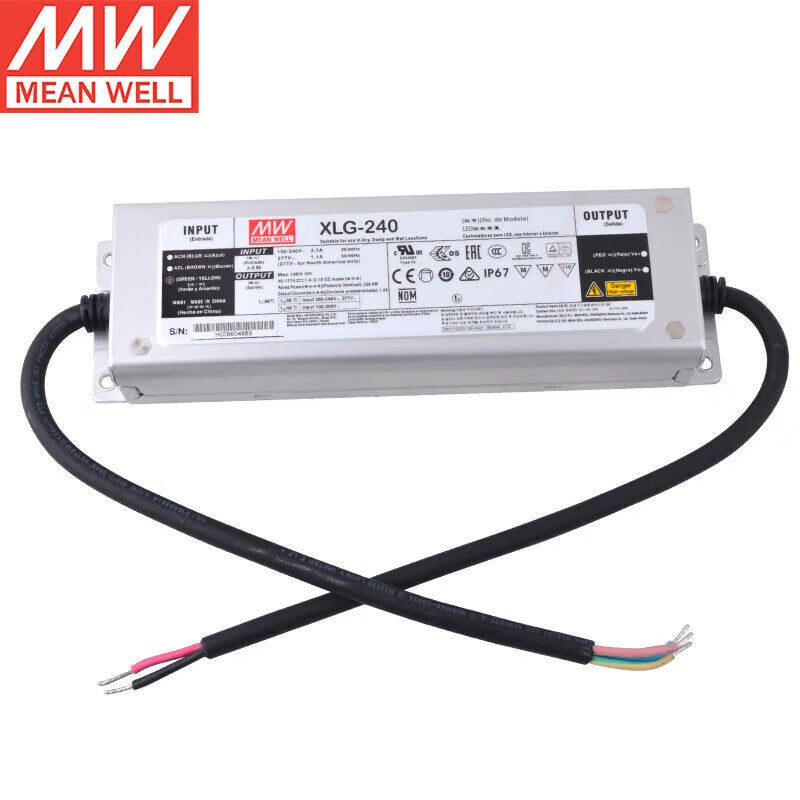
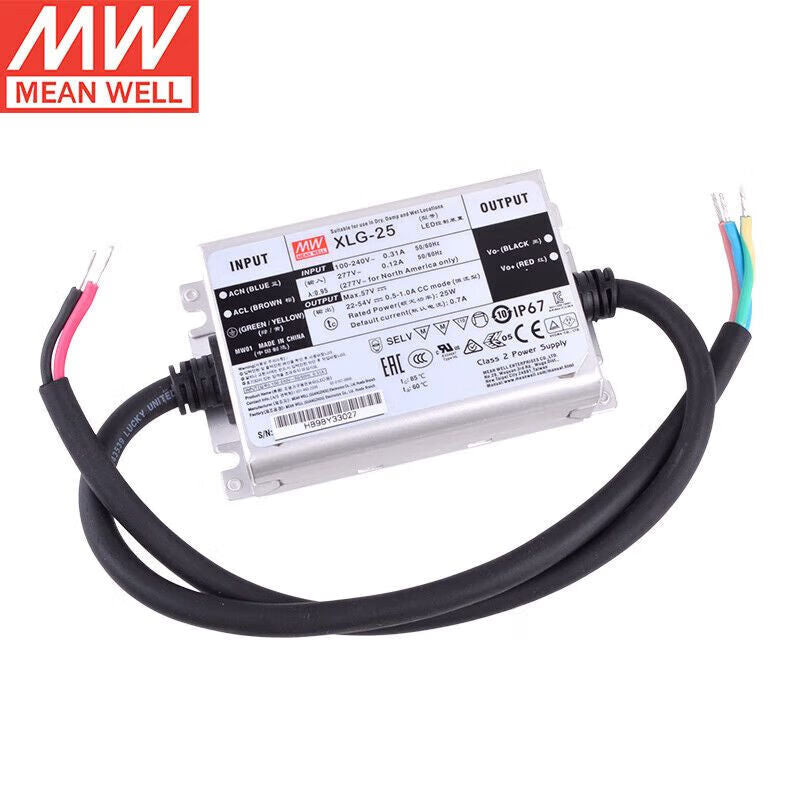
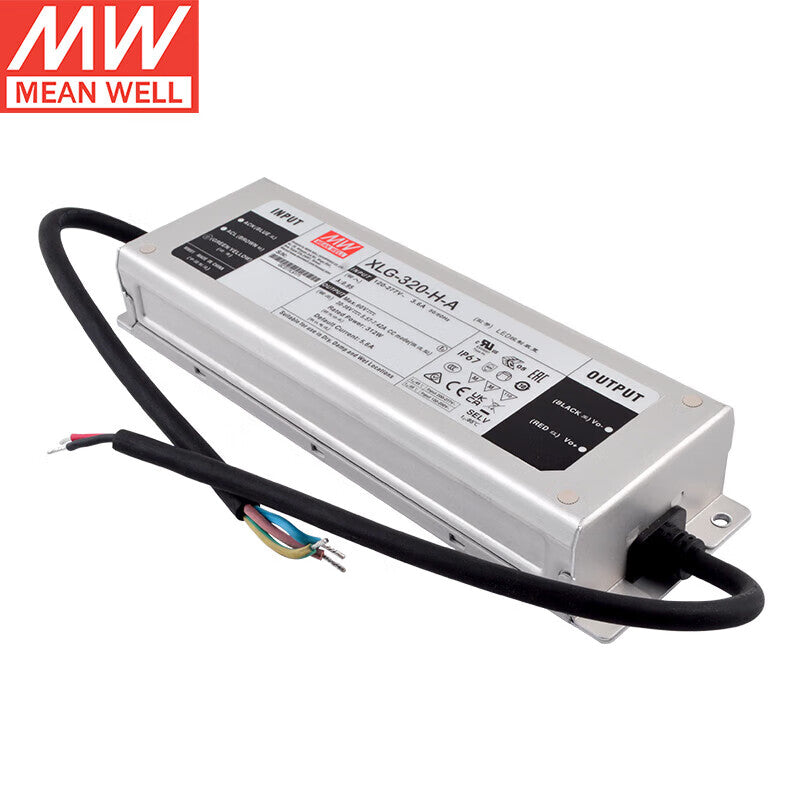
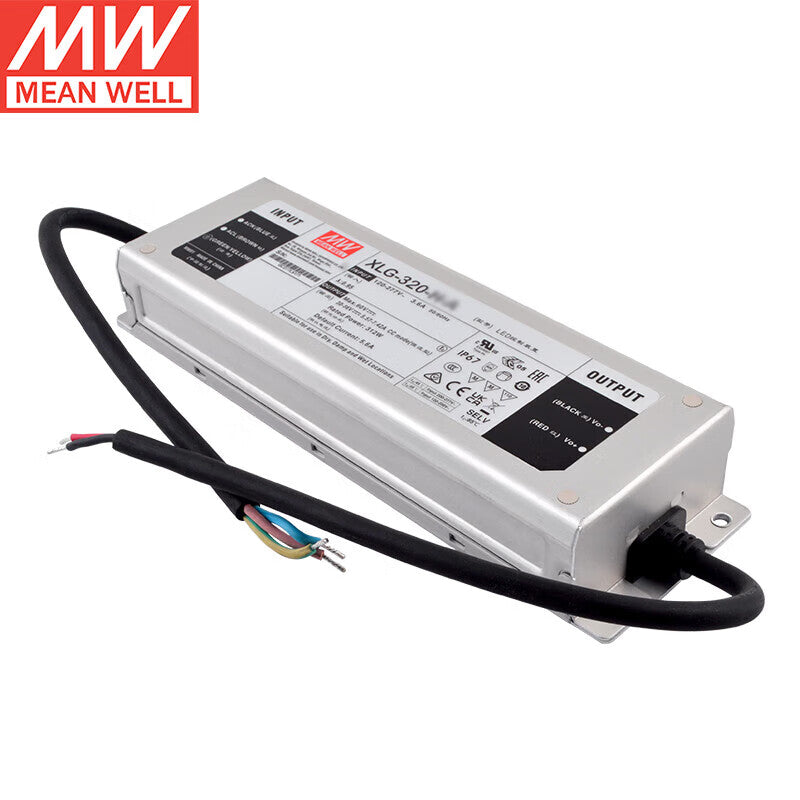
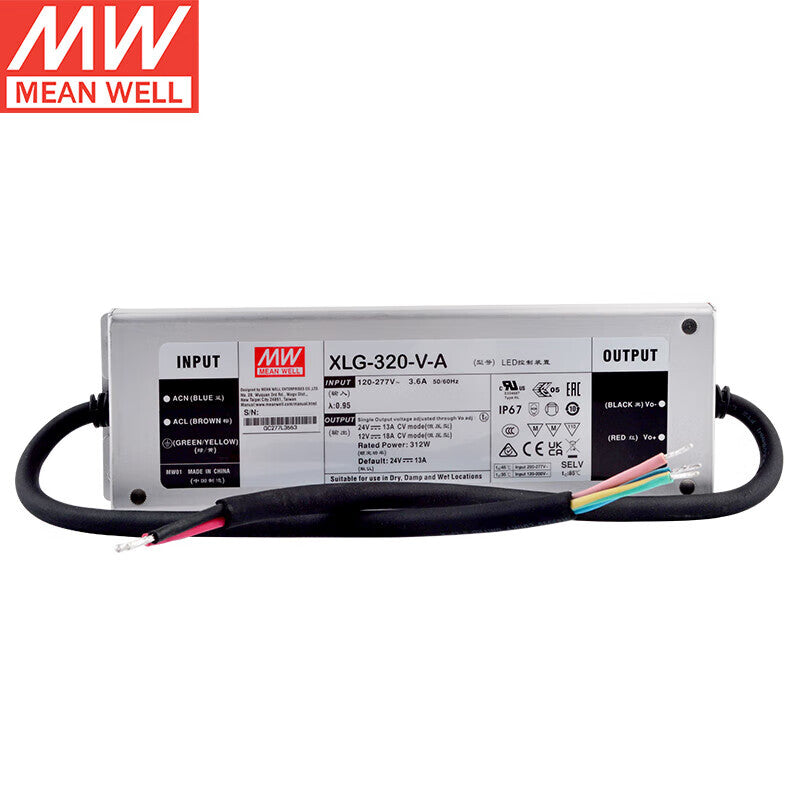
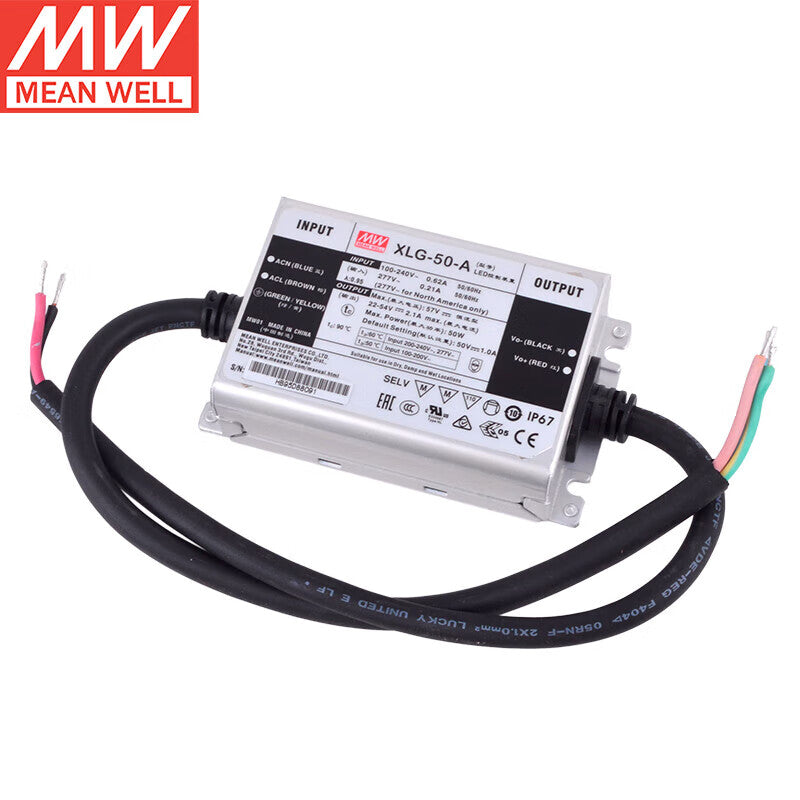
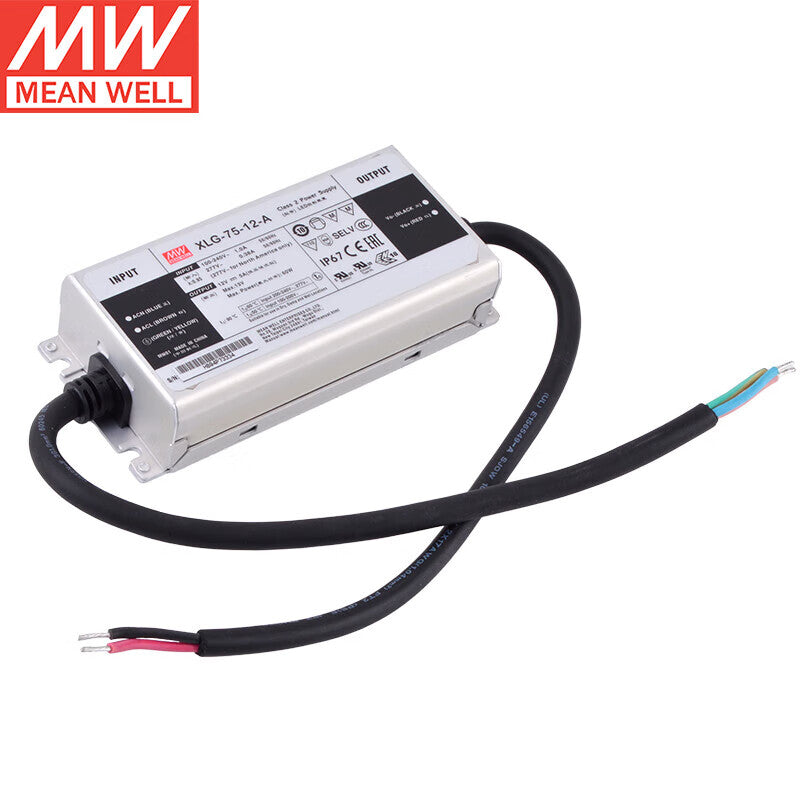
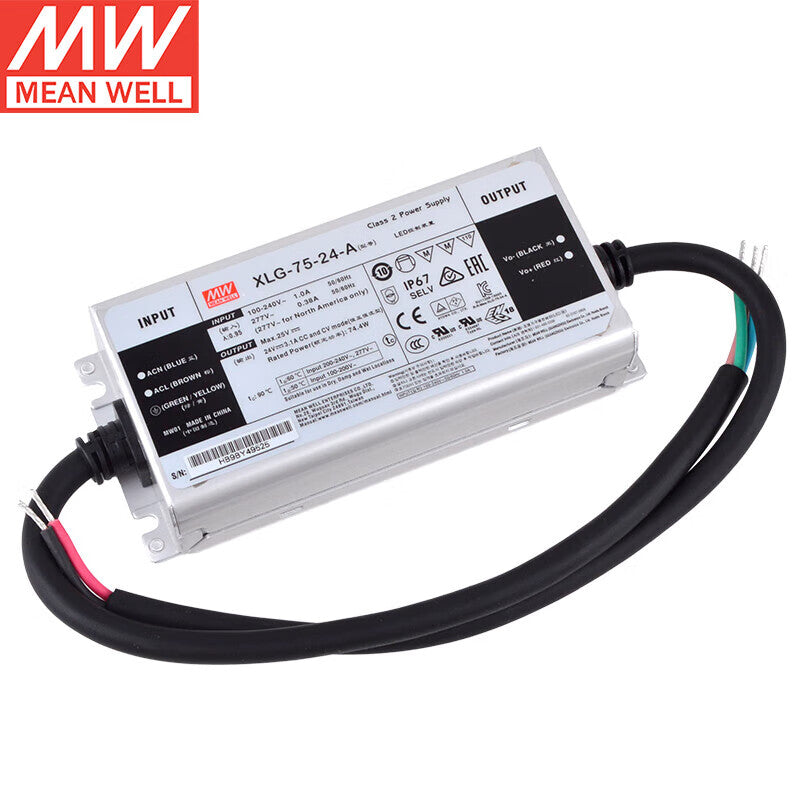
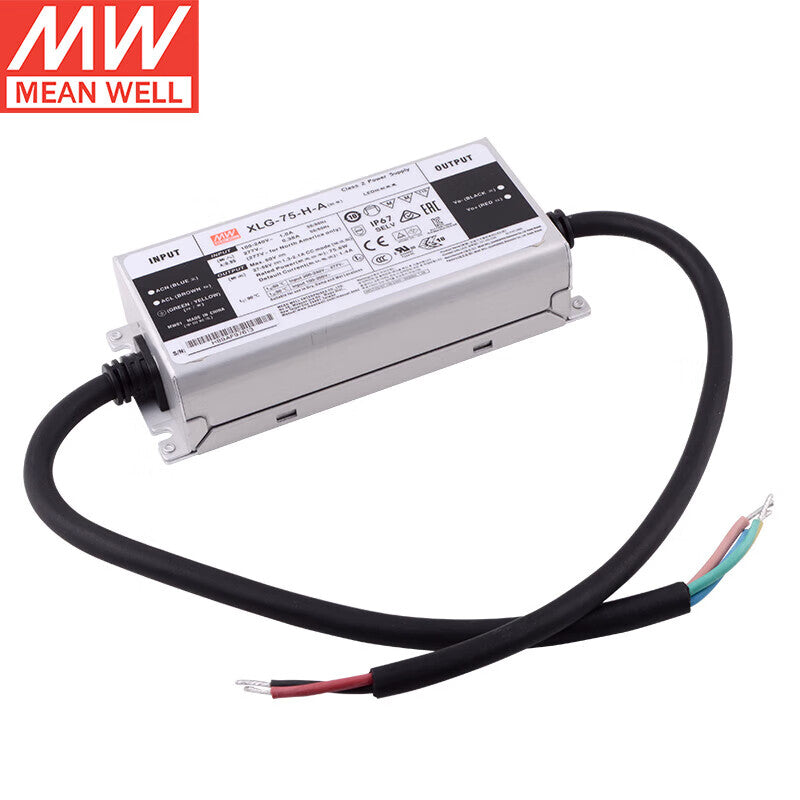
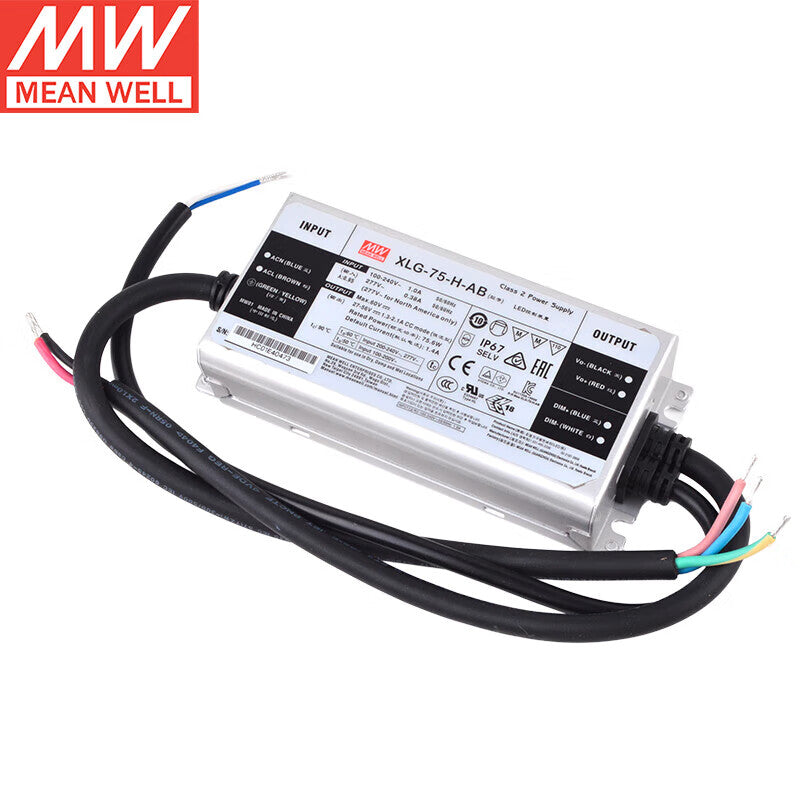
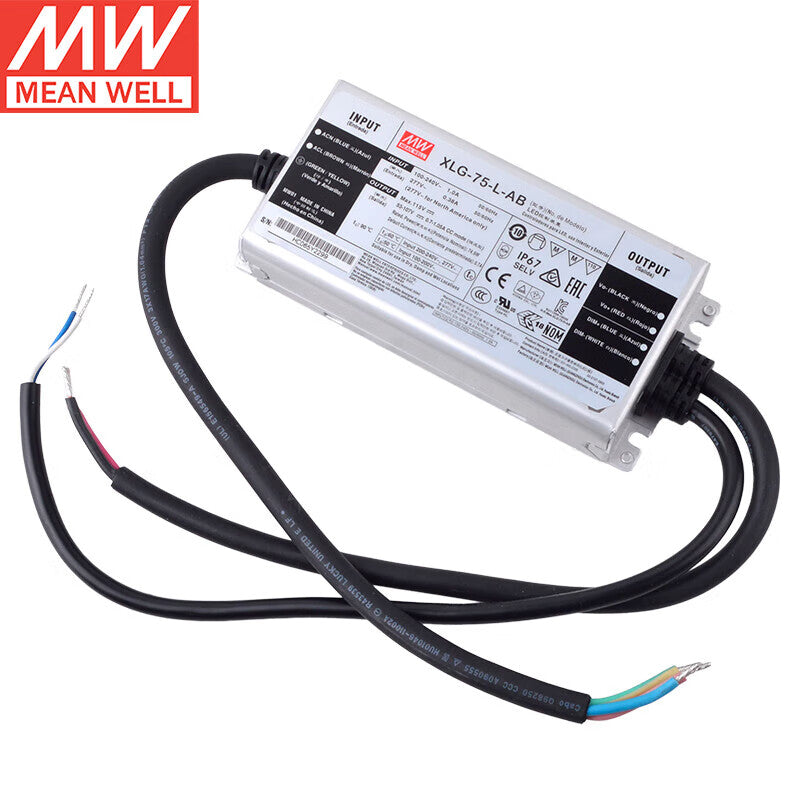
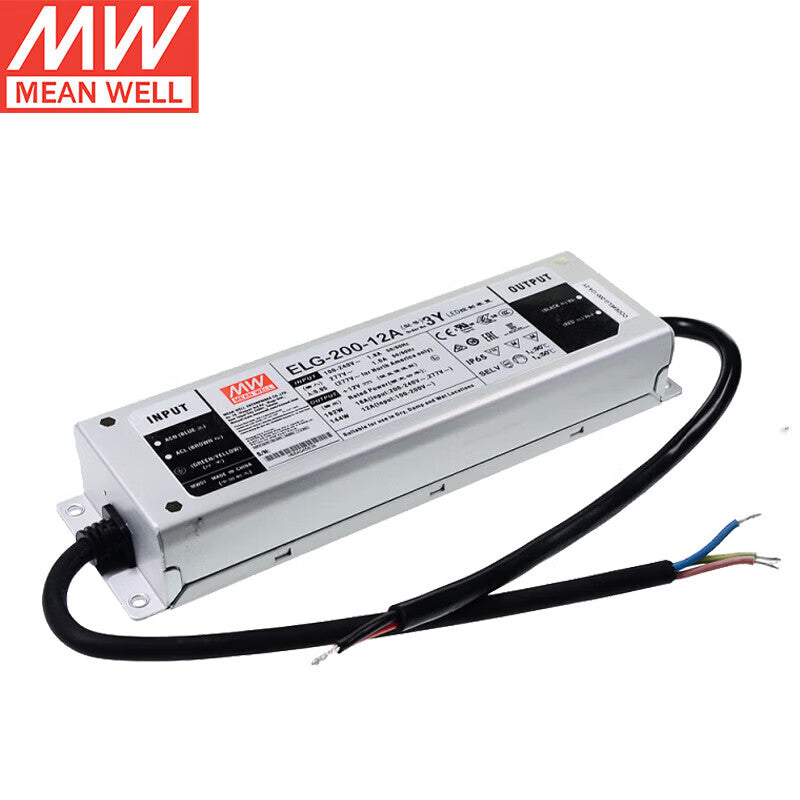
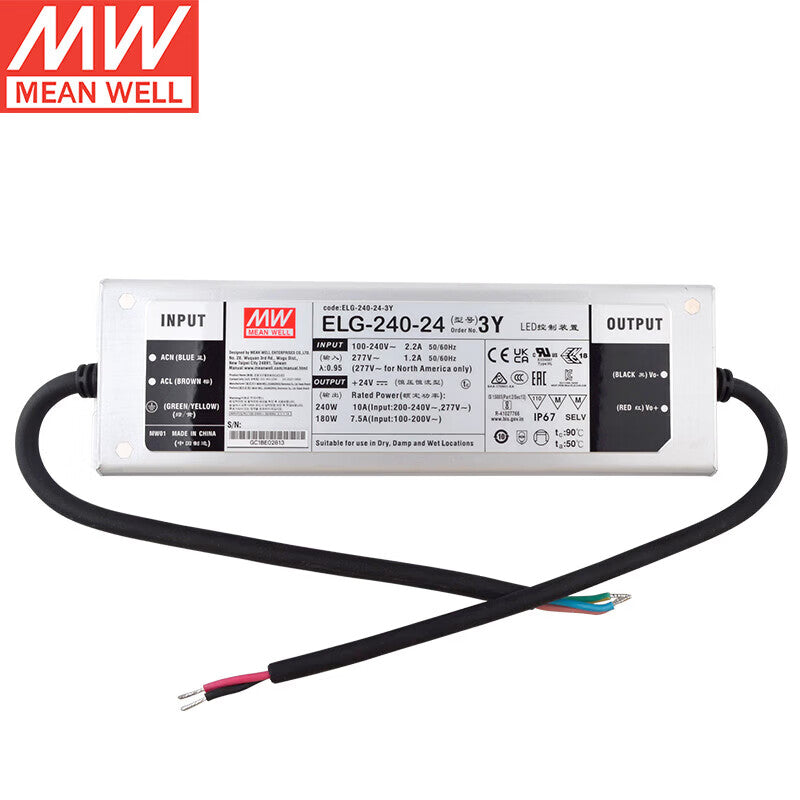
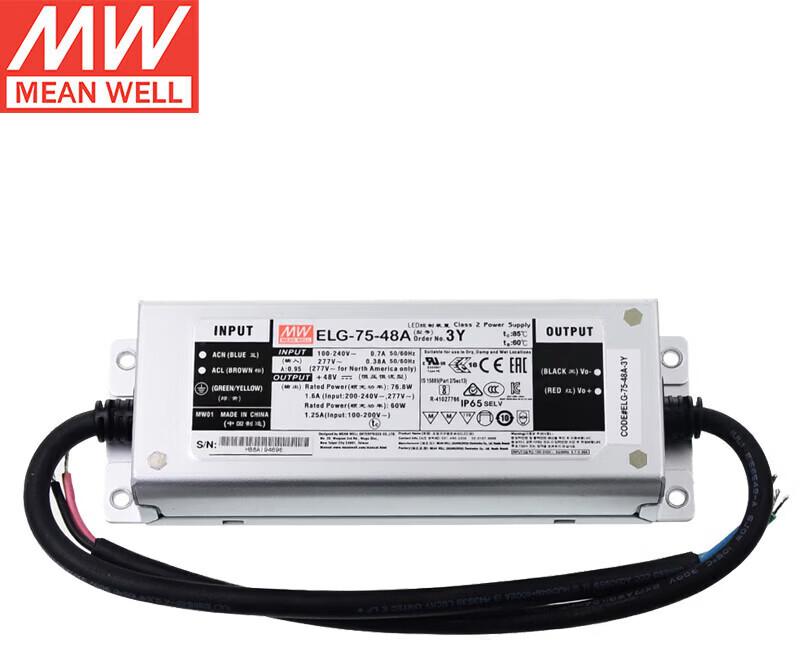
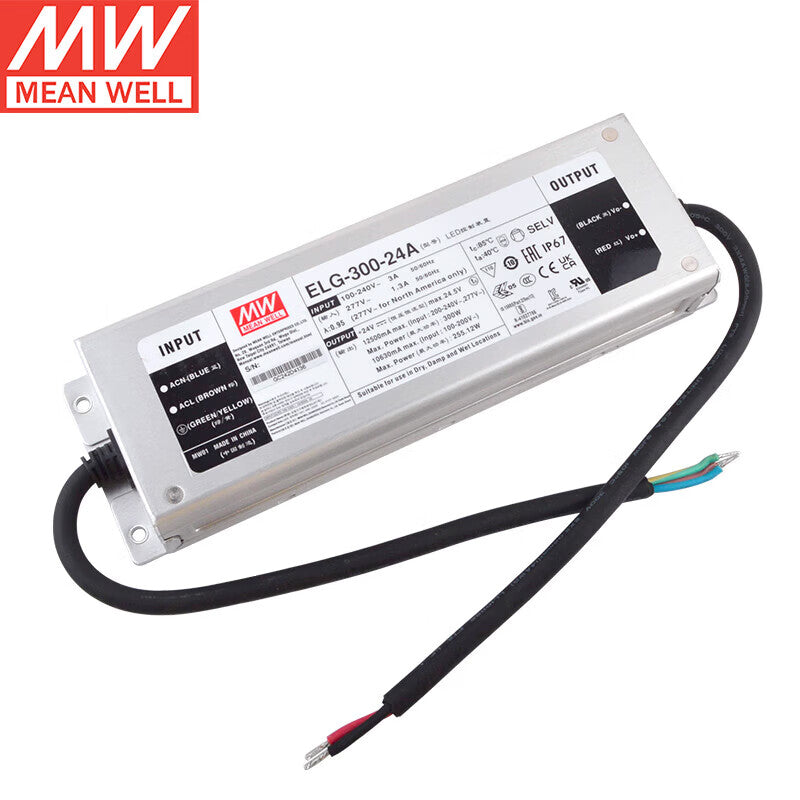
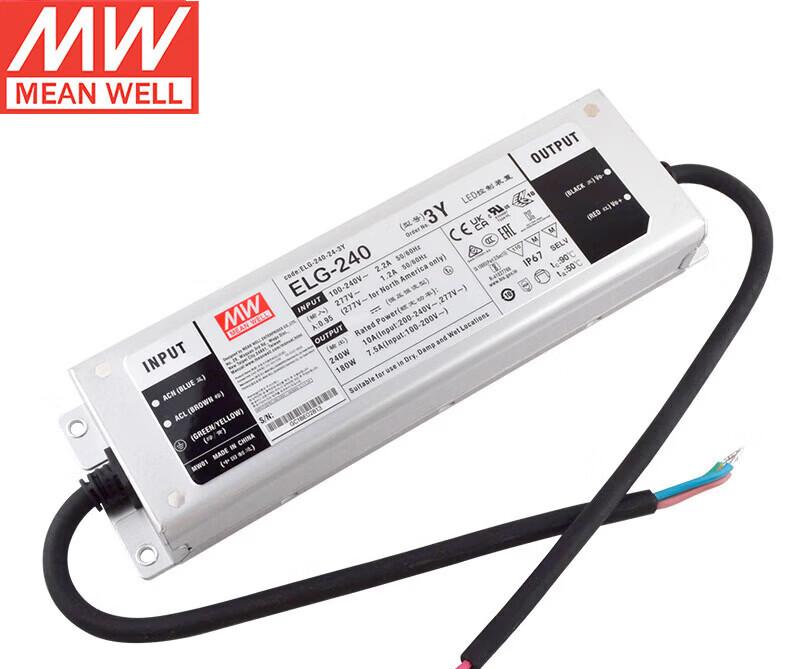
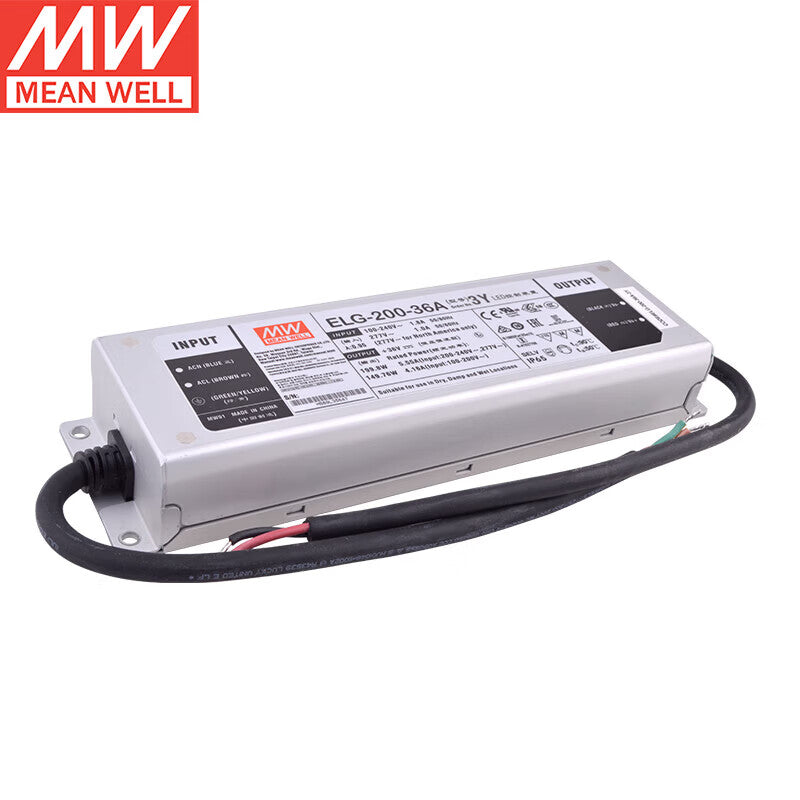
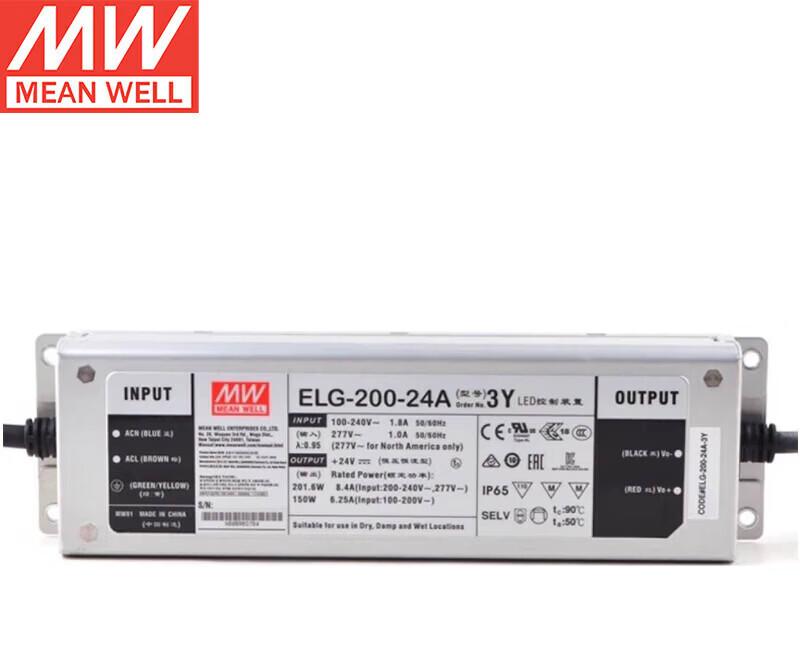
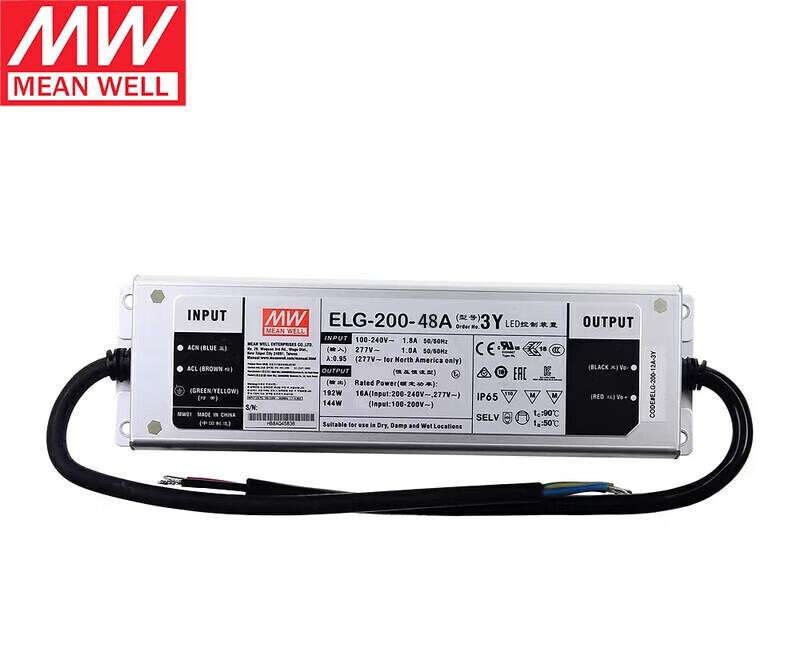
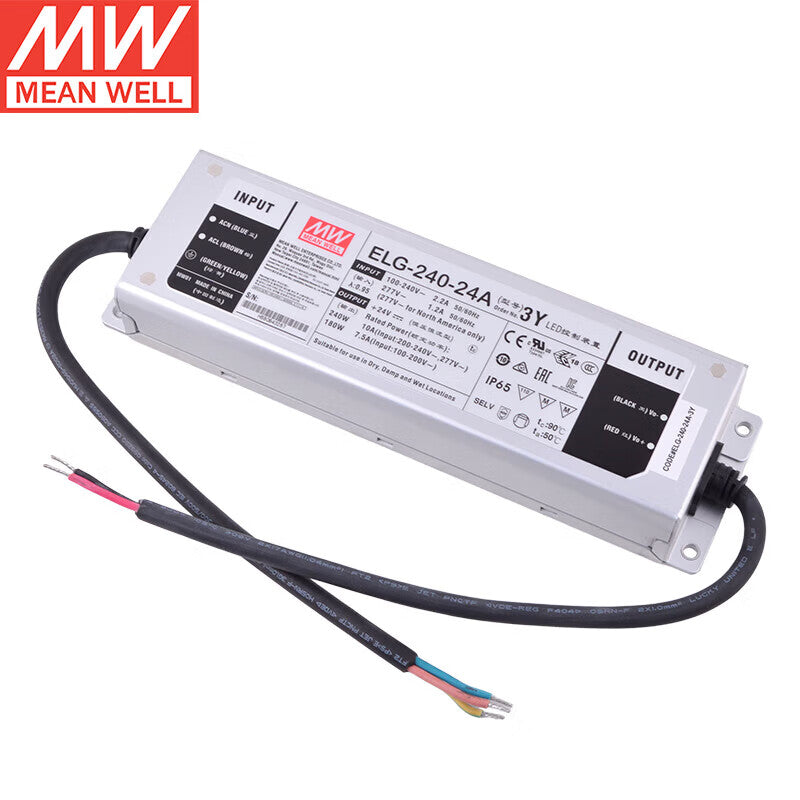
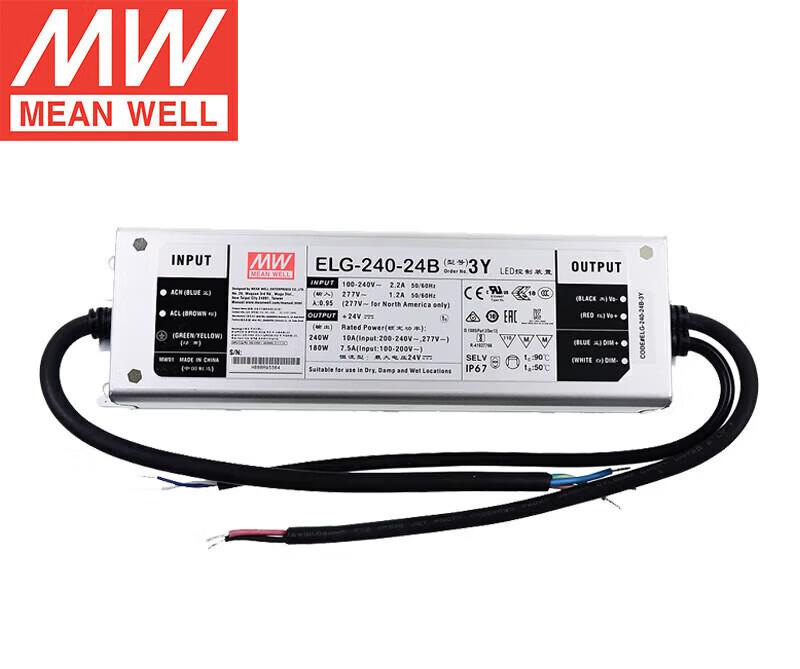
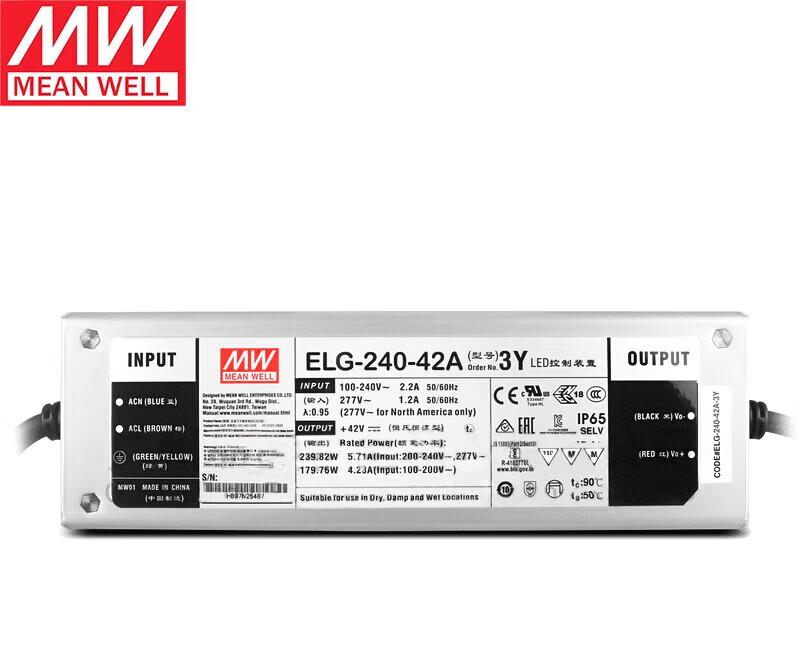
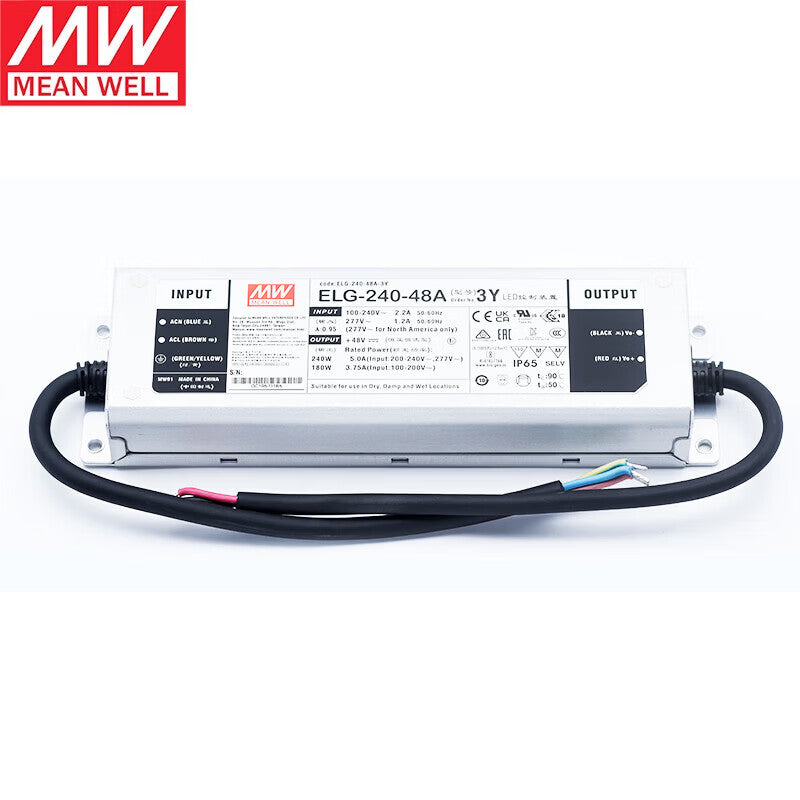
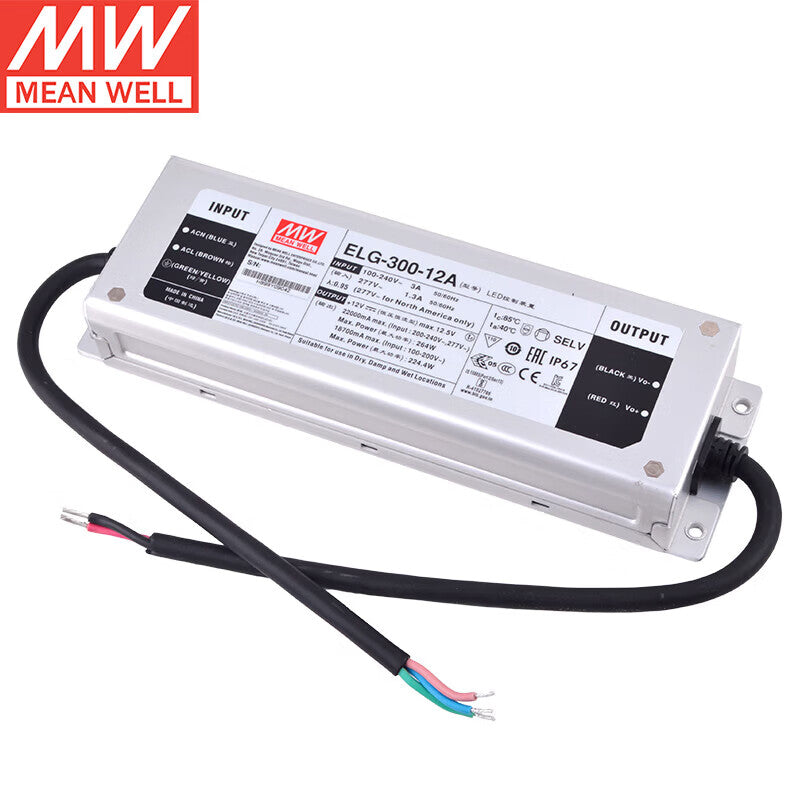
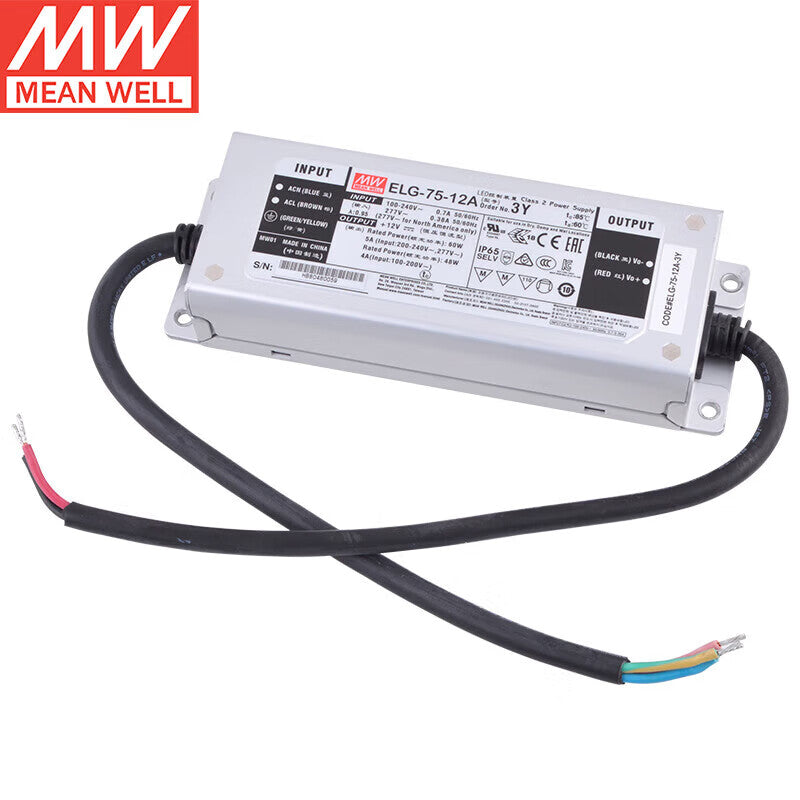
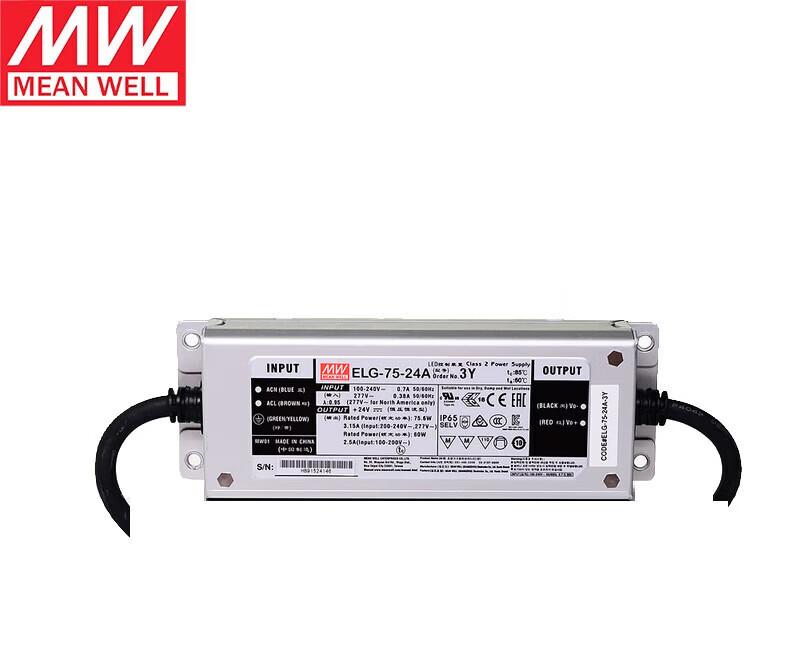
Switching power supplies (SMPS – Switch-Mode Power Supply) rapidly turn the power on and off at high frequency (typically tens to hundreds of kHz). This “chopped” signal is then transformed, rectified, and filtered to produce the desired DC output. Energy is transferred in discrete packets, with regulation achieved by varying the width or frequency of these pulses (a technique called Pulse-Width Modulation, or PWM).
Think of it like quickly turning a faucet on and off to achieve the desired average flow rate with minimal waste.
Head-to-Head Comparison
| Feature | Linear Power Supply | Switching Power Supply |
|---|---|---|
| Operating Principle | Dissipates excess voltage as heat | Chops input and regulates via high-frequency switching |
| Efficiency | Low (30-60%) – High energy loss as heat | High (70-95%) – Minimal energy loss |
| Heat Generation | Very High – Requires large heat sinks | Low to Moderate – Compact design |
| Size & Weight | Large and Heavy (due to transformer and heat sinks) | Small and Lightweight (high-frequency allows tiny components) |
| Output Noise | Very Low, “clean” DC output | Higher – generates high-frequency noise/ripple |
| Complexity | Simple, fewer components | Complex, more components and control circuitry |
| Transient Response | Good – Responds quickly to load changes | Generally slower, but design-dependent |
| Cost (High-Power) | High (due to materials and heat management) | Lower |
| Cost (Low-Power) | Can be competitive for very simple designs | Slightly higher due to complexity |
| EMI/RFI Interference | Very Low | Can be High – requires careful filtering/shielding |
Advantages & Disadvantages in Detail
Linear Power Supply: The Pros and Cons
Advantages:
- Superb Output Quality: Delivers extremely “clean,” low-noise, low-ripple DC power. Ideal for sensitive analog circuits (audio amplifiers, sensors, RF equipment).
- Simplicity & Reliability: Fewer components mean fewer potential points of failure and simpler design.
- Fast Transient Response: Reacts very quickly to sudden changes in load current.
- Minimal EMI: Produces almost no high-frequency electromagnetic interference, making it easier to pass regulatory EMC tests.
Disadvantages:
- Low Efficiency: Much of the input energy is wasted as heat, especially when the difference between input and output voltage is large.
- Bulky and Heavy: The low-frequency transformer and large heat sinks take up significant space.
- Limited Flexibility: Typically designed for a specific input/output voltage combination. Not ideal for wide input ranges.
- Heat Management: Requires significant ventilation or heatsinking, which impacts system design.
Switching Power Supply: The Pros and Cons
Advantages:
- High Efficiency: Wastes very little energy, leading to cooler operation and lower electricity costs. Essential for battery-powered and high-power applications.
- Small & Light: High-frequency operation allows the use of tiny transformers and filter components.
- Flexible & Versatile: Can handle wide input voltage ranges (e.g., 90-264V AC). Can easily generate multiple output voltages (e.g., +12V, -12V, +5V, +3.3V) from a single unit.
- High Power Density: Can deliver much more power per unit volume and weight than a linear supply.
Disadvantages:
- Output Noise: Switching noise and ripple can interfere with sensitive circuits if not properly filtered.
- Complex Design: More components and intricate control loops increase design complexity and potential failure modes.
- EMI Challenges: High-frequency switching generates electromagnetic interference (EMI), requiring careful PCB layout, filtering, and shielding to meet standards.
- Potential for Oscillation: The feedback control loop can become unstable under certain conditions if not properly compensated.
When to Choose Which Type? Application Guide
Choose a Linear Power Supply When:
-
Signal Fidelity is Paramount: Critical for:
- Audio pre-amplifiers and high-fidelity equipment
- Precision analog sensor circuits
- Laboratory and test/measurement instrumentation
- RF communication systems and radio receivers
- Low Noise is Non-Negotiable: When even tiny power supply noise would degrade system performance.
- For Very Low-Power, Simple Circuits: Where efficiency and size don’t matter, but simplicity and low cost do (e.g., a simple 5V regulator for a microcontroller).
- As a “Post-Regulator”: Following a noisy switching supply to clean up its output for sensitive analog stages.
Choose a Switching Power Supply When:
-
Efficiency and Heat are Primary Concerns: Essential for:
- High-power applications (computers, servers, motor drives)
- Battery-operated/portable devices (laptops, phones, IoT devices)
- Any application where cooling is difficult or expensive
-
Space and Weight are Limited:
- Consumer electronics (TVs, gaming consoles)
- LED lighting drivers
- Any modern, compact electronic product
-
Input Voltage Varies Widely:
- Automotive electronics (must handle 9V-16V or more)
- Products sold globally (must work on 110V and 220V mains)
- You Need Multiple Output Voltages: Common in complex digital systems like motherboards or industrial controllers.
The Modern Landscape: A Blended Approach
Today, the choice isn’t always binary. Many sophisticated systems use a hybrid approach:
- A switching pre-regulator is used for efficient bulk voltage conversion.
- Followed by low-dropout (LDO) linear regulators at each point-of-load to provide ultra-clean, stable power for sensitive analog or digital ICs (like FPGAs, ADCs, or DACs).
This combines the efficiency of switching with the performance of linear regulation.
Quick Decision Checklist
Ask yourself these questions for your next project:
| Your Requirement | Leans Toward: |
|---|---|
| Clean, low-noise power for audio/analog circuits? | Linear |
| Maximum efficiency and minimal heat? | Switching |
| The smallest, lightest possible form factor? | Switching |
| The simplest, most reliable design? | Linear (for low power) |
| High output power (>10W)? | Switching |
| Global operation with wide input voltage? | Switching |
| Very low cost for a simple, low-power circuit? | Linear (may be competitive) |
| Concerned about passing EMI/EMC tests easily? | Linear |
Final Verdict
There is no universally “better” type. Each is a superior tool for different jobs:
- Think of a Linear Power Supply as a precision laboratory instrument—prioritizing performance and purity at the expense of bulk and efficiency.
- Think of a Switching Power Supply as a high-efficiency engine—prioritizing compactness, versatility, and energy savings while requiring more engineering to manage its “noisiness.”
For most modern electronics, from smartphones to industrial automation, switching power supplies dominate due to their efficiency and compactness. However, linear power supplies remain indispensable in niches where their superior output quality justifies their drawbacks.
Choose linear for performance-critical analog applications. Choose switching for virtually everything else where size, efficiency, and flexibility matter.

