



If you’ve ever wondered what keeps modern factories running smoothly, the answer is simple: Programmable Logic Controllers (PLCs) . These rugged industrial computers have been the foundation of automation for over 50 years—and they’re not going anywhere.
What Is a PLC?
A Programmable Logic Controller is an industrial-grade computer designed to control manufacturing processes and machinery. Unlike your desktop PC, PLCs are built to survive harsh environments—extreme temperatures, vibration, electrical noise, and humidity.
Think of a PLC as the brain of an automated system. It reads inputs from sensors and switches, runs a user-programmed logic routine, and then activates outputs like motors, valves, and lights.
How PLCs Work: The Scan Cycle
PLCs operate in a continuous loop called the scan cycle:
- Read Inputs – Check status of all connected sensors and switches
- Execute Program – Run the control logic (typically ladder logic)
- Update Outputs – Turn motors, valves, and indicators on or off
- Housekeeping – Handle communications and diagnostics
This cycle repeats in milliseconds, creating seamless, real-time control.
Why PLCs Dominate Manufacturing
| Advantage | Why It Matters |
|---|---|
| Reliability | Built for 24/7 operation, years without failure |
| Ruggedness | Withstands vibration, heat, and electrical noise |
| Flexibility | Reprogram instead of rewire for process changes |
| Easy Troubleshooting | LED indicators and diagnostics simplify maintenance |
| Long Lifecycle | Manufacturers support products for decades |
Common PLC Applications
PLCs are everywhere in industry:
- Assembly Lines – Controlling robotic arms and conveyor sequences
- Packaging Machinery – Managing filling, sealing, and labeling
- Water Treatment – Regulating pumps, valves, and chemical dosing
- Material Handling – Coordinating sortation and warehouse systems
- HVAC Control – Managing large building environmental systems
The Critical Role of Power Supplies
A PLC is only as reliable as the power that feeds it. Power disturbances that might reboot a office computer can halt an entire production line.
What PLCs Need from a Power Supply:
- Clean, Stable DC Voltage – Typically 24VDC for I/O, 5VDC or 3.3VDC for logic
- Hold-up Time – Ride through brief AC power interruptions
- Isolation – Protect sensitive circuits from electrical noise
- Reliability – Industrial-grade components for continuous duty
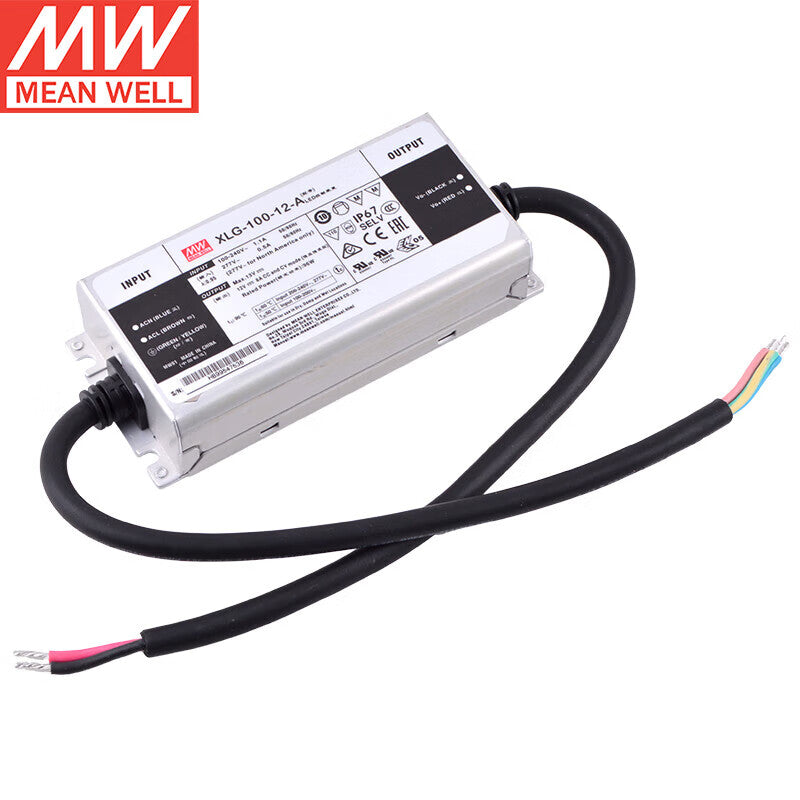
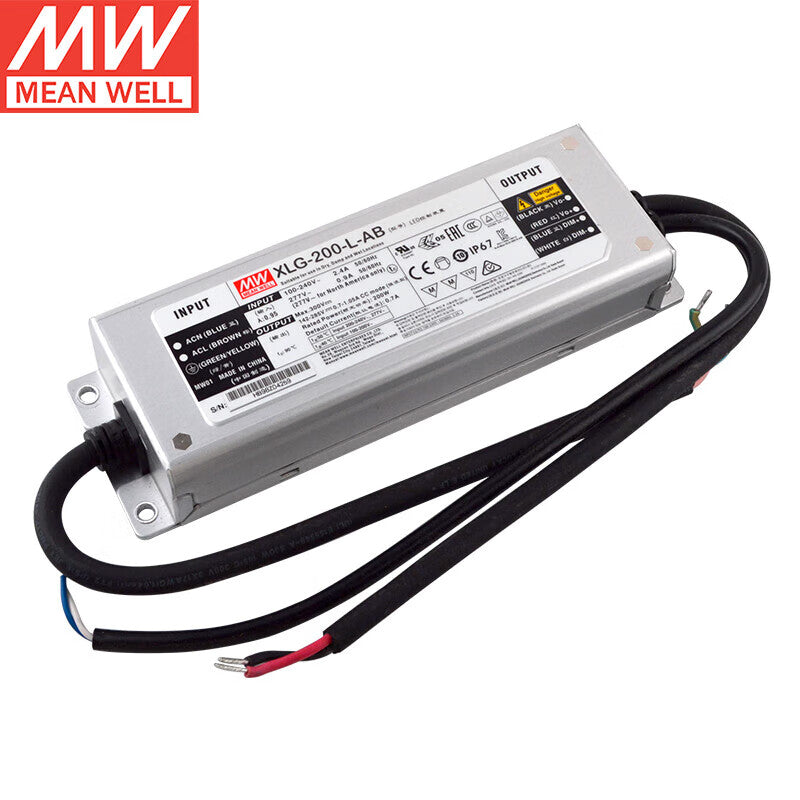
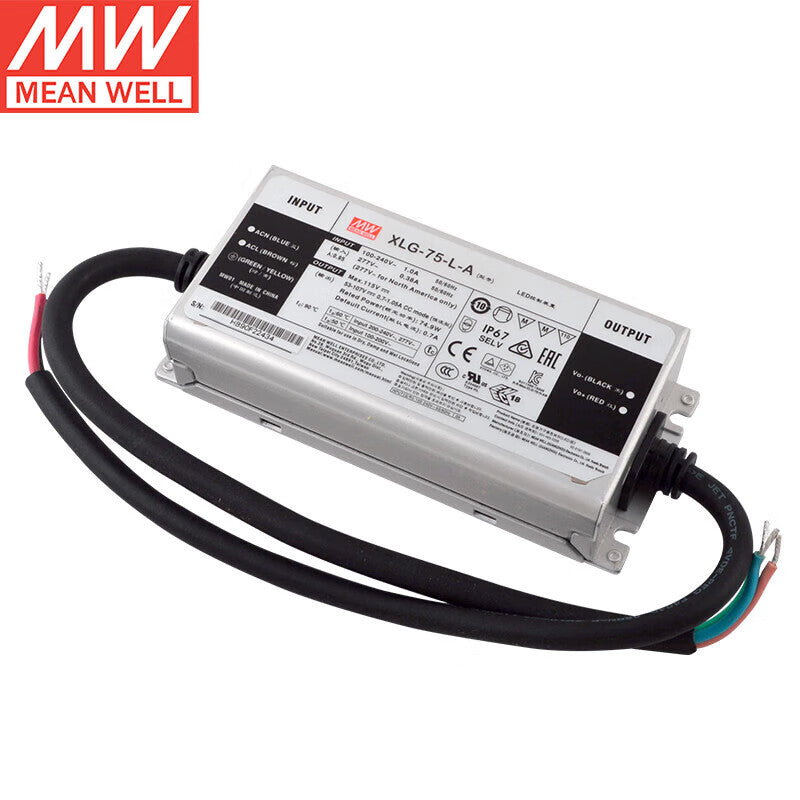
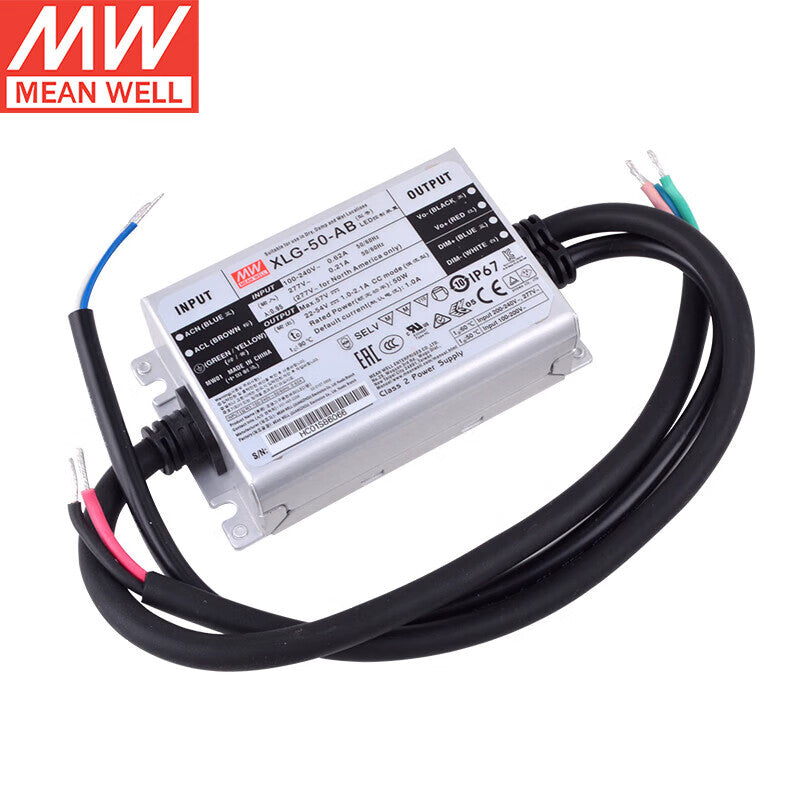
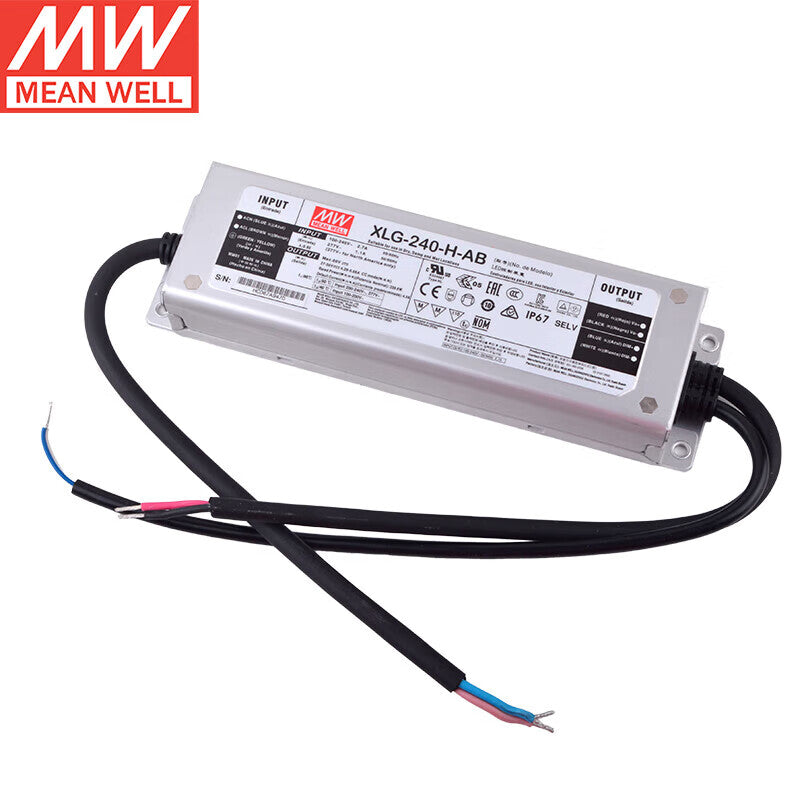
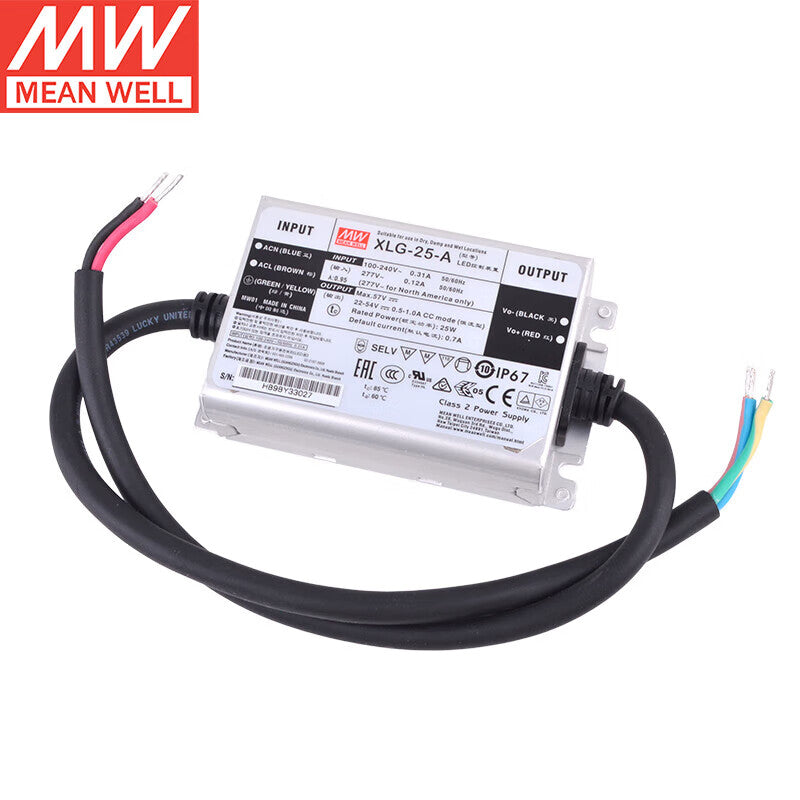
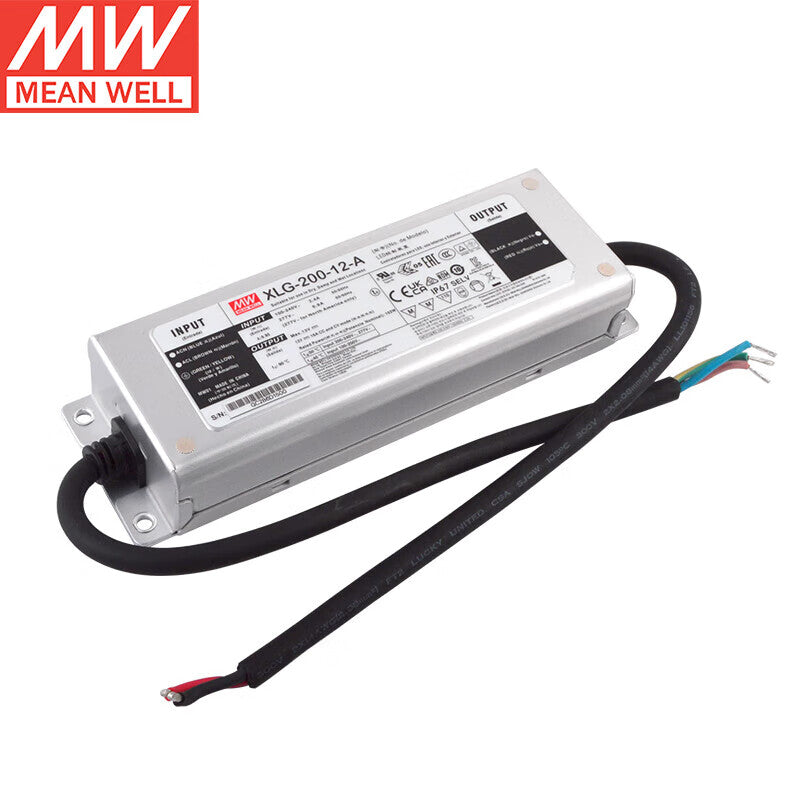
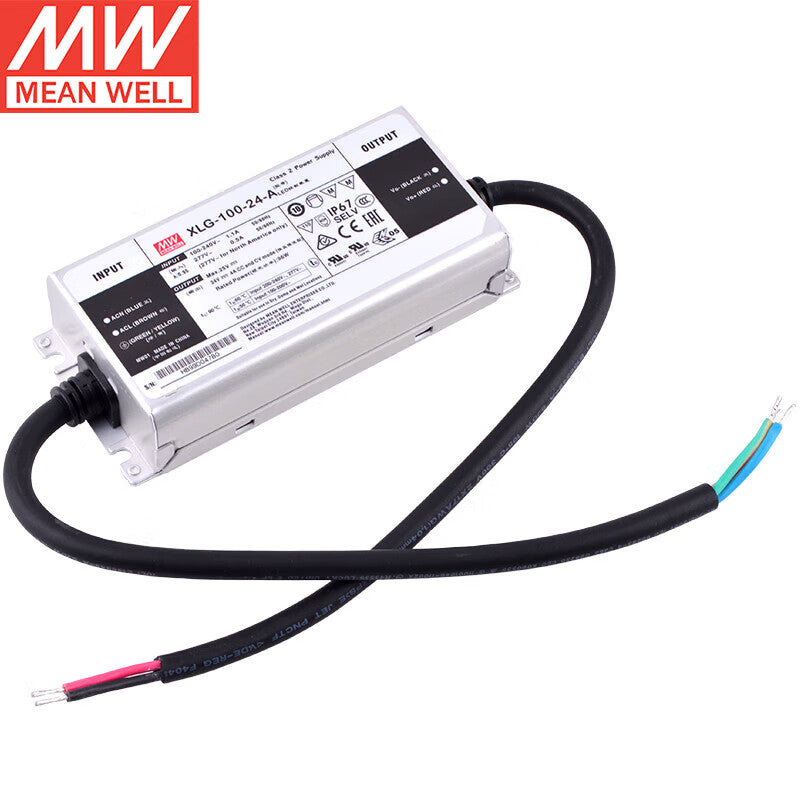
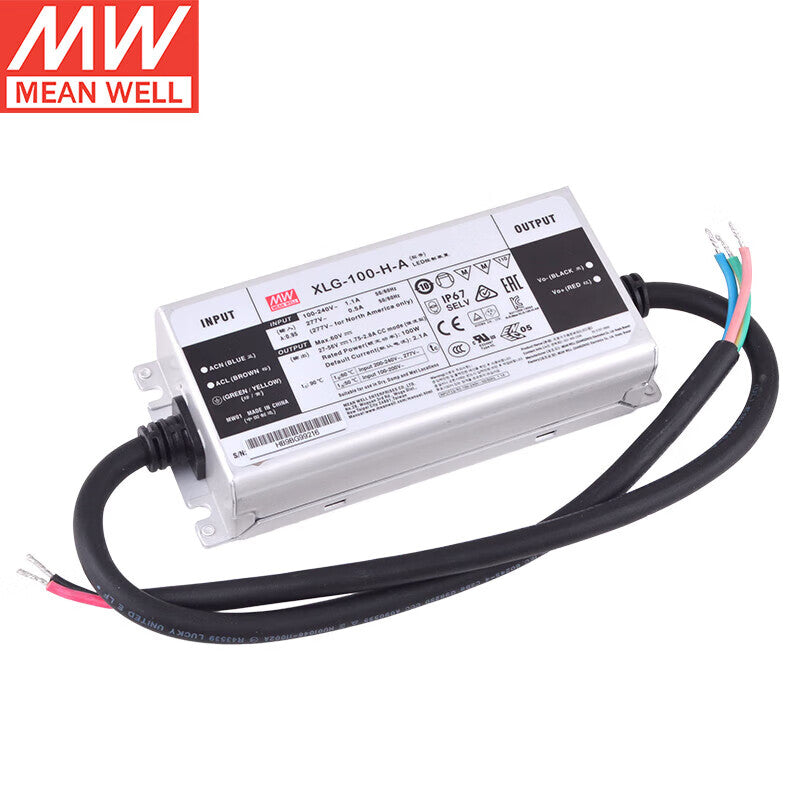
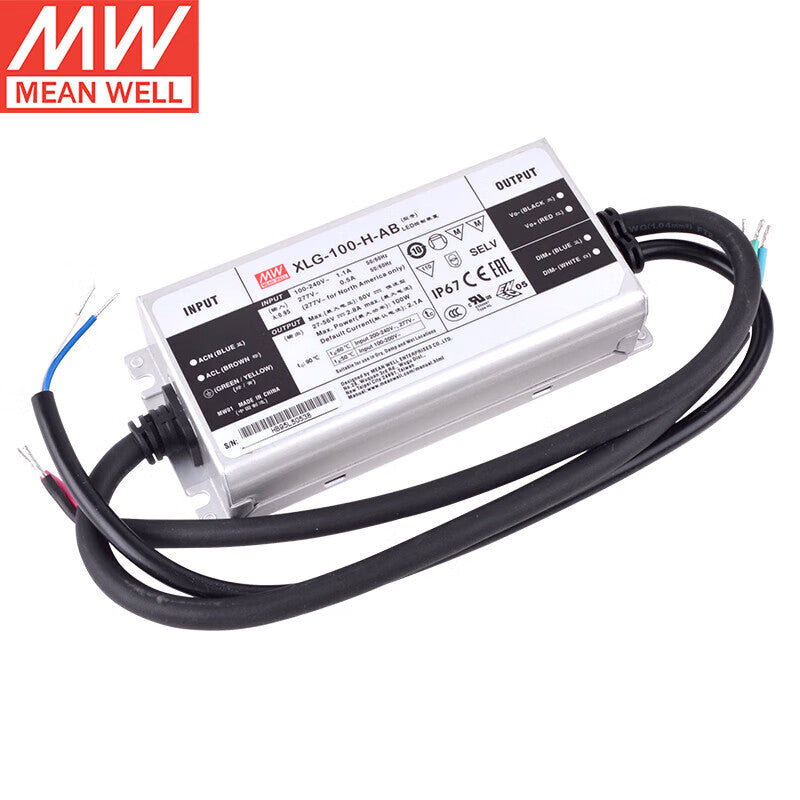
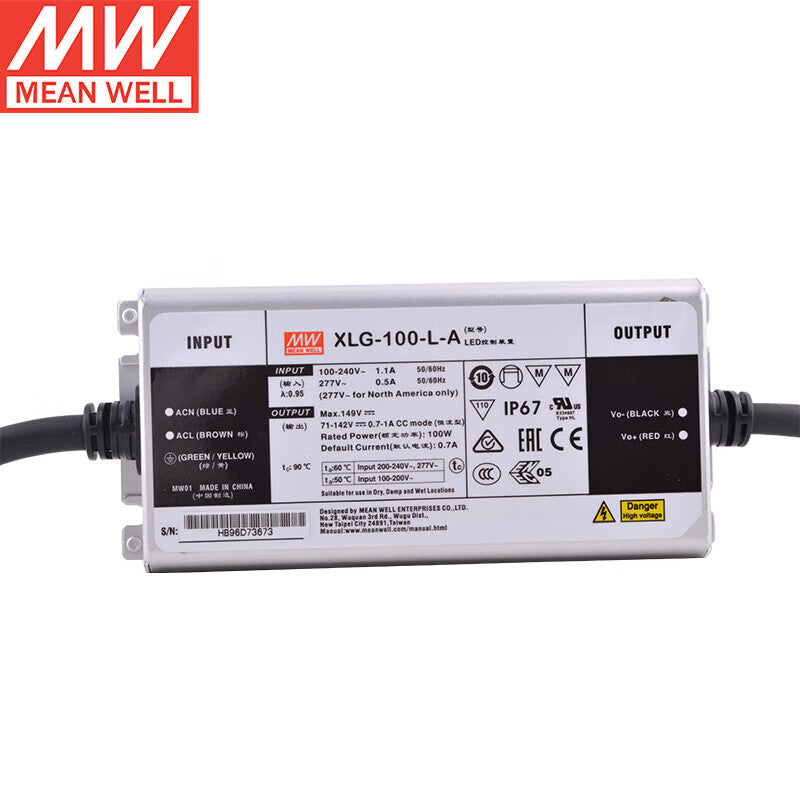
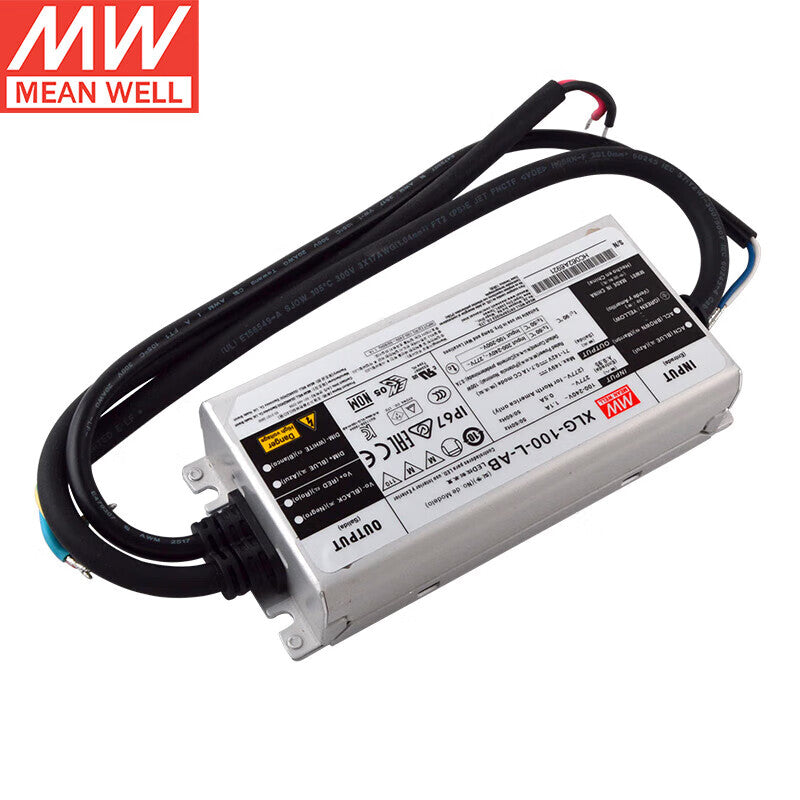
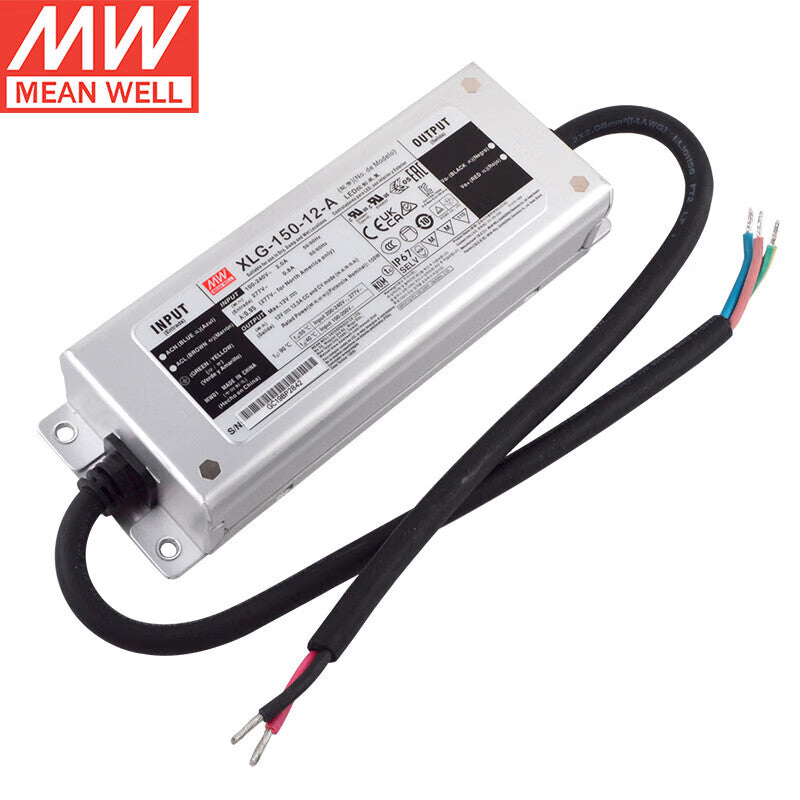
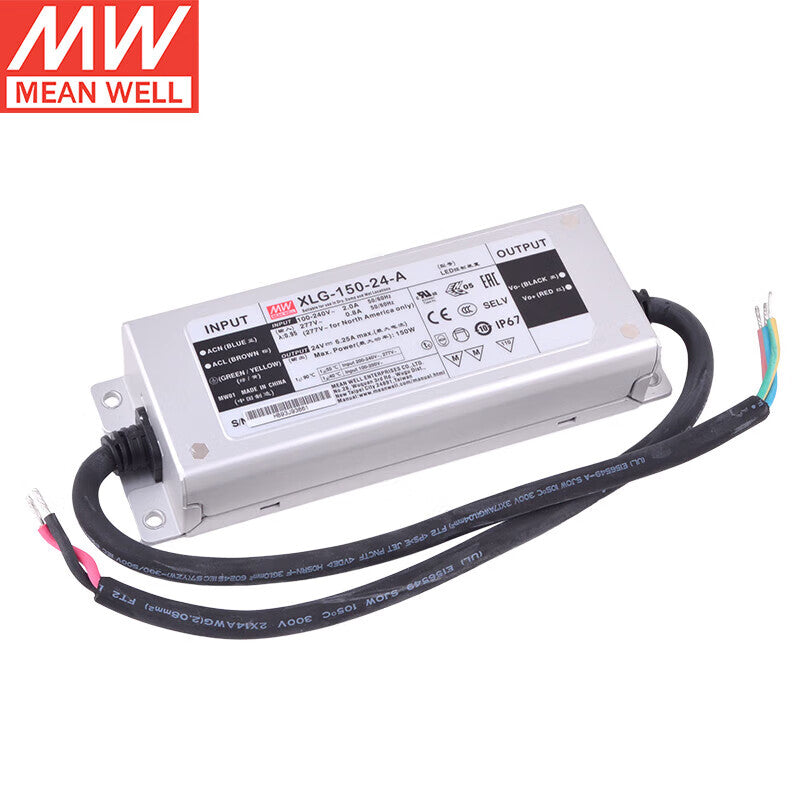
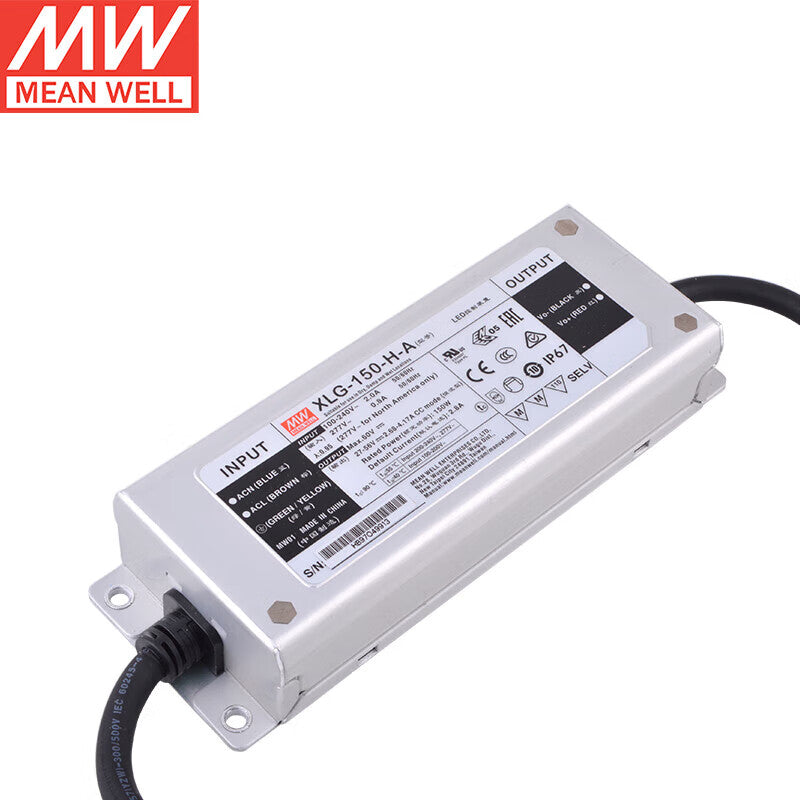
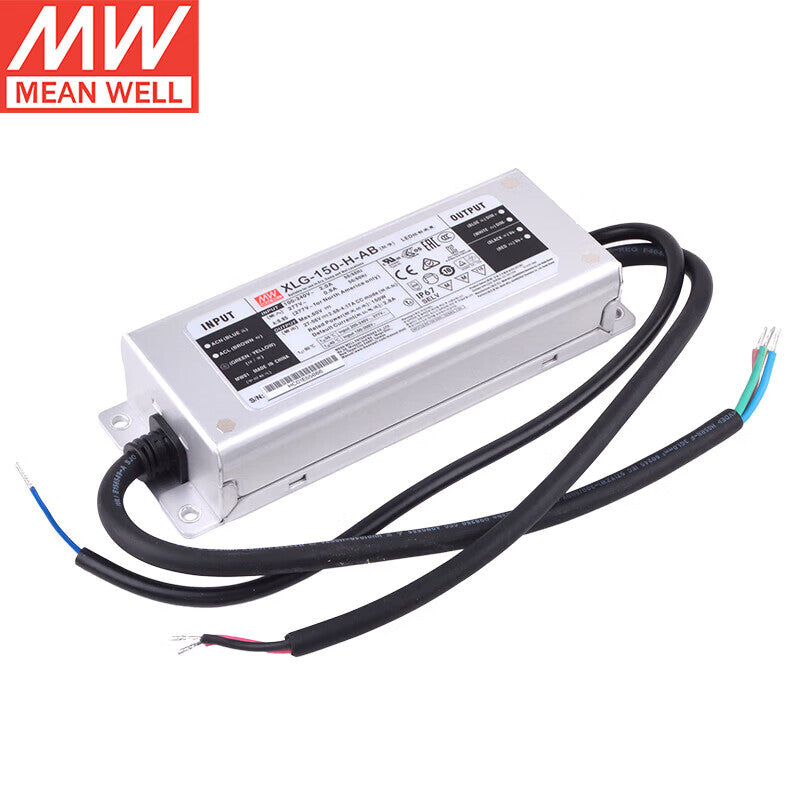
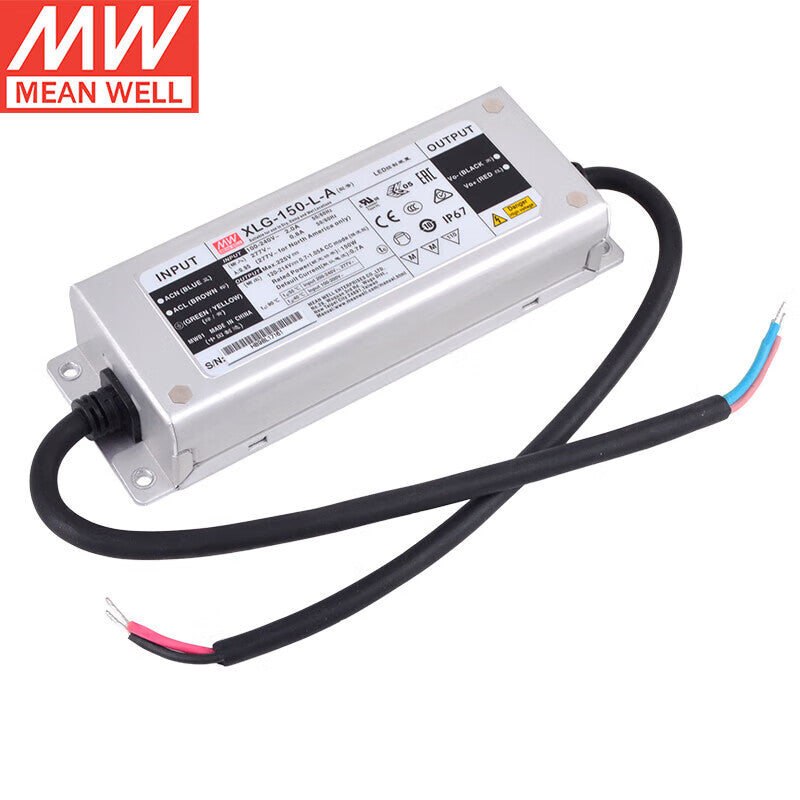
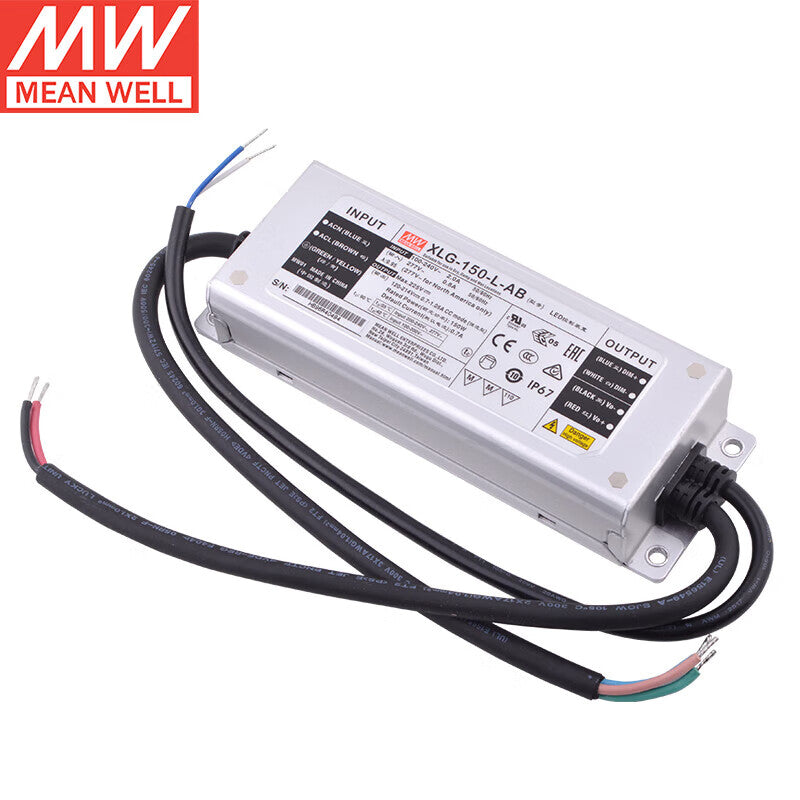
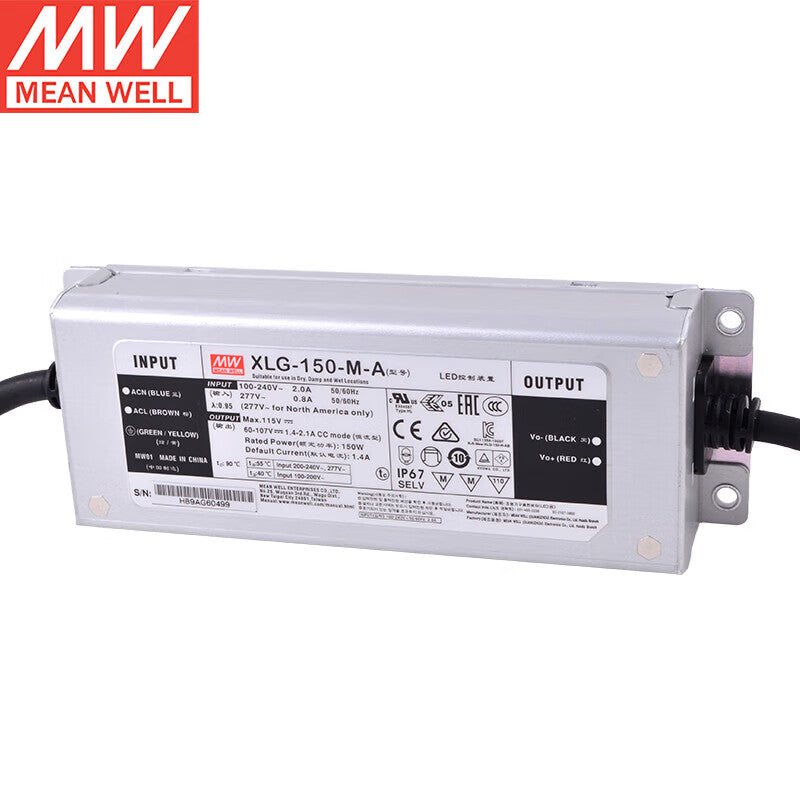
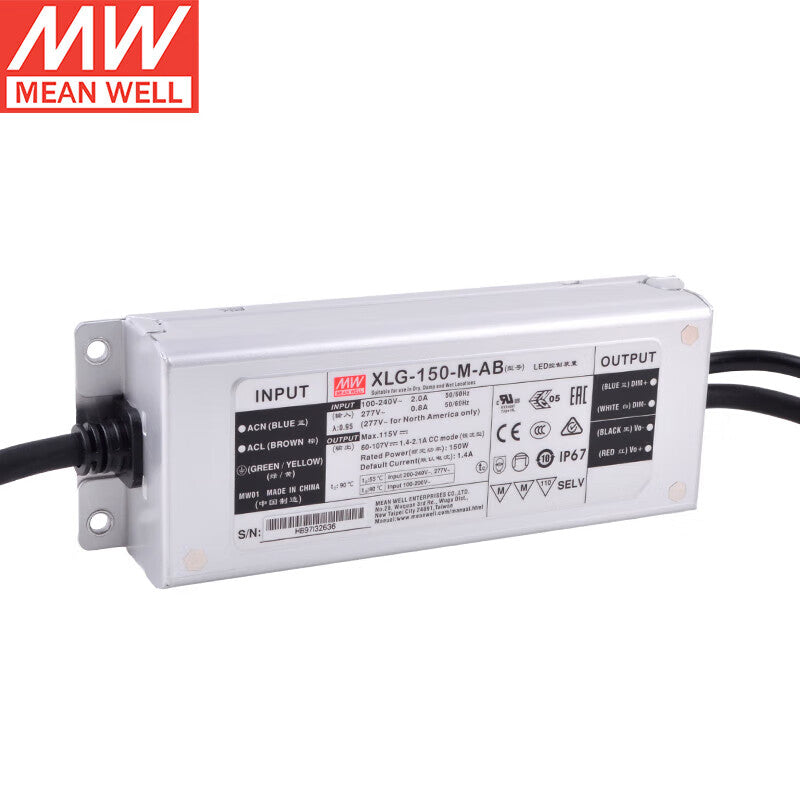
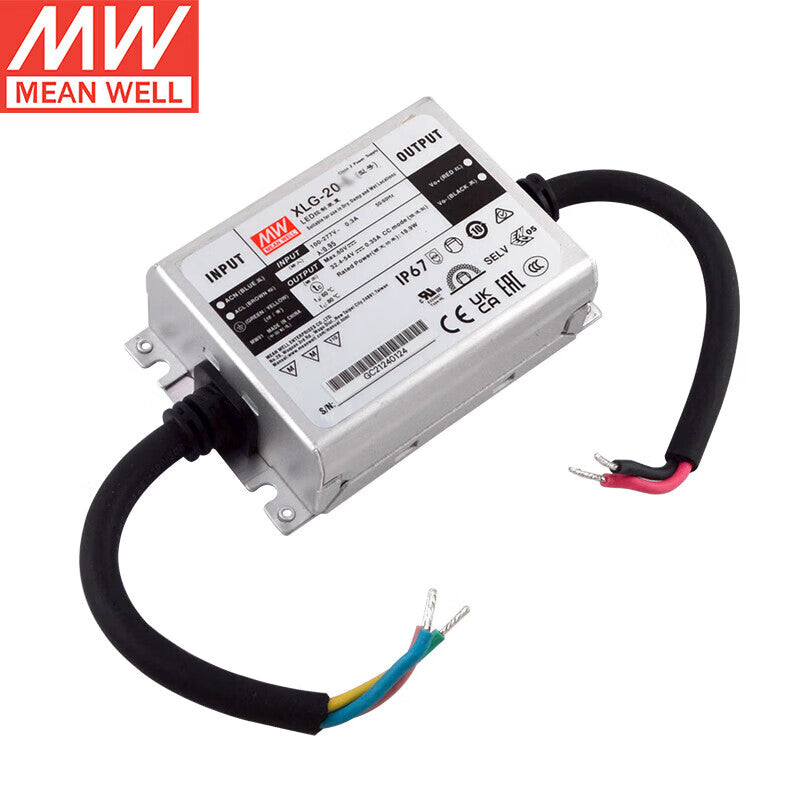
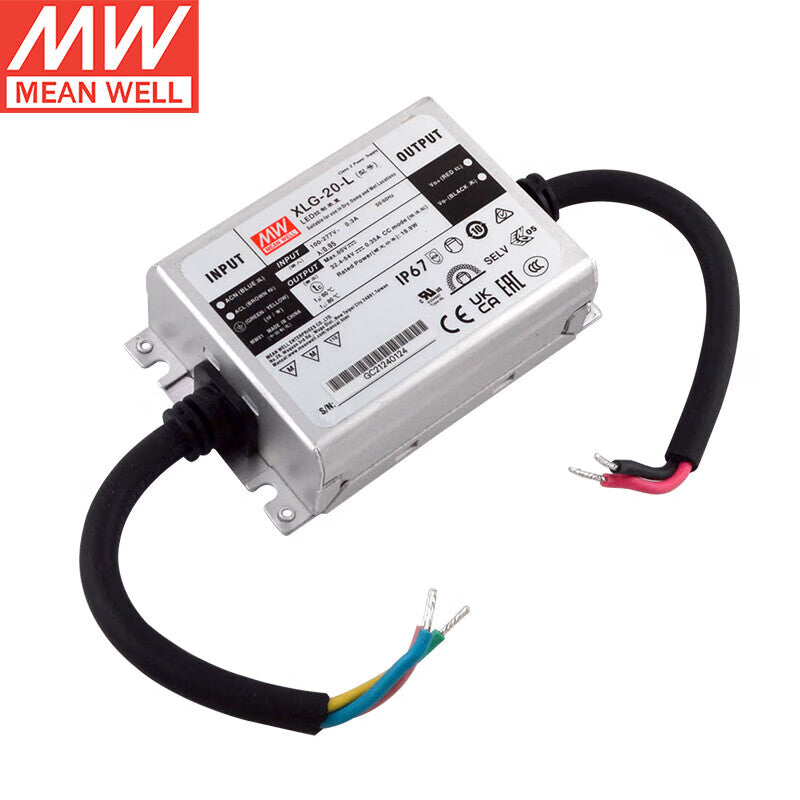
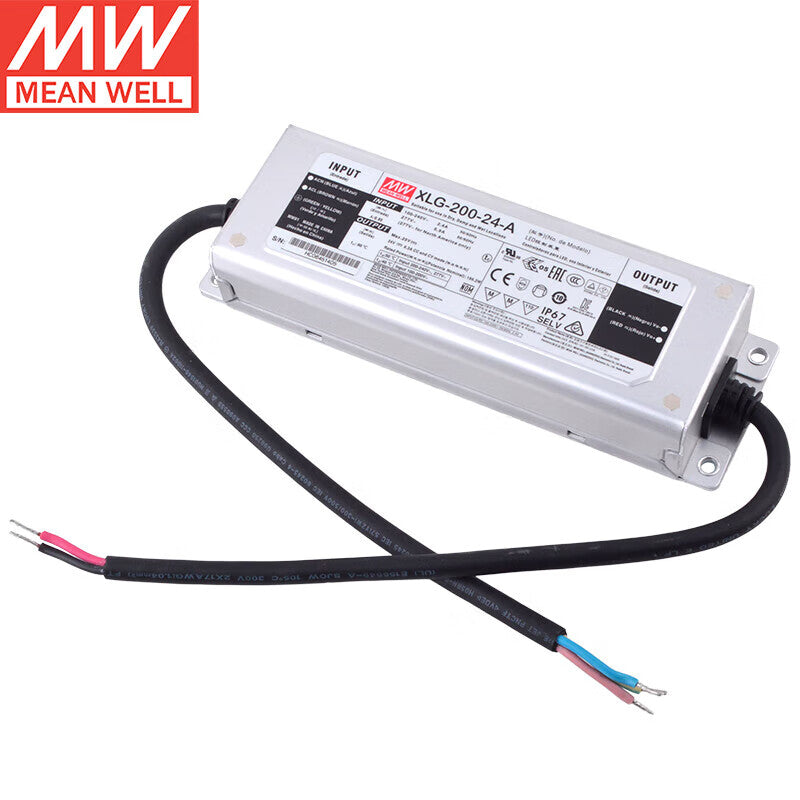
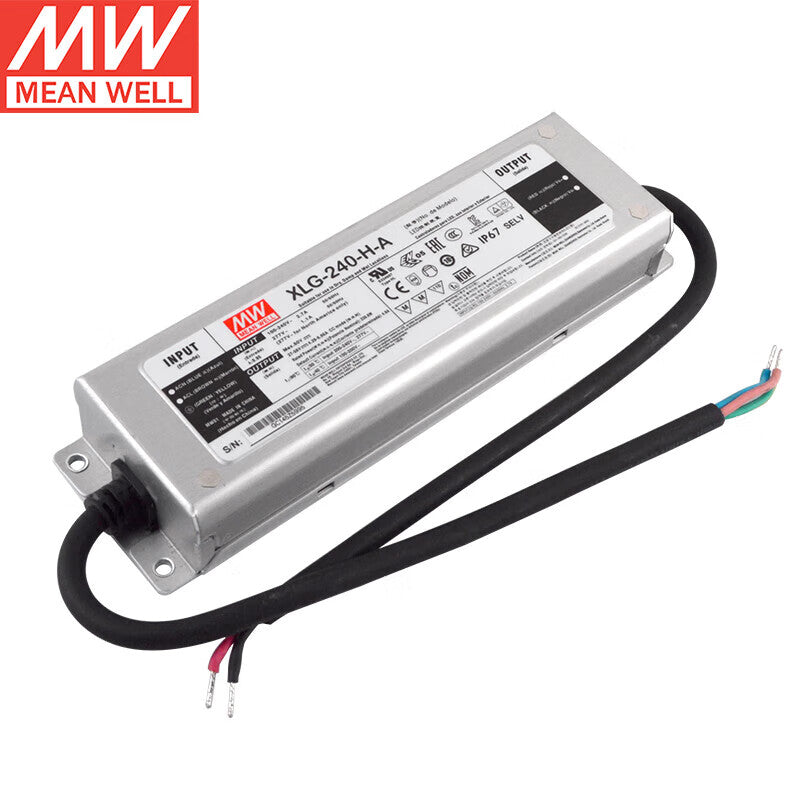
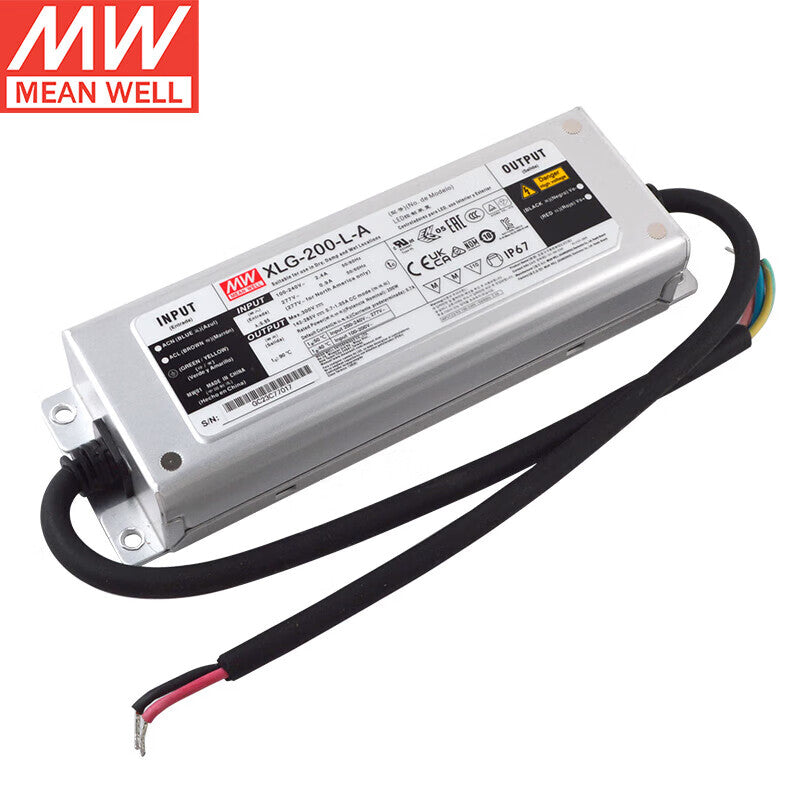
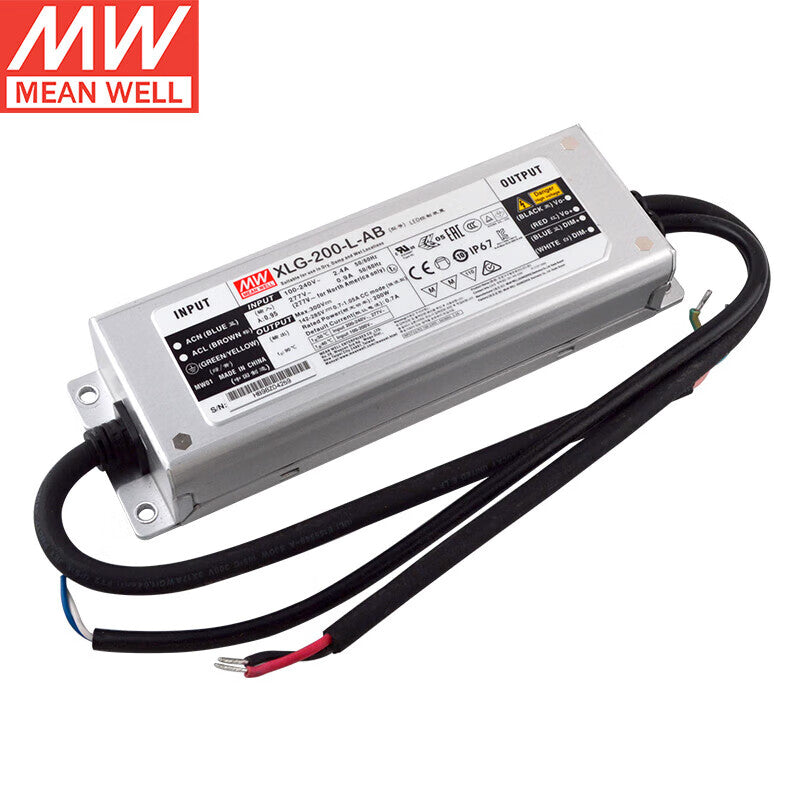
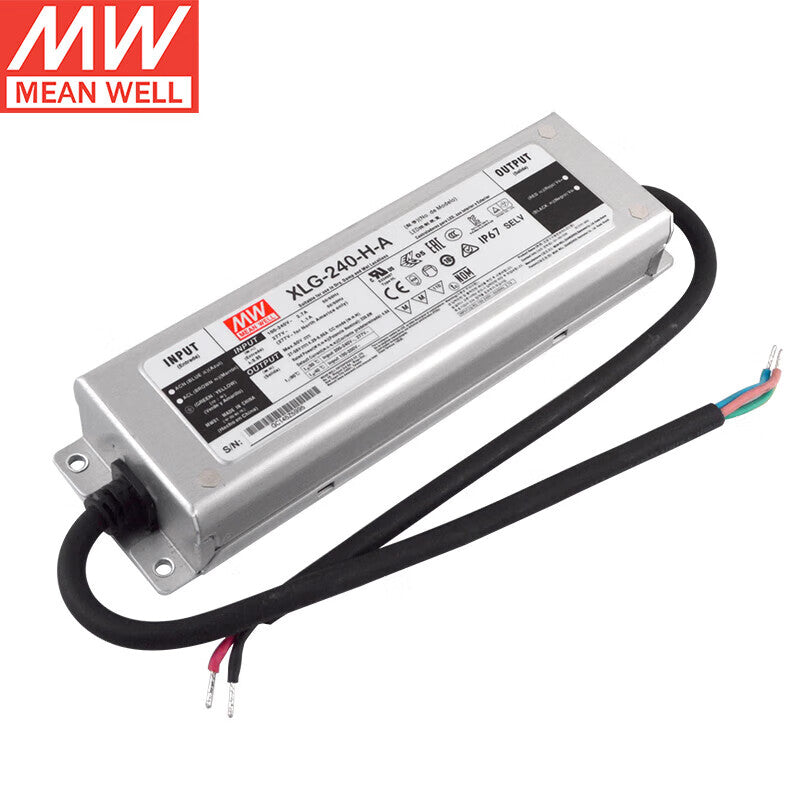
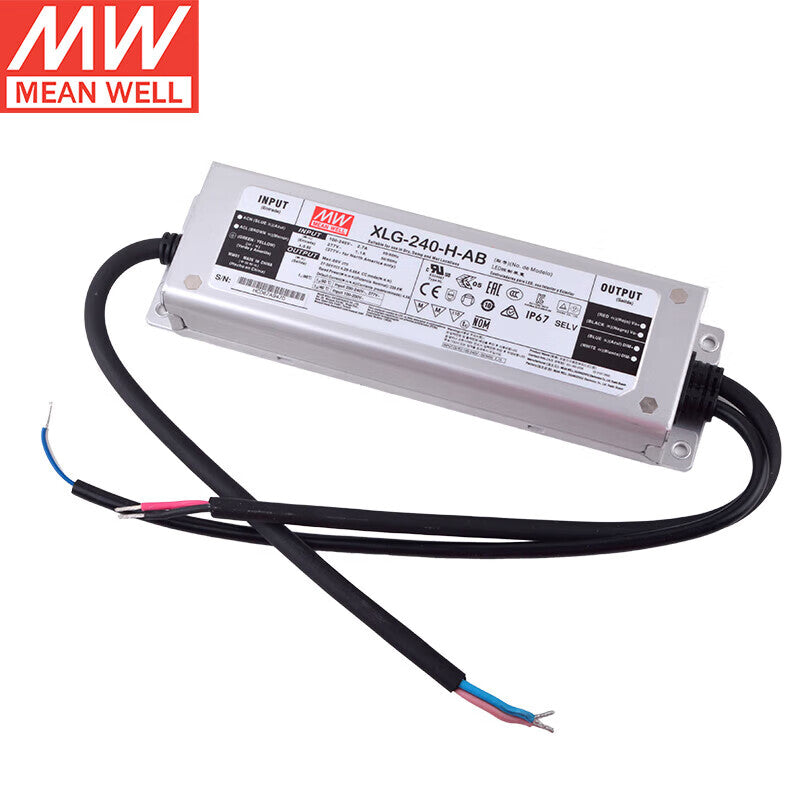
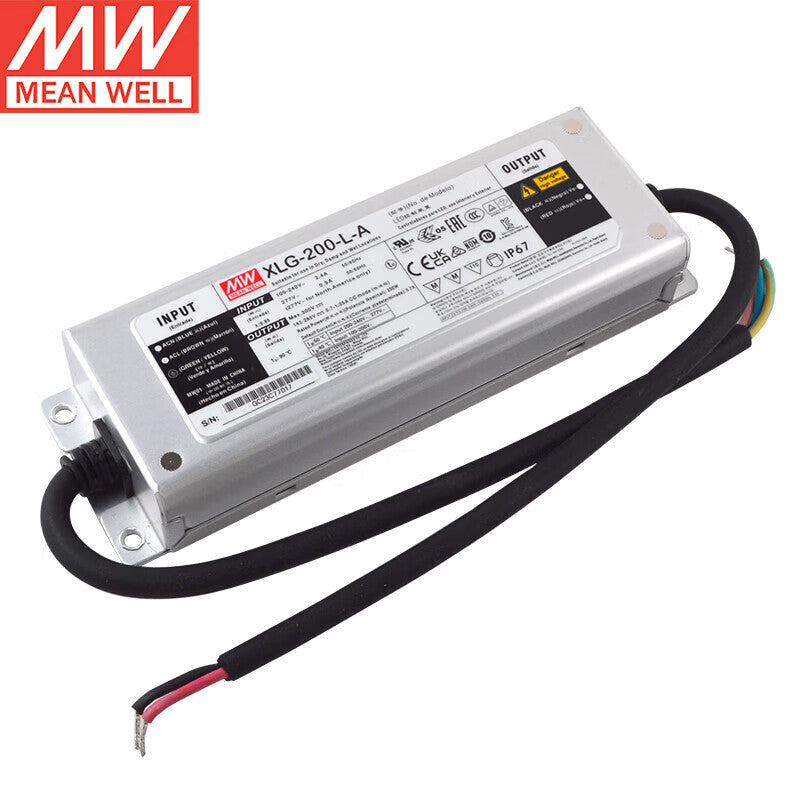
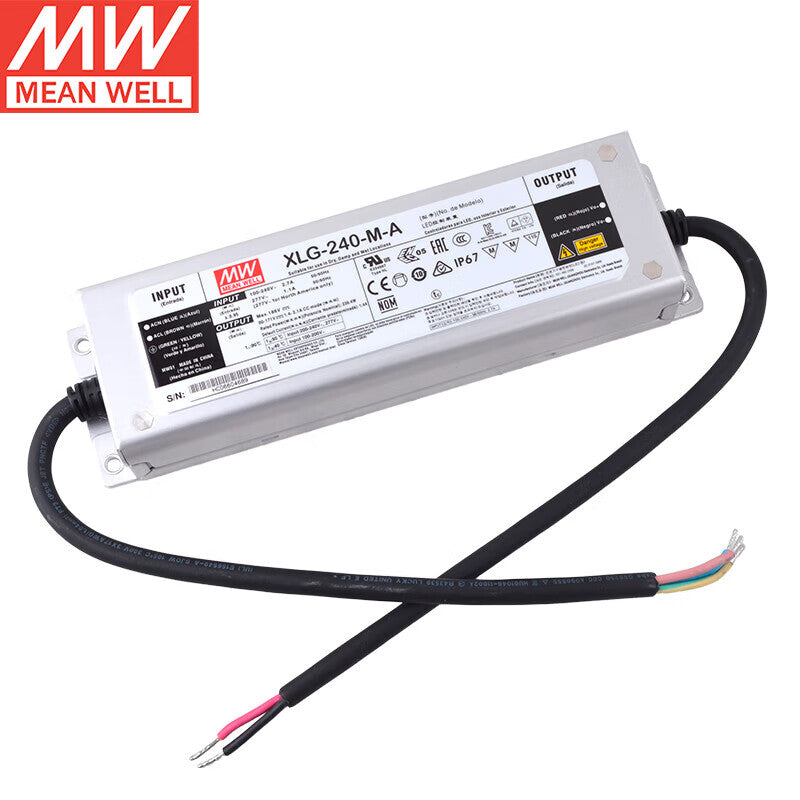
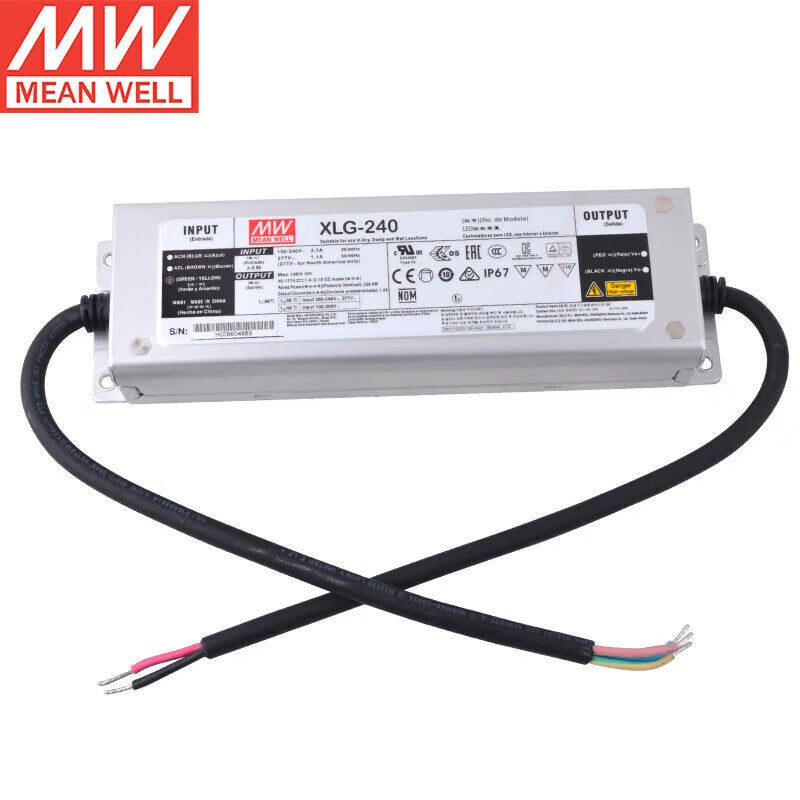
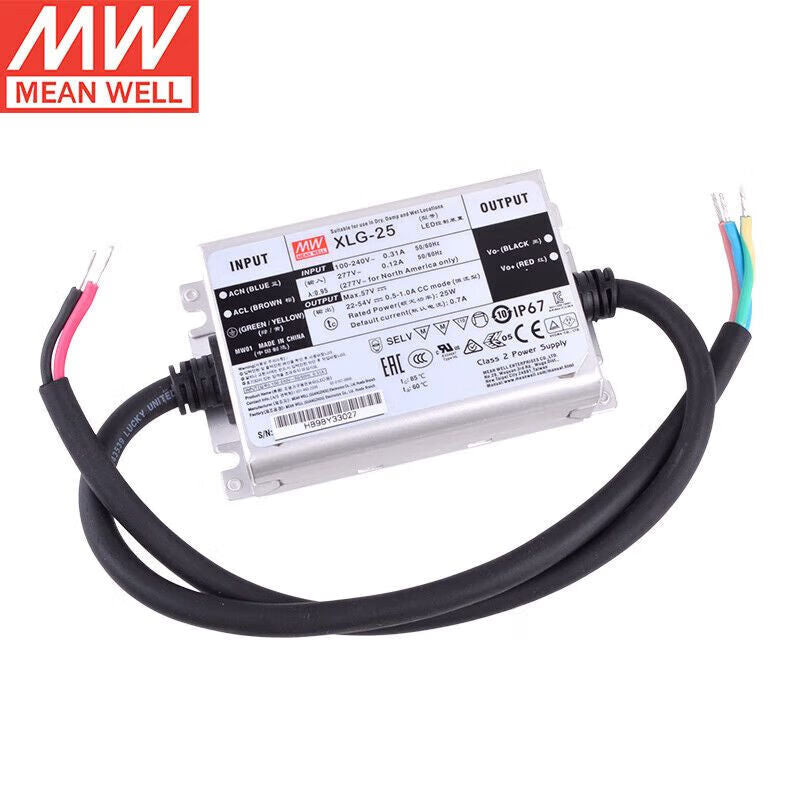
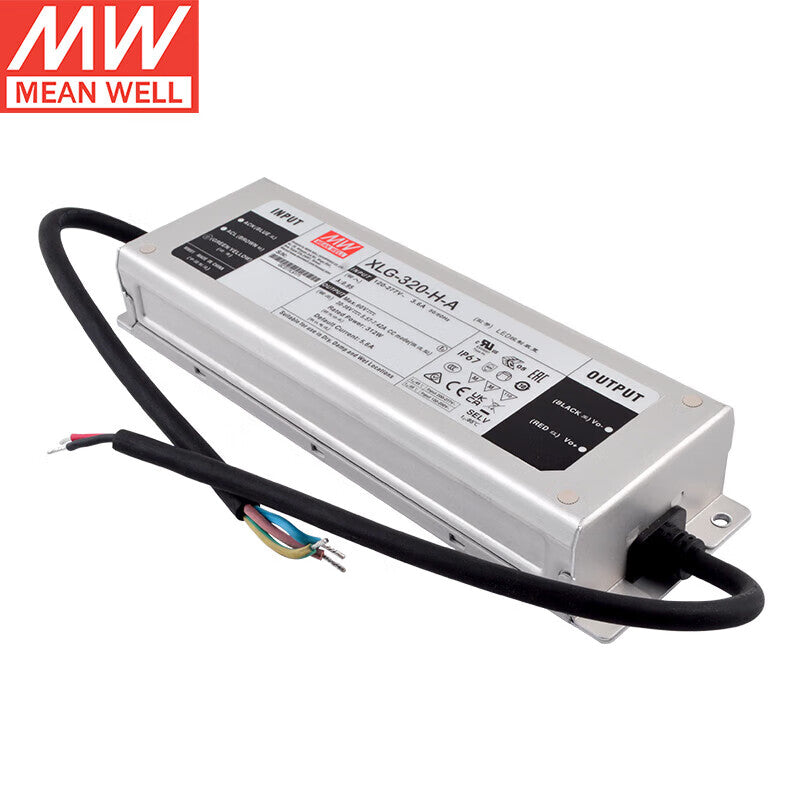
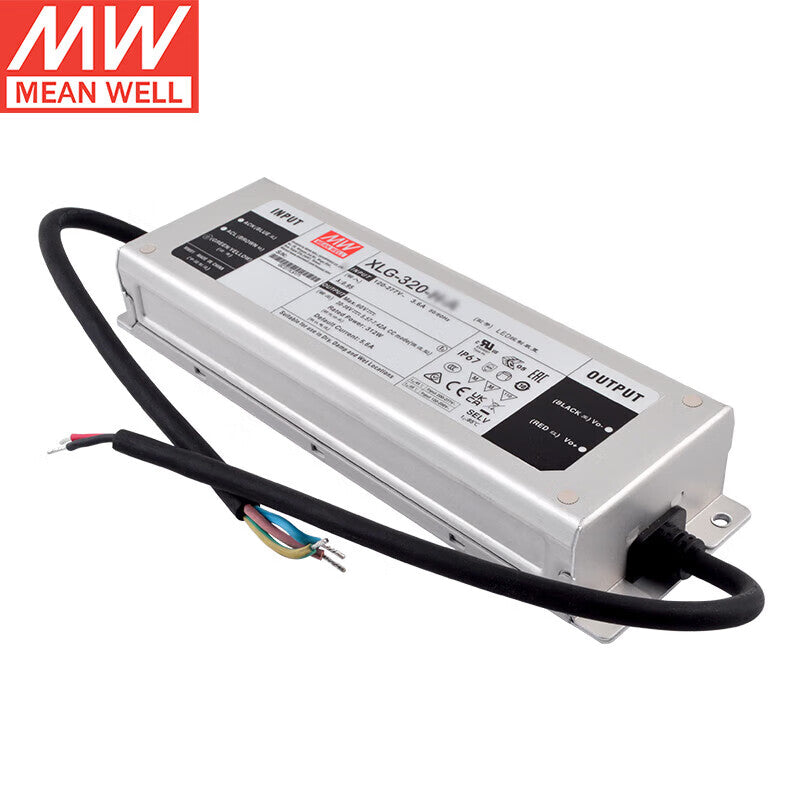
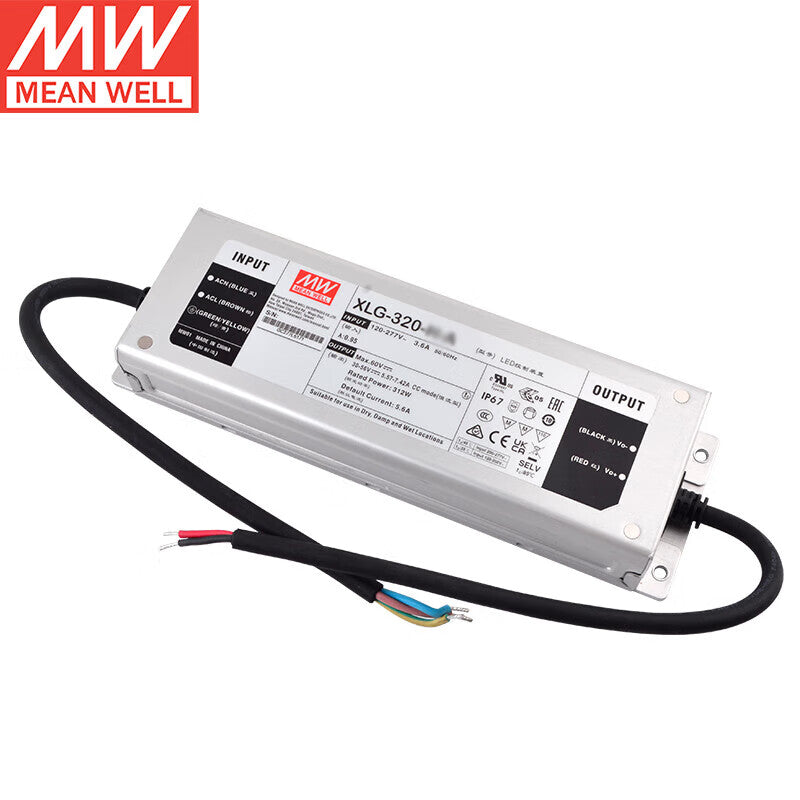
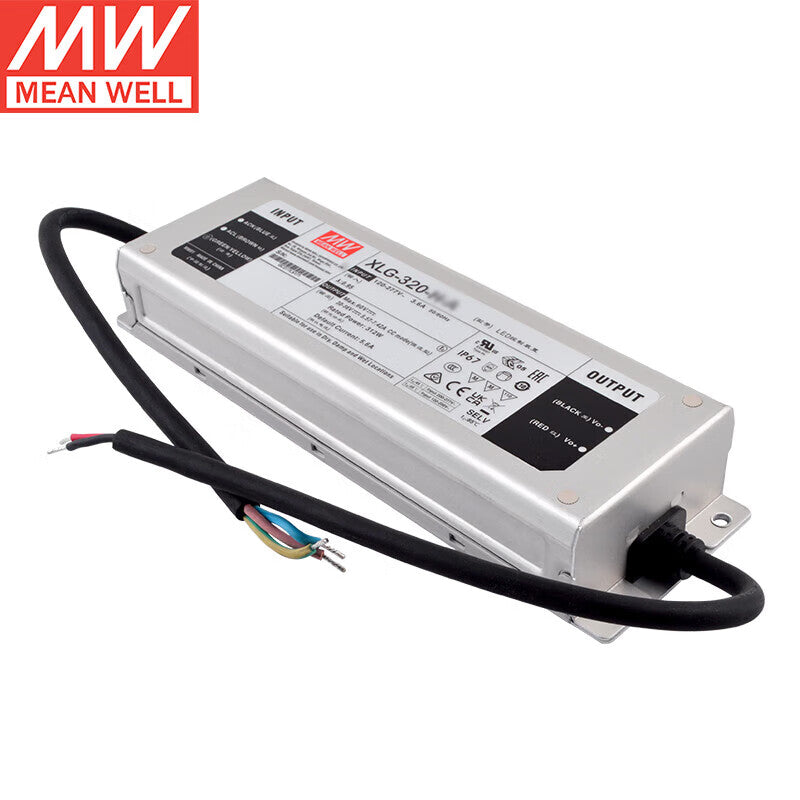
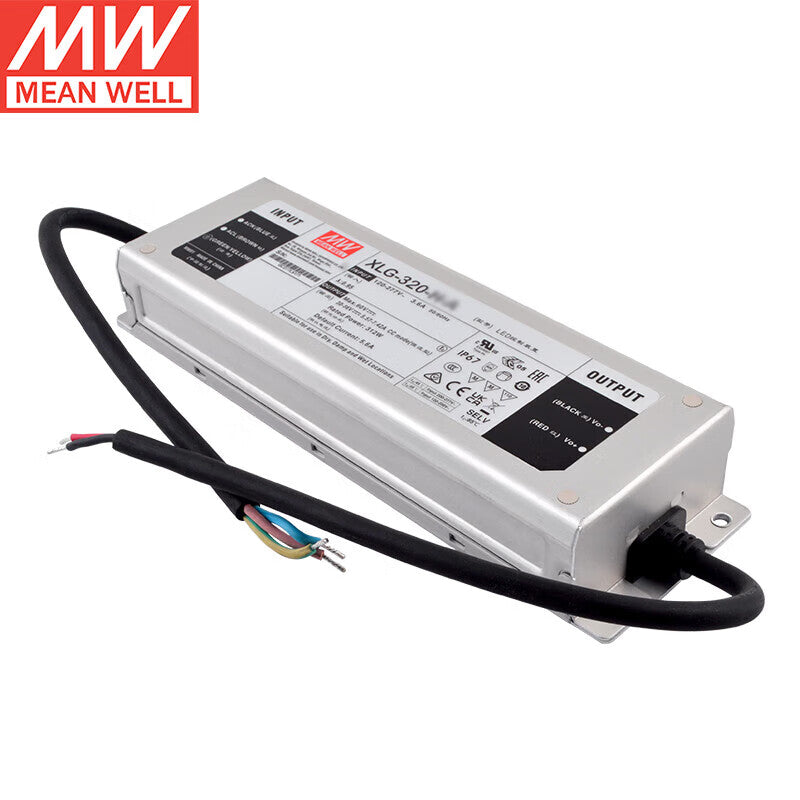
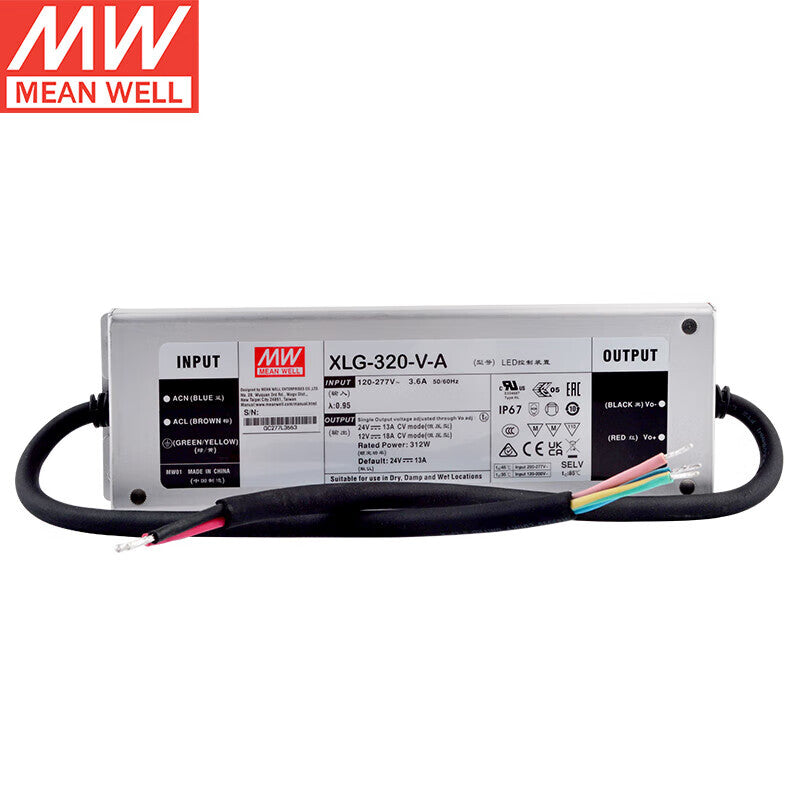
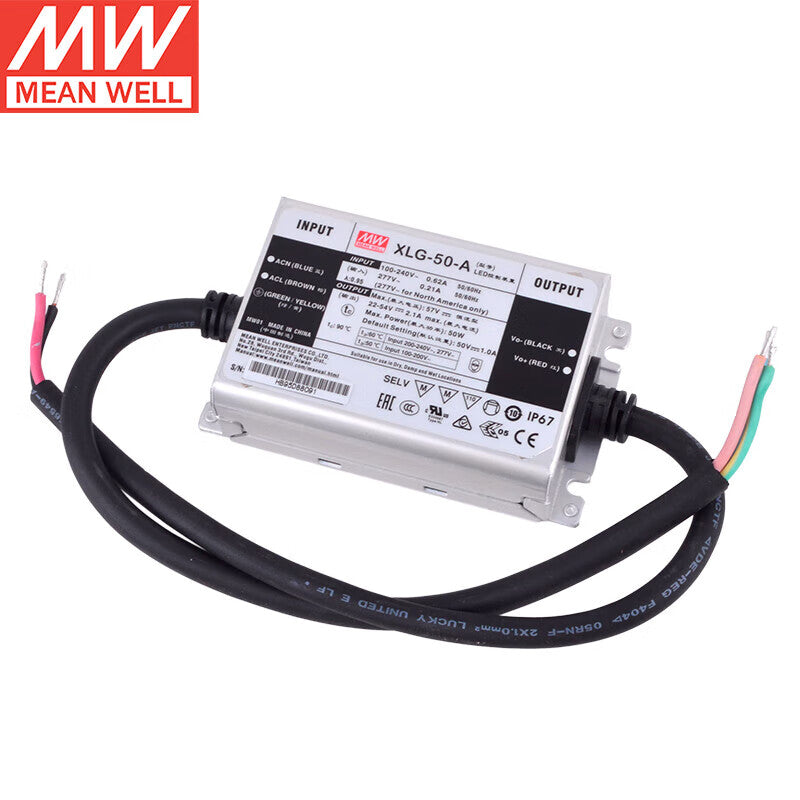
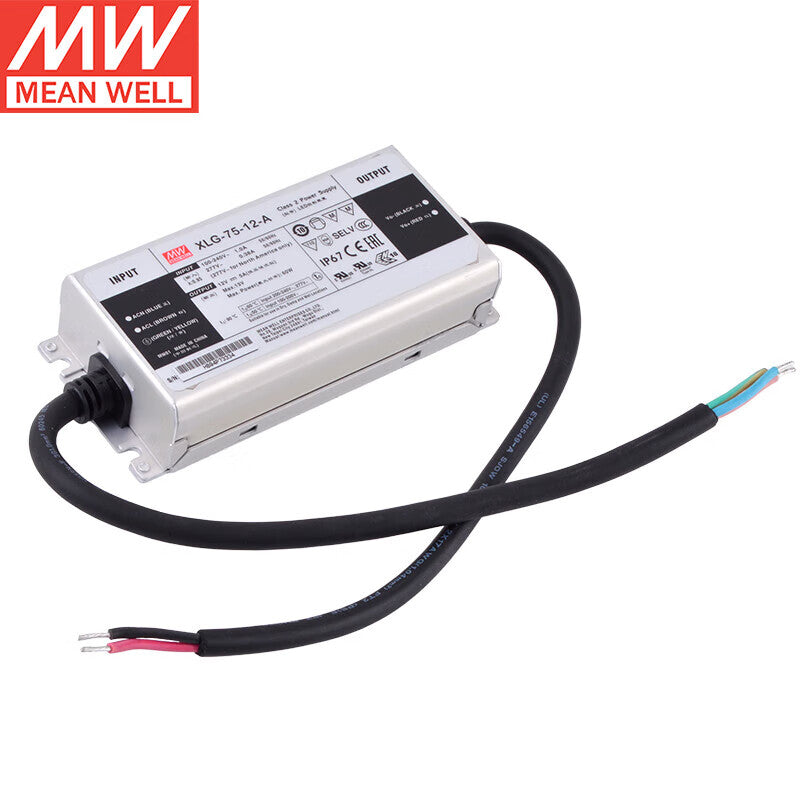
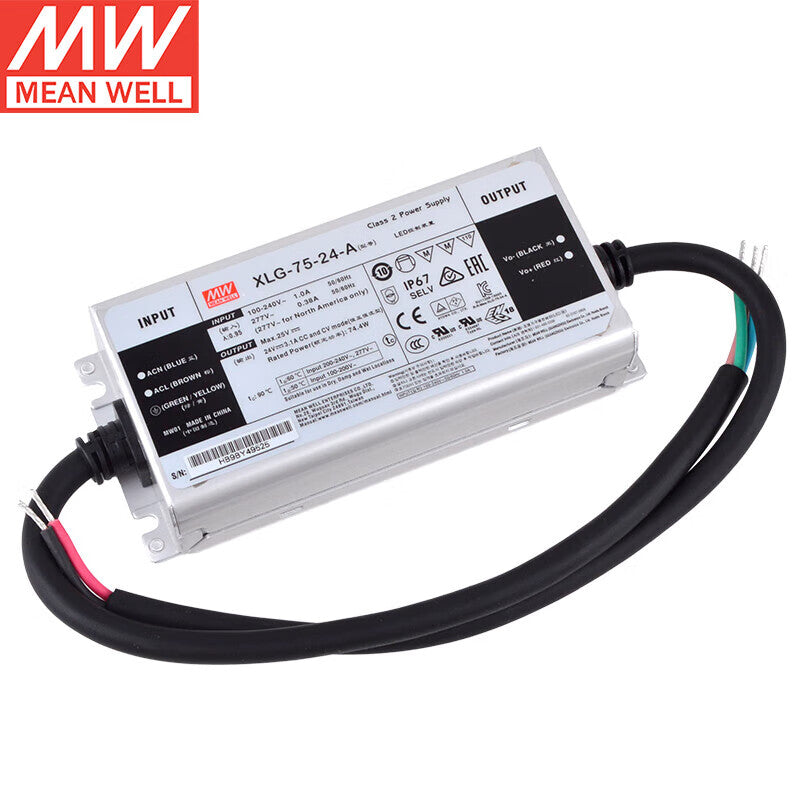
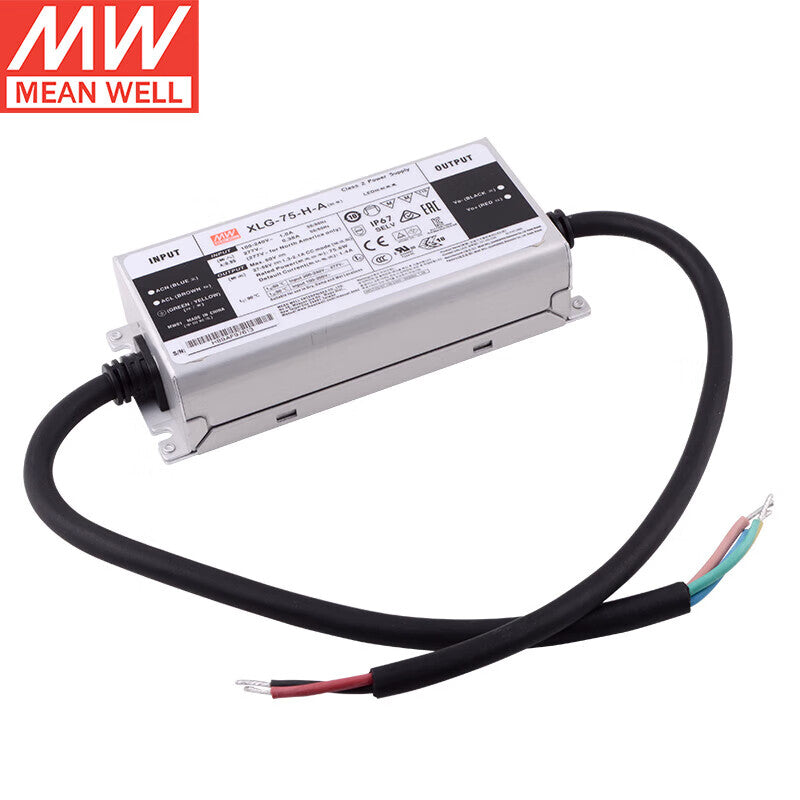
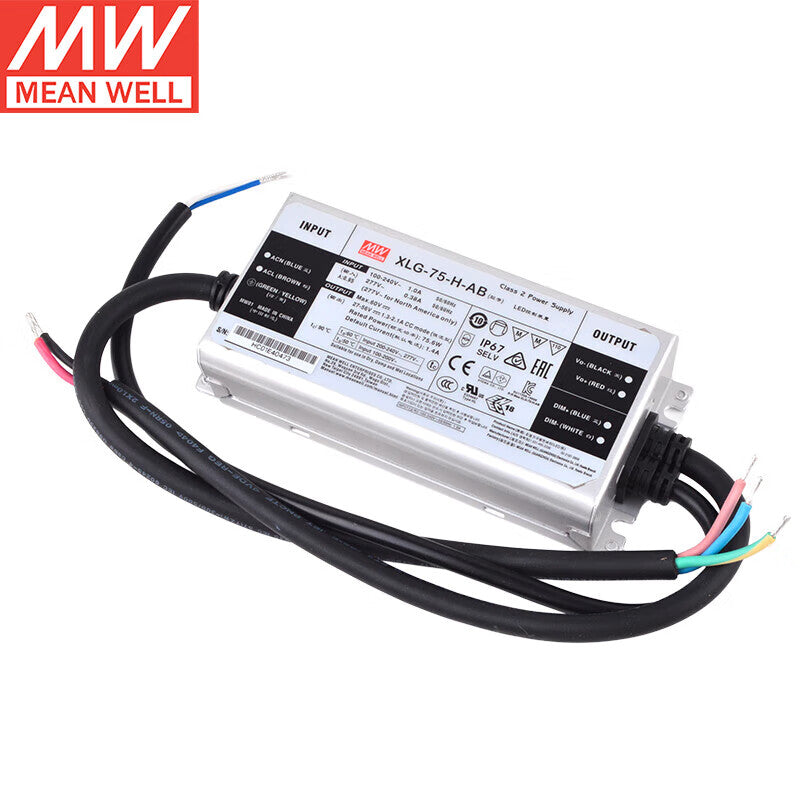
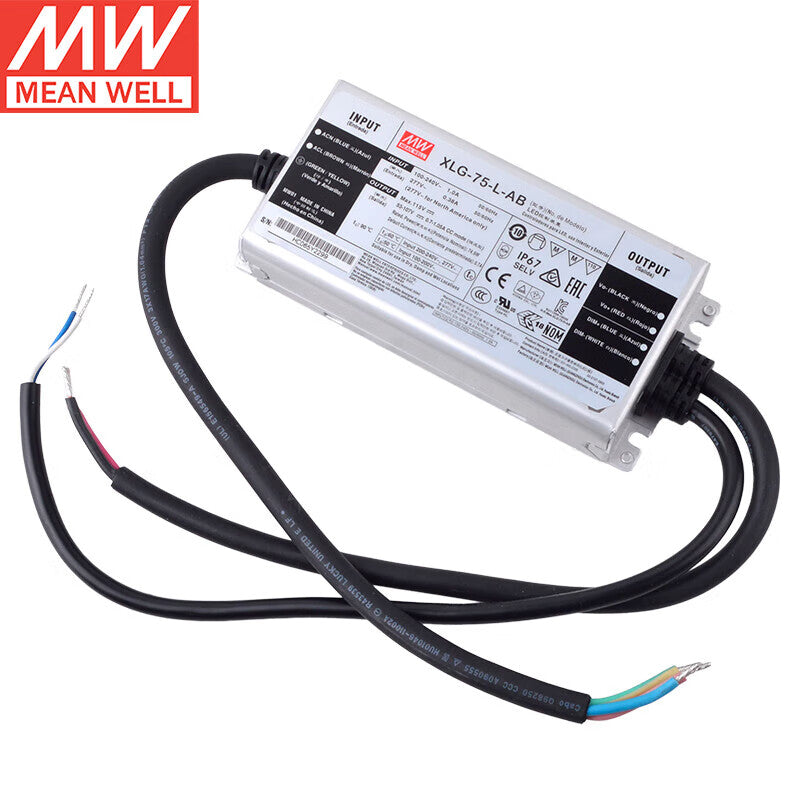
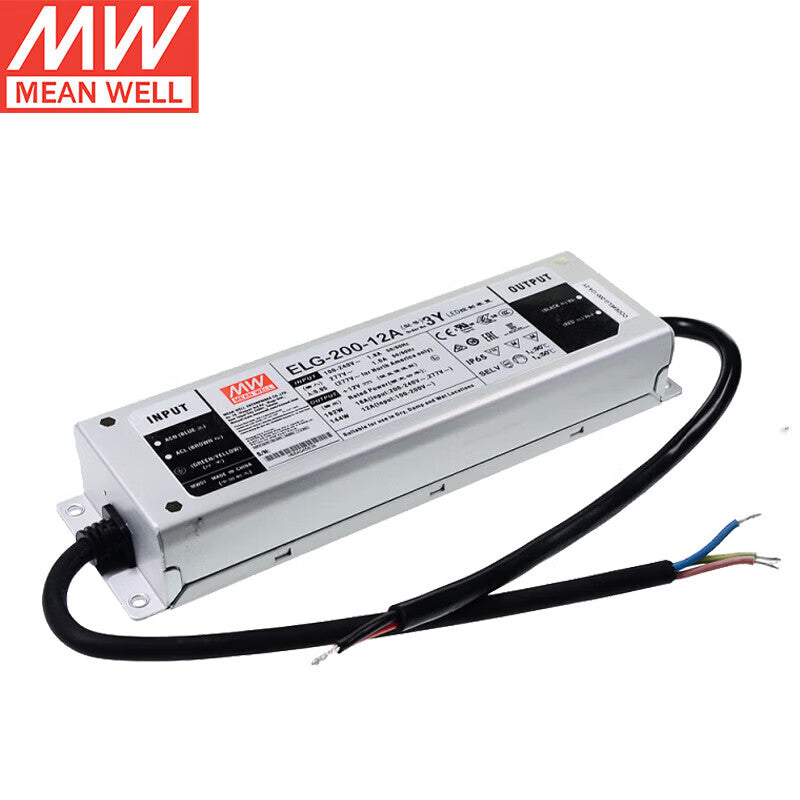
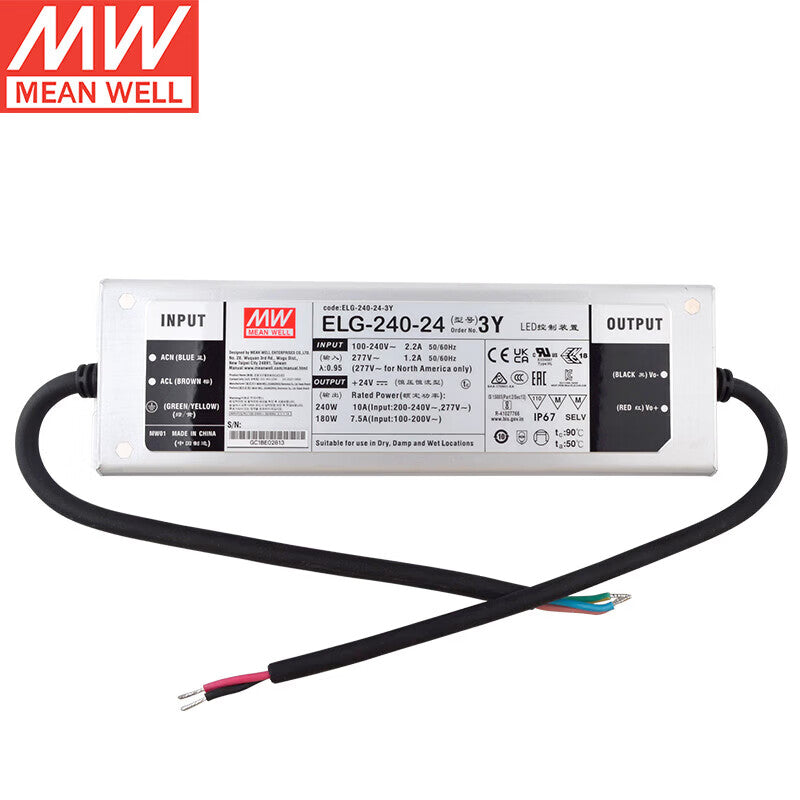
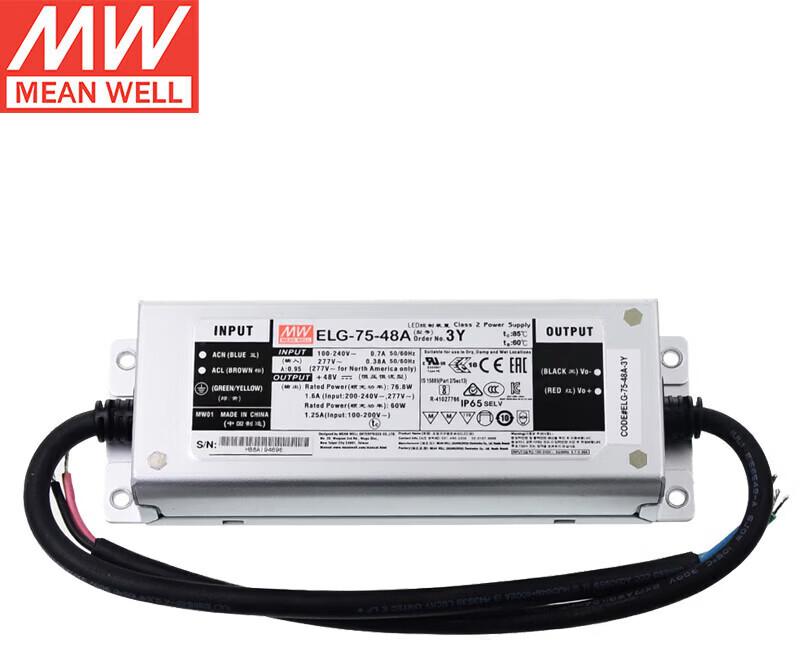
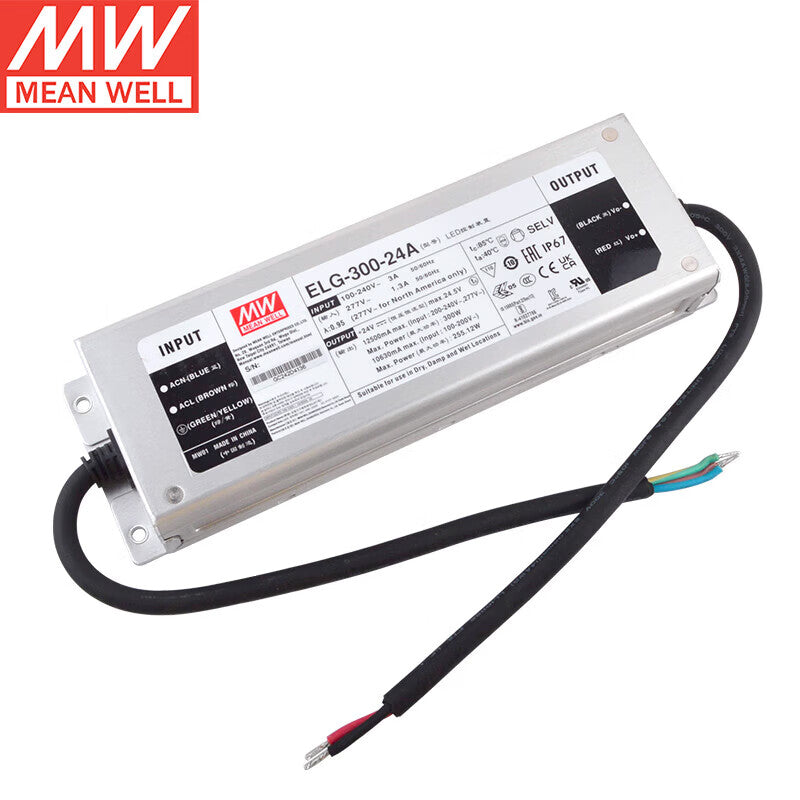
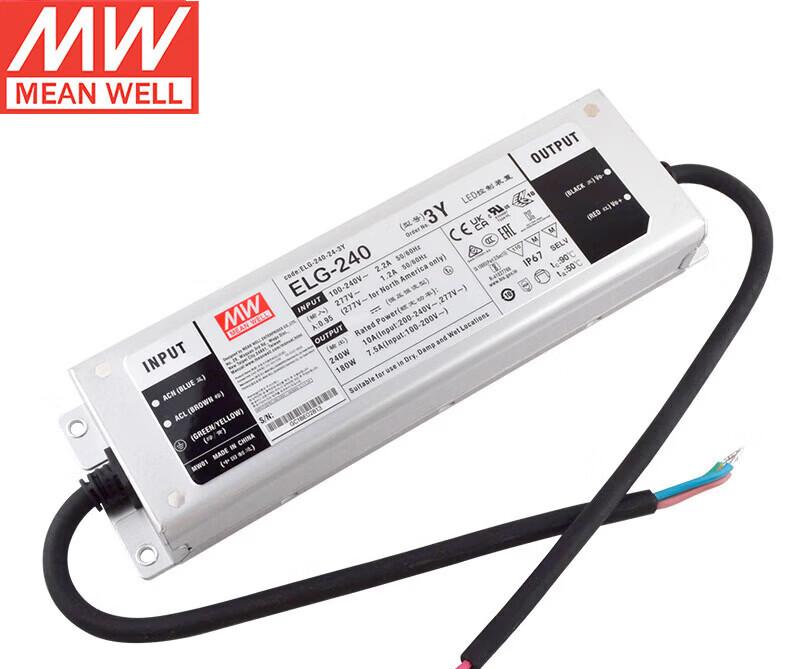
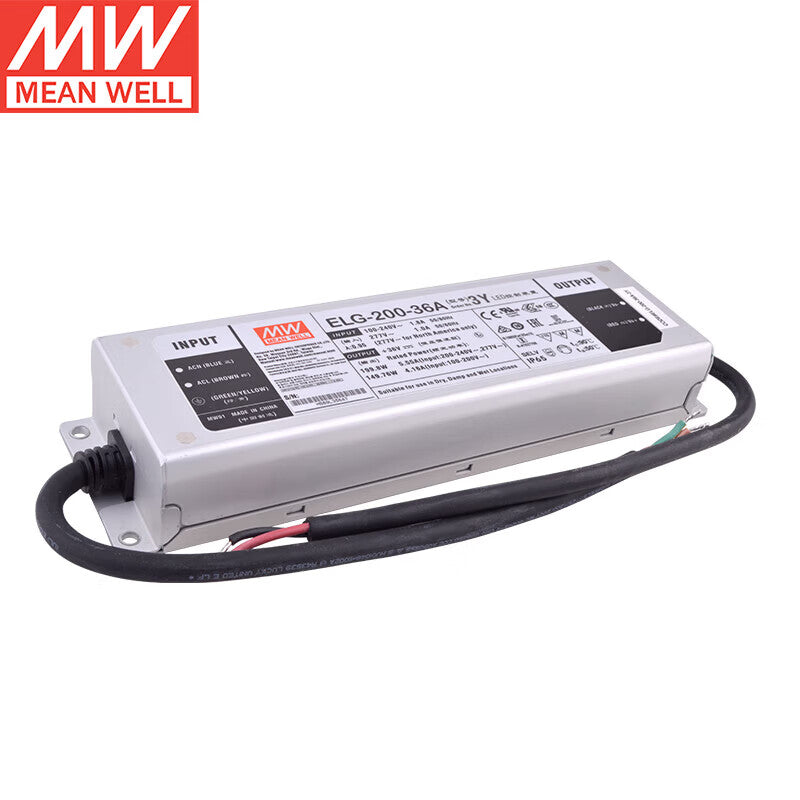
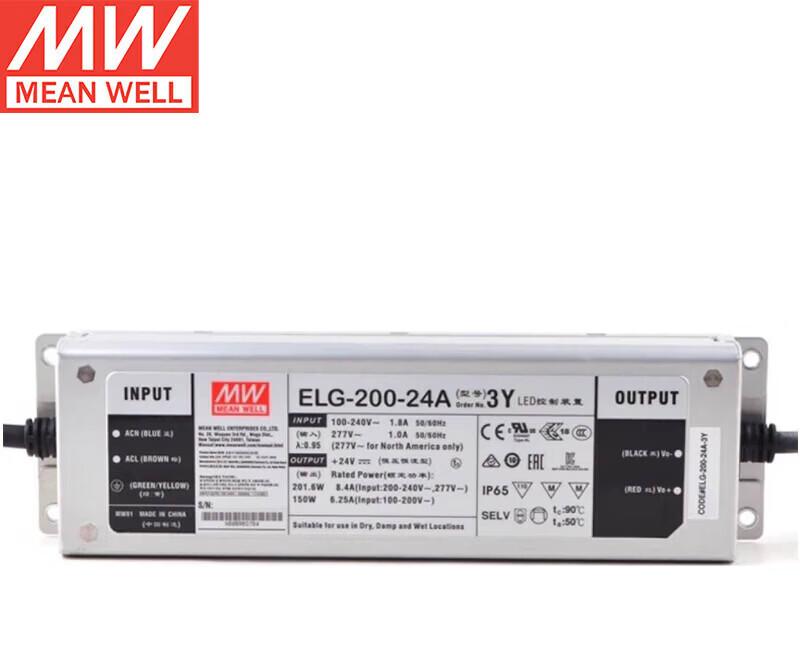
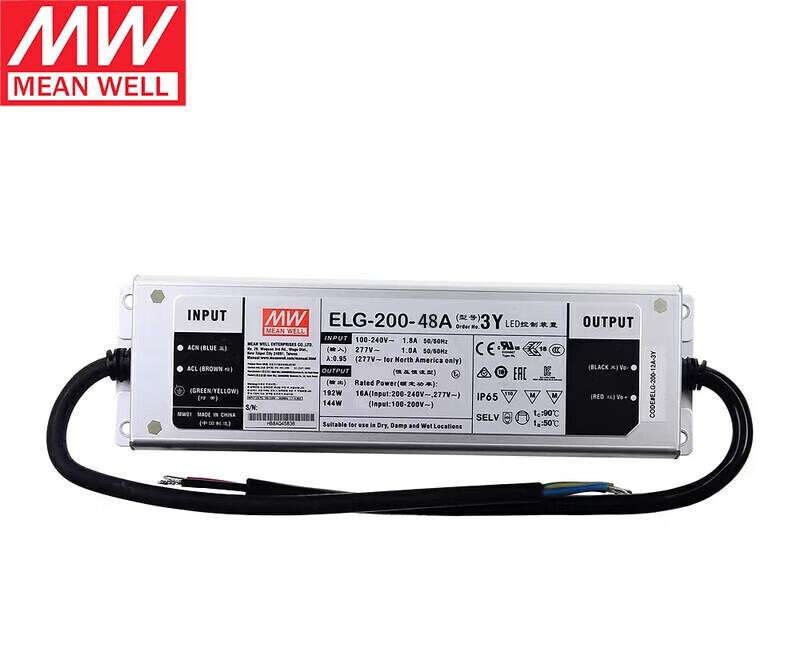
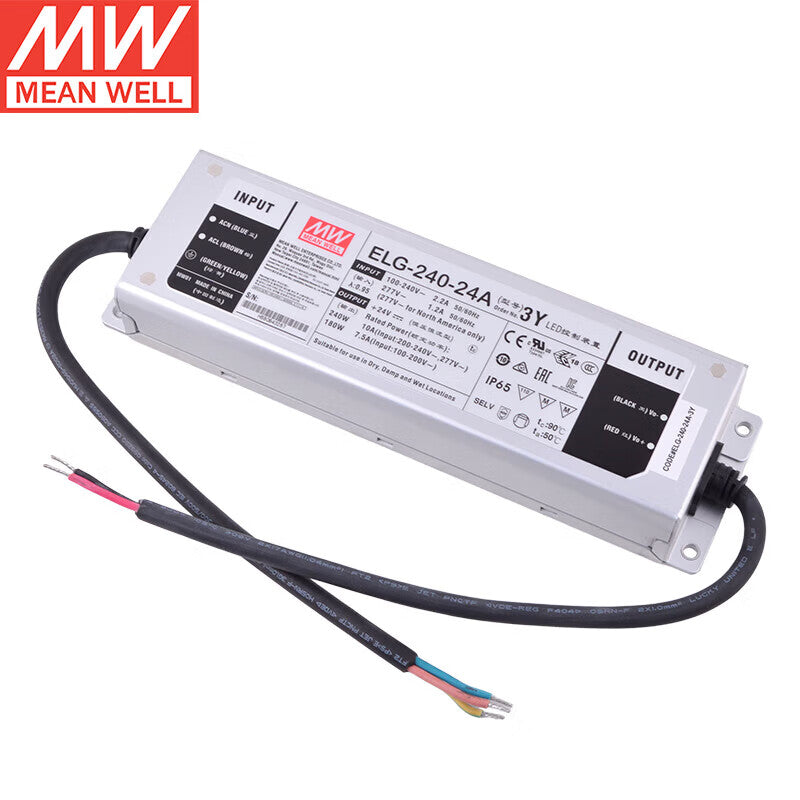
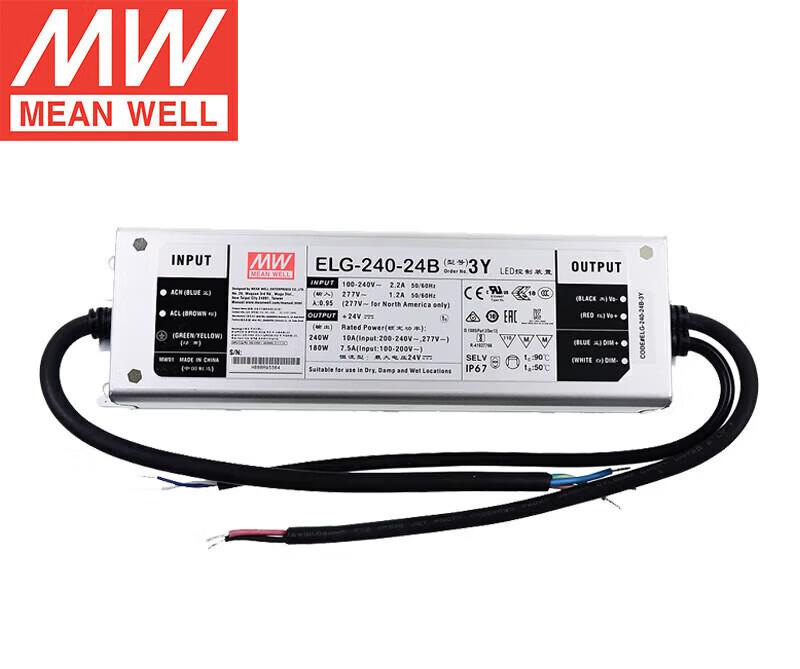
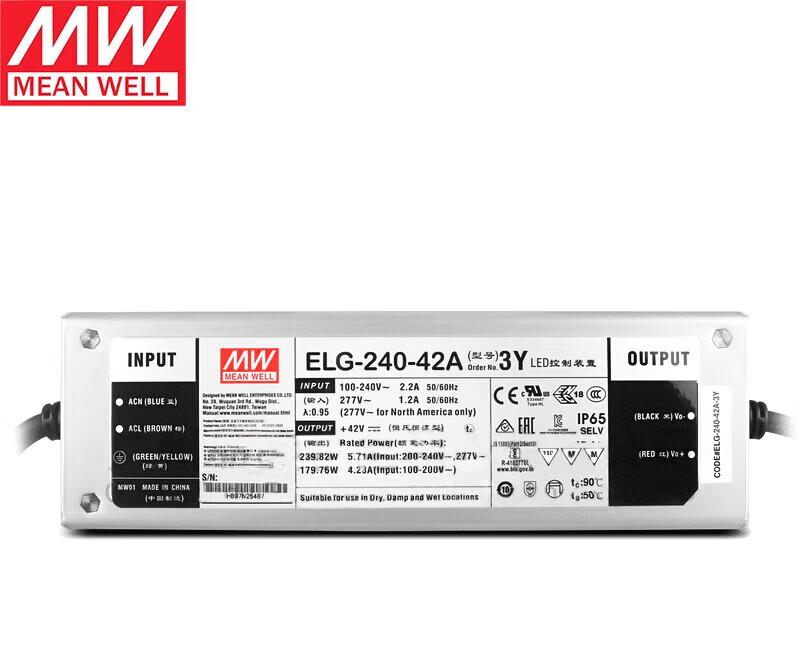
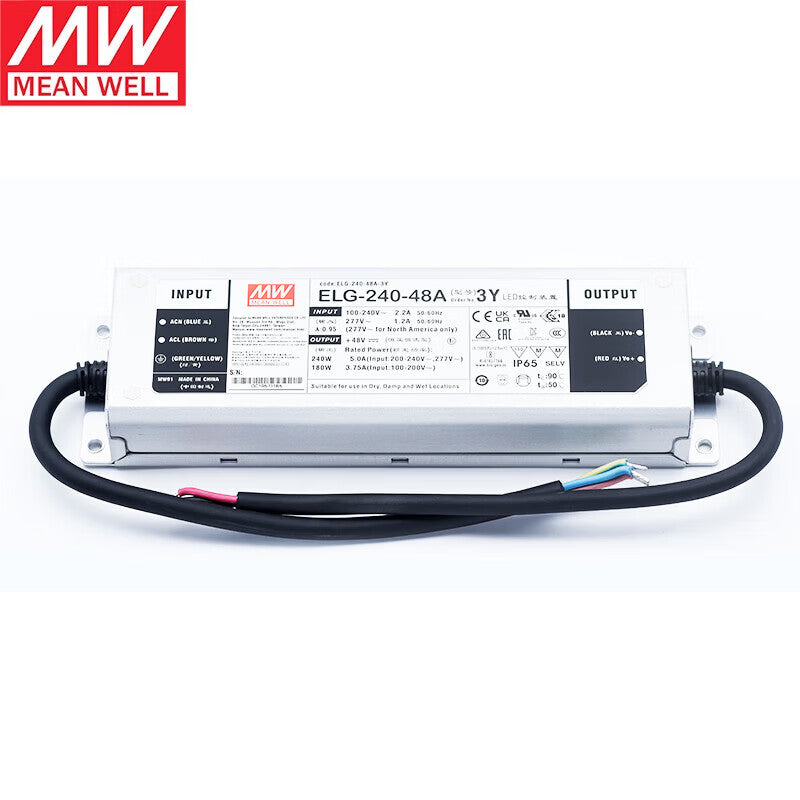
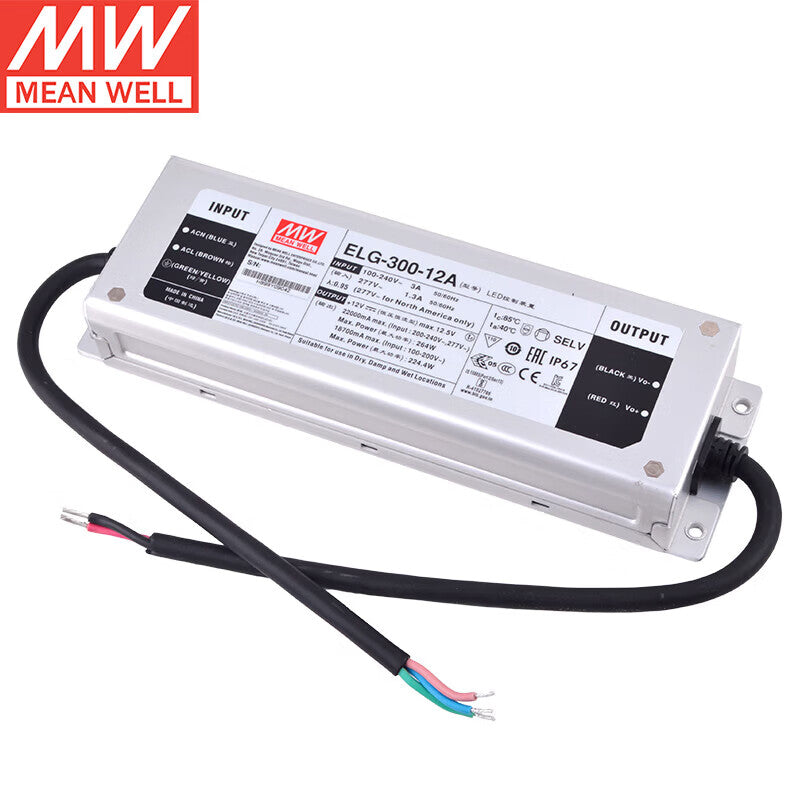
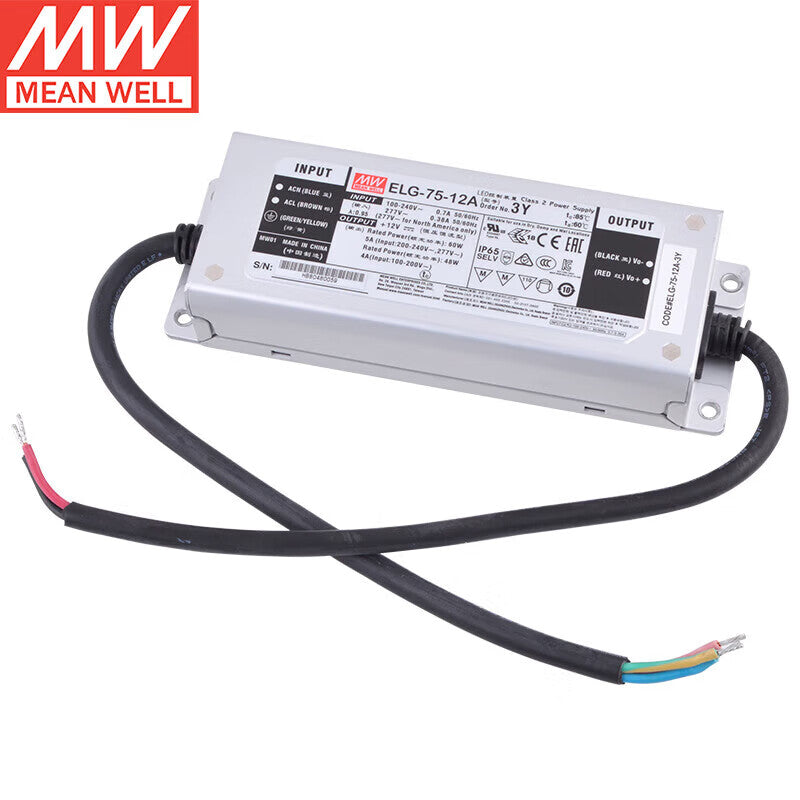
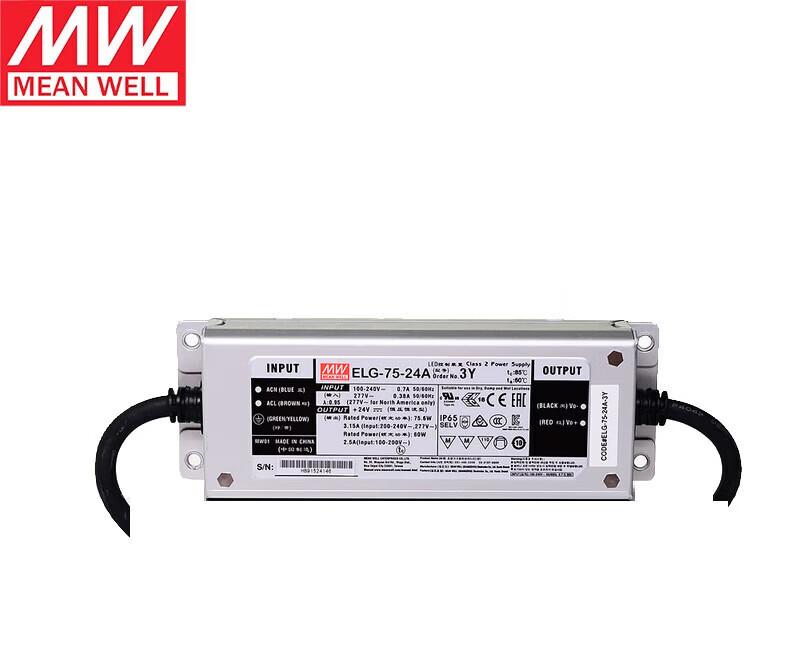
All C2PSU power supplies feature:
- Wide input range (90-264VAC) for global use
- Short-circuit and overload protection
- LED status indicators

