

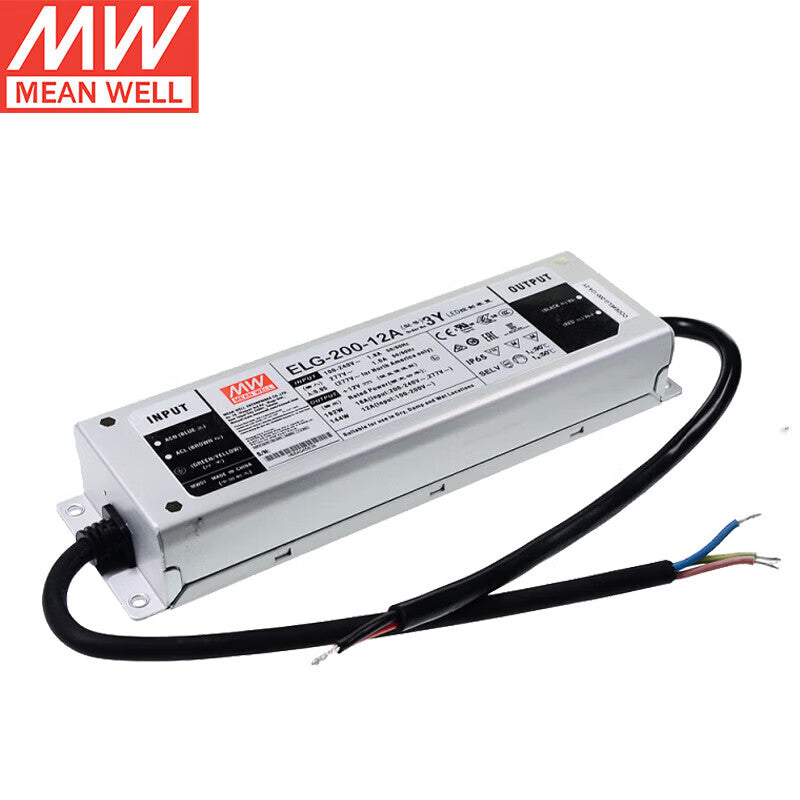
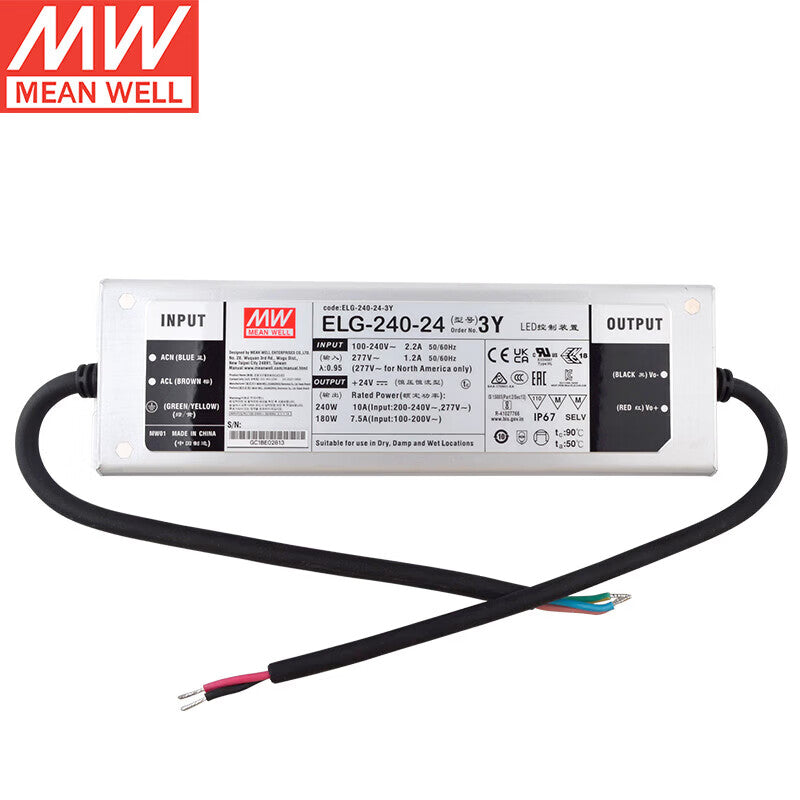
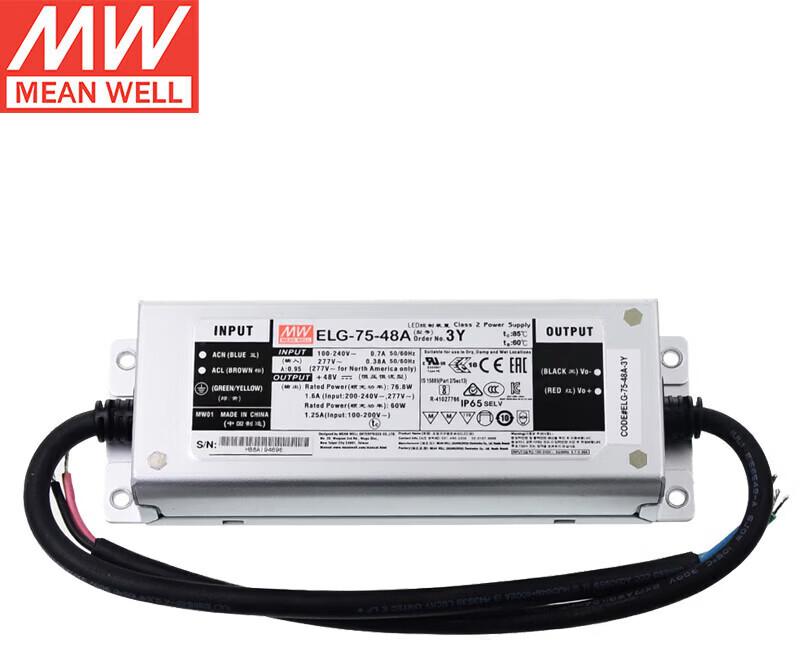
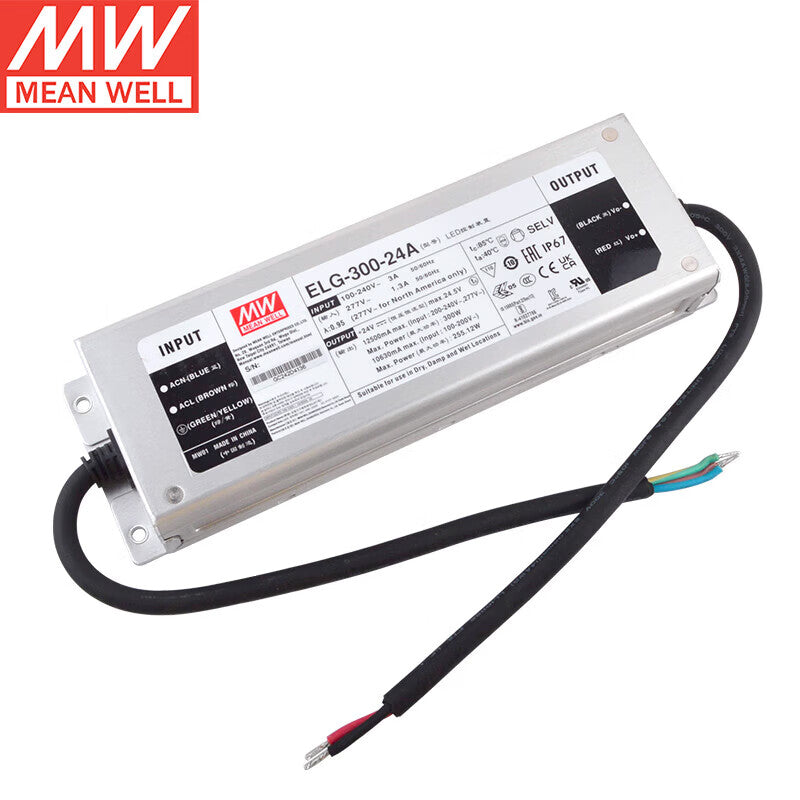


Introduction: Powering Your System from the Wall
From industrial machinery and medical devices to consumer electronics and telecommunications equipment, the AC-DC power supply serves as the critical bridge between the alternating current from your wall outlet and the stable, regulated direct current your electronic system requires. Selecting the right AC-DC power supply isn’t just about converting voltage—it’s about ensuring safety, reliability, efficiency, and compliance in a package that fits your application’s specific needs.
With thousands of options ranging from simple open-frame switchers to complex modular systems, the selection process can seem overwhelming. This guide provides a structured approach to evaluating and selecting the optimal AC-DC power supply for your application.
Part 1: Understanding Your Application Requirements
Determine Your Basic Electrical Specifications
Input Voltage Range
- Geographic Considerations: 85-265VAC (universal input) vs. 100-120VAC (North America) vs. 220-240VAC (Europe/Asia)
- Tolerance Requirements: ±10% is standard, but consider brownout conditions
- Frequency Range: 47-63Hz typically, but verify for specialized equipment
- Power Factor Expectations: Is active PFC required for your application or region?
Output Requirements
- Voltage and Current: Nominal values plus minimum and maximum tolerances
- Number of Outputs: Single, dual, triple, or configurable multiple outputs
- Power Sequencing: Critical for systems with microprocessors, FPGAs, or ASICs
- Holdup Time: How long must output remain stable after AC loss? (Typically 16-20ms)
Load Characteristics
- Constant vs. Variable: Will the load change dynamically?
- Peak vs. Continuous: Define peak power requirements and duration
- Capacitive Load: Some supplies have limitations on output capacitance
- Minimum Load: Many supplies require minimum loading for proper regulation
Part 2: Key Selection Criteria
Safety and Regulatory Compliance
Safety Standards by Application
- ITE/Office Equipment: IEC/EN/UL 62368-1 (replacing 60950-1)
- Medical Equipment: IEC/EN/UL 60601-1 (with varying leakage current requirements)
- Industrial Controls: IEC/EN/UL 61010-1
- Lighting Products: IEC/EN/UL 61347-1
Critical Safety Parameters
- Isolation Voltage: Basic (≤ 1,500V) vs. Reinforced (≥ 4,000V) for medical
- Creepage and Clearance: Distance requirements based on working voltage and pollution degree
- Leakage Current: Medical applications typically require < 100µA patient leakage
- Insulation System: Class I (grounded) vs. Class II (double-insulated)
Environmental and EMC Compliance
- EMI Standards: FCC Part 15, CISPR 32/EN 55032 (Emissions) and IEC/EN 61000-4-x (Immunity)
- Environmental Sealing: IP ratings for dust/water protection if needed
- RoHS/REACH: Material restrictions for specific markets
Efficiency and Thermal Considerations
Efficiency Standards and Programs
- 80 PLUS: Certification for computer power supplies (80% to 94% efficiency)
- Energy Star: Voluntary program for reduced standby power
- EU ErP Directive: Ecodesign requirements for energy-related products
- COC Tier 2: European Code of Conduct for external power supplies
Calculating Thermal Requirements
text复制下载
Power Loss = (Output Power / Efficiency) - Output Power
Temperature Rise ≈ Power Loss × Thermal Resistance
Thermal Management Options
- Convection Cooling: Passive, requires adequate ventilation
- Forced Air: Fan-cooled, higher power density but adds noise and reliability concerns
- Conduction Cooling: Metal baseplate transfers heat to chassis
- Derating Curves: Understand how maximum power reduces with temperature
Electrical Performance Specifications
Key Parameters to Evaluate
- Line Regulation: Output variation with input voltage changes (typically < 1%)
- Load Regulation: Output variation with load changes (typically < 1-5%)
- Ripple and Noise: High-frequency switching artifacts (20-200mV p-p typical)
- Transient Response: Recovery time after sudden load changes (50-500µs typical)
- Inrush Current: Peak current at turn-on (often limited to protect components)
Protection Features
- Over Voltage Protection (OVP): Automatic shutdown if output exceeds limit
- Over Current Protection (OCP): Current limiting or foldback
- Over Temperature Protection (OTP): Thermal shutdown
- Short Circuit Protection (SCP): Must survive continuous short circuit
- Surge/Transient Protection: MOVs or other suppression for input surges
Part 3: Form Factor and Mechanical Considerations
Common Form Factors
Enclosed (Desktop/Wall-Mount)
- Advantages: Complete safety isolation, aesthetic appearance
- Applications: Consumer electronics, peripherals, test equipment
- Considerations: Size, weight, thermal dissipation
Open Frame (Board Mount)
- Advantages: Compact, cost-effective, integrated into equipment
- Applications: Industrial controls, embedded systems, instrumentation
- Considerations: Requires proper enclosure for safety, mechanical mounting
Modular/Configurable
- Advantages: Customizable outputs, scalable power
- Applications: Telecom, data centers, test systems
- Considerations: Higher cost, larger footprint
DIN Rail Mount
- Advantages: Easy installation in industrial cabinets
- Applications: Factory automation, process control, PLC systems
- Considerations: Specific to industrial environments
Mechanical Requirements Checklist
- Dimensions: Fit within allocated space
- Mounting: Screw holes, brackets, or DIN rail clips
- Connectors: Terminal blocks, screw terminals, or connectors
- Weight: Especially important for portable or wall-mounted equipment
- Orientation: Any mounting position restrictions for cooling?
- Vibration/Shock: Requirements for transportation or harsh environments
Part 4: Application-Specific Considerations
Medical Applications
Critical Requirements
- Patient Protection: 2 Means of Patient Protection (2MOPP) typically required
- Leakage Current: < 100µA patient leakage, < 300µA earth leakage
- Isolation: Typically ≥ 4,000VAC input-output isolation
- Reliability: Often requires redundant or fault-tolerant designs
- Standards: IEC 60601-1 3rd Edition with collateral standards
Industrial Applications
Key Considerations
- Operating Temperature: -40°C to +85°C often required
- Input Range: Wide range (85-305VAC) for unstable grids
- Protection: High immunity to transients, surges, and dips
- Longevity: 5-10 year lifespan in continuous operation
- Standards: IEC 61010-1 for measurement/control equipment
LED Lighting
Special Requirements
- Constant Current vs. Constant Voltage: Match driver type to LED configuration
- Dimming Compatibility: TRIAC, 0-10V, PWM, or DALI control
- Efficiency: High efficiency critical for thermal management
- Power Factor: >0.9 often required for commercial installations
- Standards: UL 8750 for LED equipment, UL 1310 for Class 2 drivers
IT/Server Applications
Important Factors
- Efficiency: 80 PLUS Platinum or Titanium for data centers
- Hot-Swap Capability: For redundant power systems
- Power Management: PMBus or other digital communication
- Holdup Time: Typically ≥ 16ms to ride through brief outages
- Redundancy: N+1 or 2N configurations for critical systems
Part 5: The Selection Process
Step-by-Step Methodology
Phase 1: Requirement Gathering
- Create a detailed specification sheet
- Identify must-have vs. nice-to-have features
- Consider future requirements and scalability
- Document environmental and regulatory constraints
Phase 2: Market Research
- Identify potential suppliers with appropriate certifications
- Request datasheets and application notes
- Check for evaluation boards or samples
- Review manufacturer reputation and support capabilities
Phase 3: Technical Evaluation
- Compare key specifications side-by-side
- Calculate efficiency at your operating points
- Verify thermal performance in your application
- Review protection features and reliability data (MTBF)
Phase 4: Compliance Verification
- Confirm all necessary safety certifications
- Verify EMC performance meets your requirements
- Check for environmental and material compliance
- Review test reports and certification documentation
Phase 5: Cost Analysis
- Calculate total cost of ownership (not just unit price)
- Consider design-in costs and time to market
- Evaluate manufacturing and assembly implications
- Factor in warranty, support, and lifecycle costs
Part 6: Common Pitfalls and How to Avoid Them
Mistake 1: Underestimating Inrush Current
Problem: Circuit breakers trip or fuses blow during startup
Solution: Specify supplies with soft-start or active inrush limiting, ensure branch circuit can handle inrush
Mistake 2: Ignoring Ambient Temperature
Problem: Supply overheats and shuts down or fails prematurely
Solution: Apply proper derating, verify thermal design with worst-case calculations
Mistake 3: Overlooking EMI/EMC
Problem: System fails emissions or immunity testing
Solution: Select supplies with appropriate EMI filtering, budget for additional filtering if needed
Mistake 4: Neglecting Holdup Time
Problem: System resets during brief power interruptions
Solution: Verify holdup time meets application requirements, consider adding external capacitance
Mistake 5: Assuming Universal Compliance
Problem: Supply has certifications but not for your specific application
Solution: Verify certifications match your end equipment classification
Part 7: Testing and Validation
Pre-Selection Testing
- Basic Functionality: Verify operation at nominal conditions
- Efficiency Measurement: Confirm at multiple load points
- Thermal Imaging: Identify hot spots under load
- Transient Testing: Evaluate response to load steps
Compliance Testing
- Safety Testing: Dielectric withstand, leakage current, ground continuity
- EMC Pre-compliance: Spectrum analyzer measurements of emissions
- Environmental Testing: If applicable for your application
- Longevity Testing: Burn-in or accelerated life testing for critical applications
System Integration Testing
- Interface Testing: Connectors, cables, and mounting
- System Thermal: Performance in actual enclosure
- Endurance Testing: Extended operation under realistic conditions
- Field Testing: If possible, in actual deployment environment
Part 8: Emerging Trends and Future Considerations
Digital Power Management
- PMBus/SMBus: Communication for monitoring and control
- Adaptive Efficiency: Optimizes performance based on load
- Predictive Maintenance: Monitors component aging and predicts failures
GaN and SiC Technology
- Higher Efficiency: Reduces switching losses
- Higher Frequency: Enables smaller magnetics
- Higher Density: More power in smaller packages
Sustainability Requirements
- Higher Efficiency Standards: Continually tightening requirements
- Material Restrictions: Expanding lists of restricted substances
- Circular Economy: Design for disassembly and recycling
Conclusion: A Methodical Approach to AC-DC Selection
Selecting the right AC-DC power supply is a critical decision that impacts every aspect of your product’s performance, safety, and marketability. By following a structured selection process that prioritizes:
- Clear requirement definition
- Thorough technical evaluation
- Comprehensive compliance verification
- Realistic testing and validation
You can avoid common pitfalls and select a power supply that not only meets your immediate needs but also supports the long-term success of your product.
Remember that the cheapest option often becomes the most expensive when considering field failures, redesign costs, or compliance issues. Investing time in proper selection upfront pays dividends throughout your product’s lifecycle.
As power supply technology continues to evolve with higher efficiencies, greater integration, and smarter features, staying informed about these developments will help you make even better selections for future designs.
*Final Recommendation: Always request samples of your top 2-3 choices for hands-on evaluation. Real-world testing often reveals important differences not apparent from datasheets alone. Most reputable manufacturers provide samples and technical support to help you make the best selection for your specific application.*

