
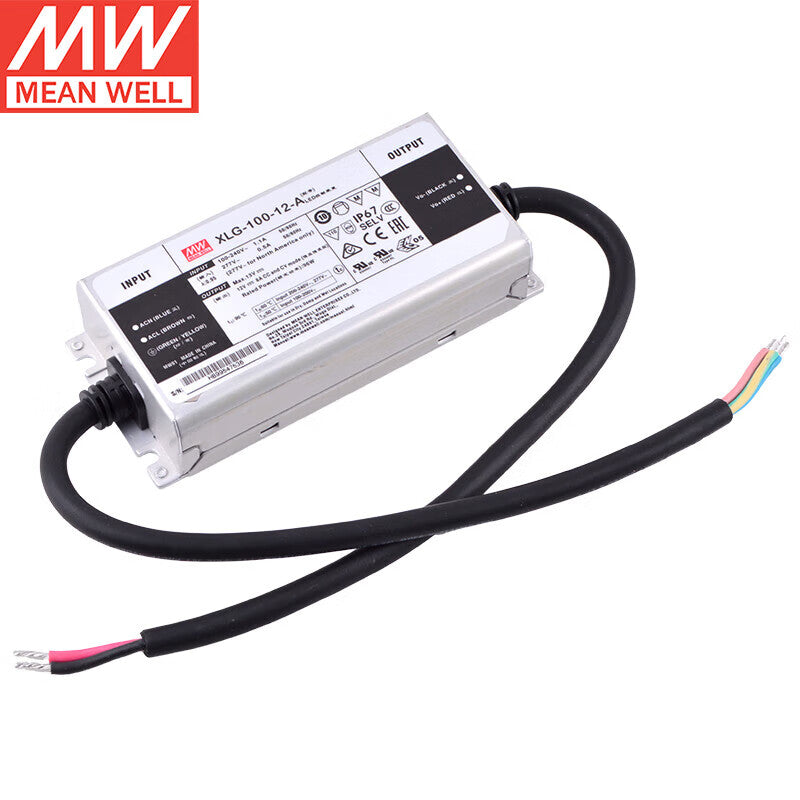
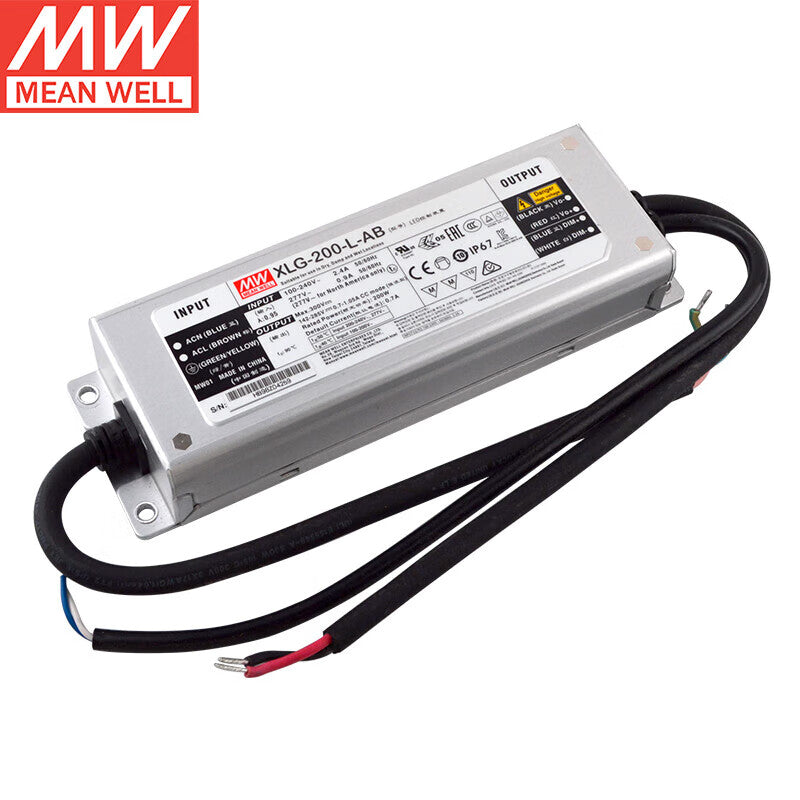
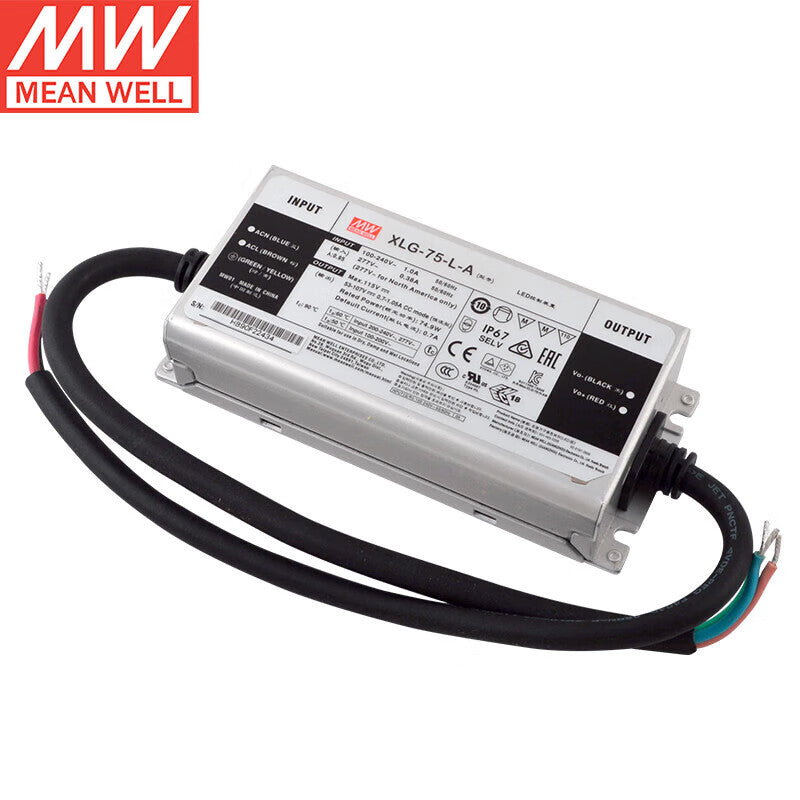
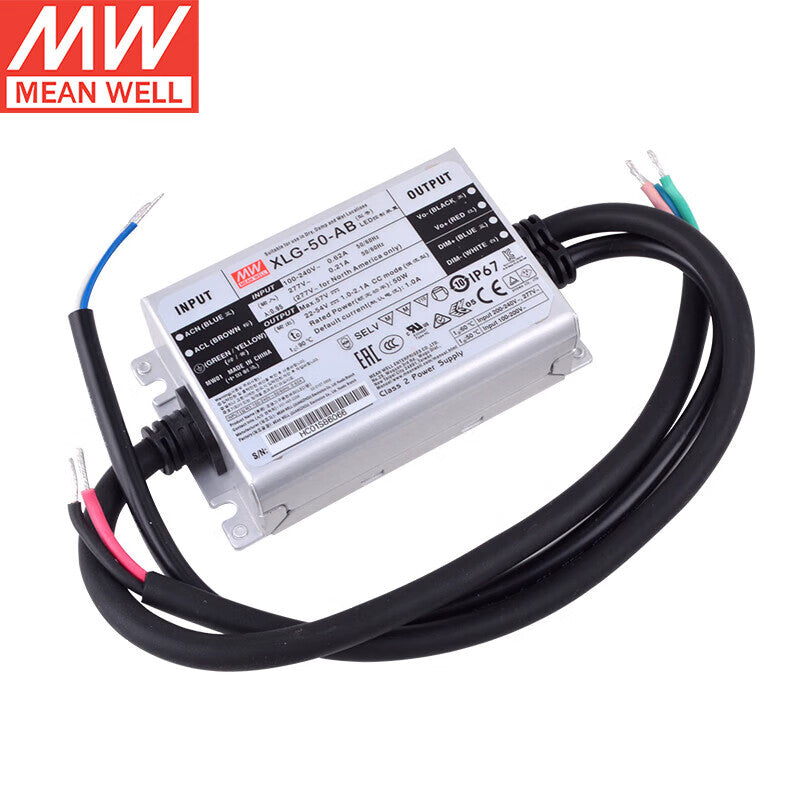

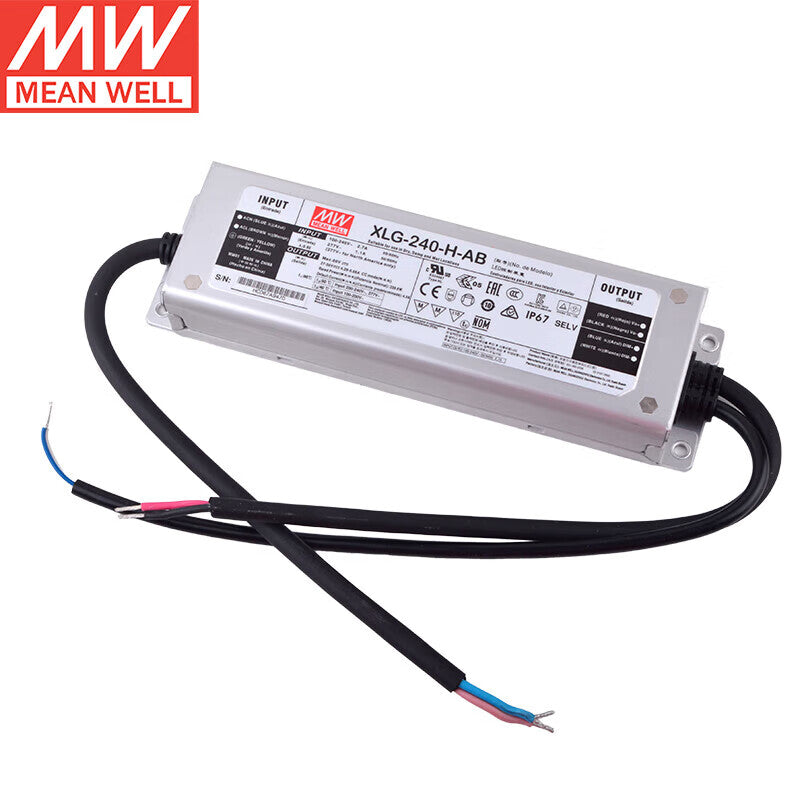
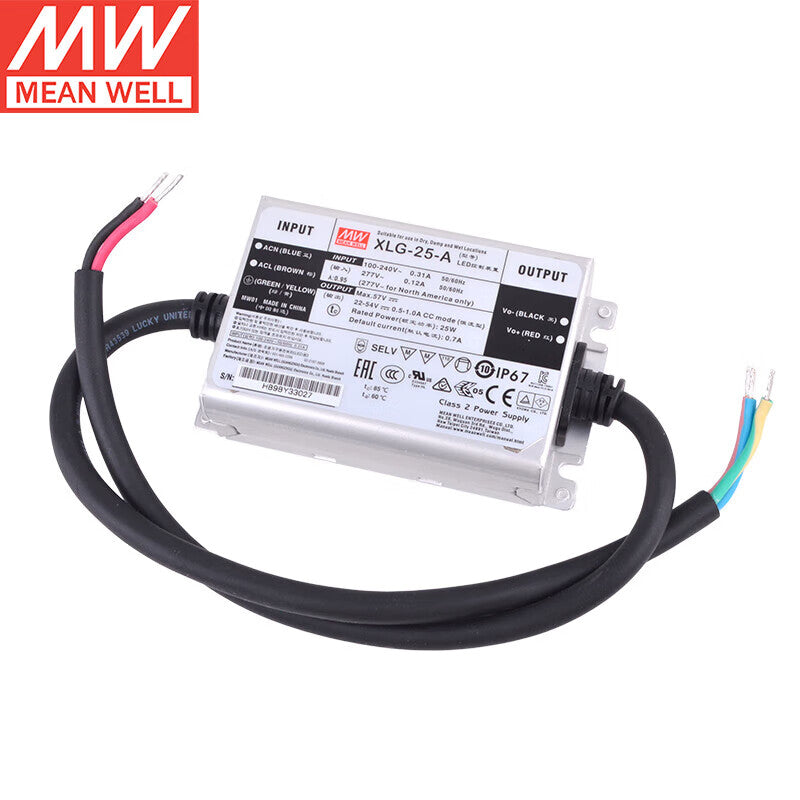
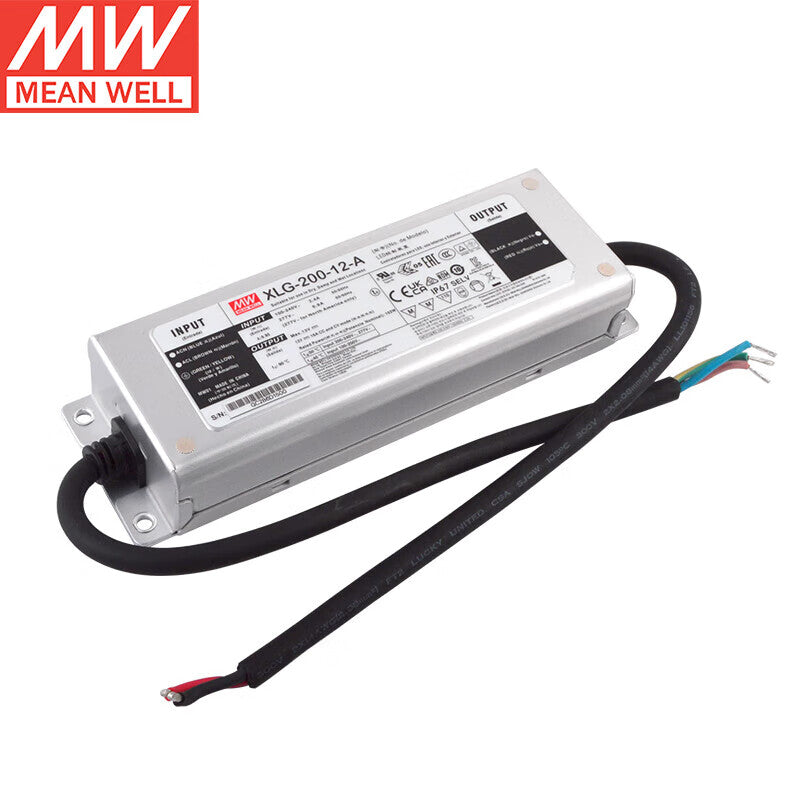
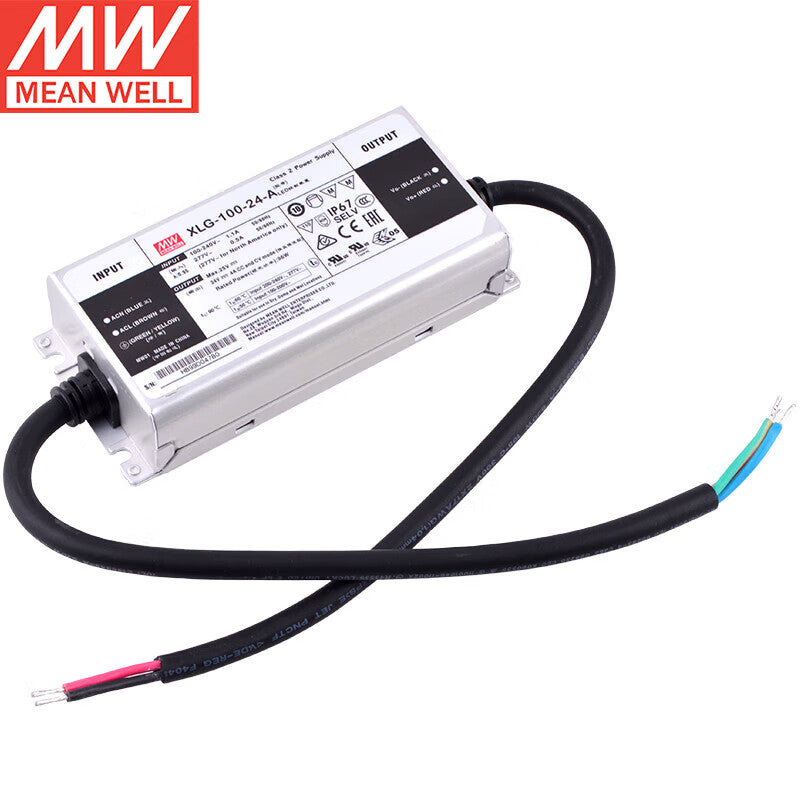
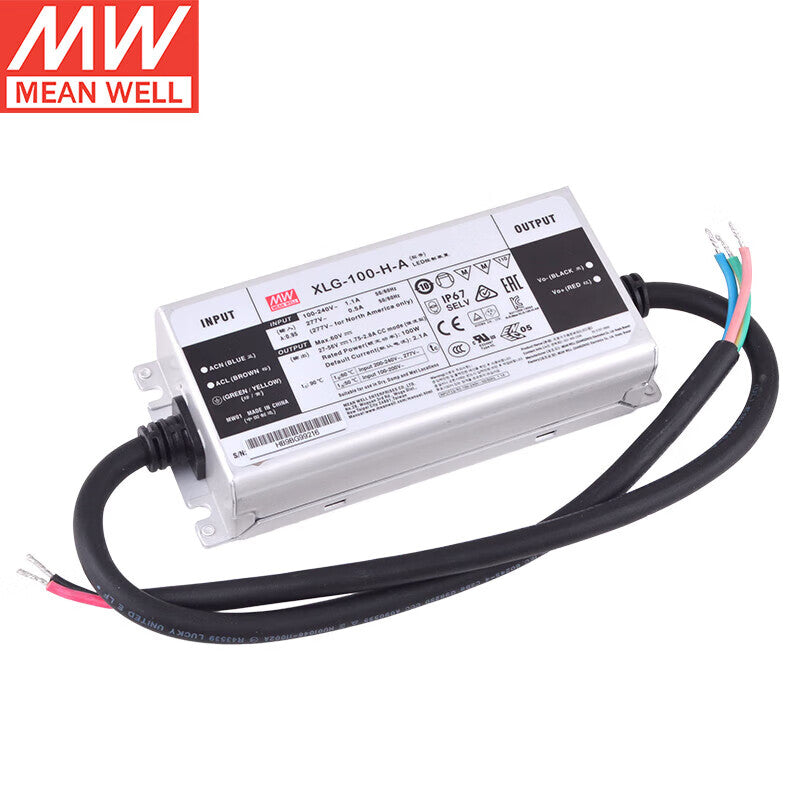
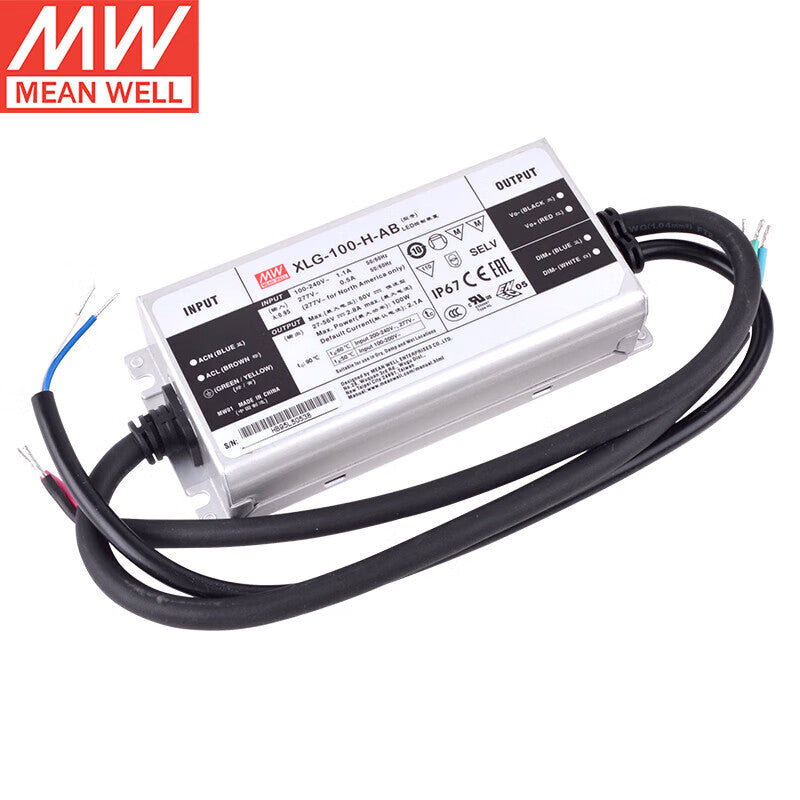
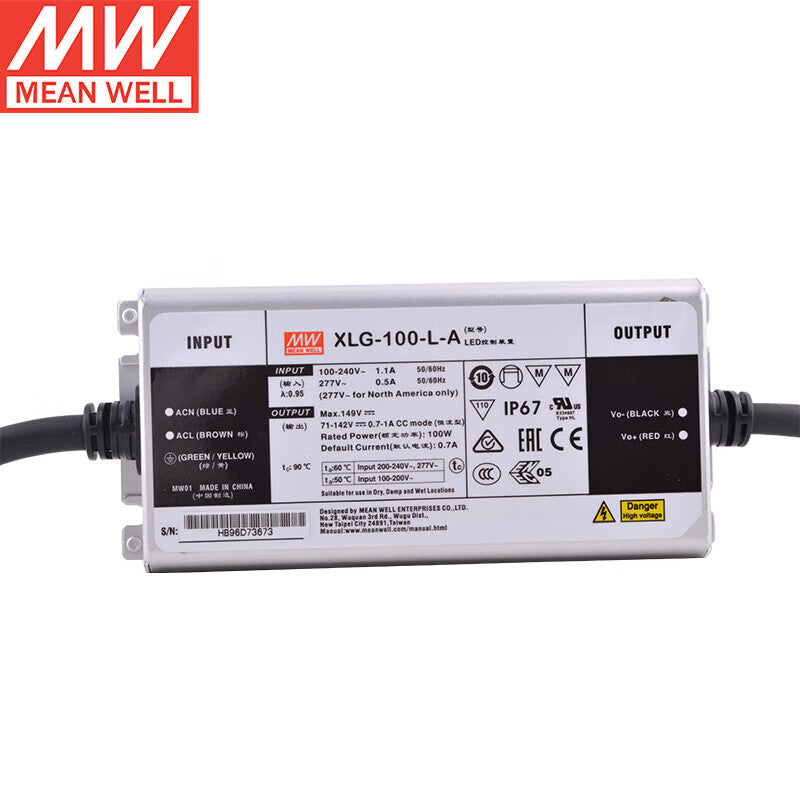
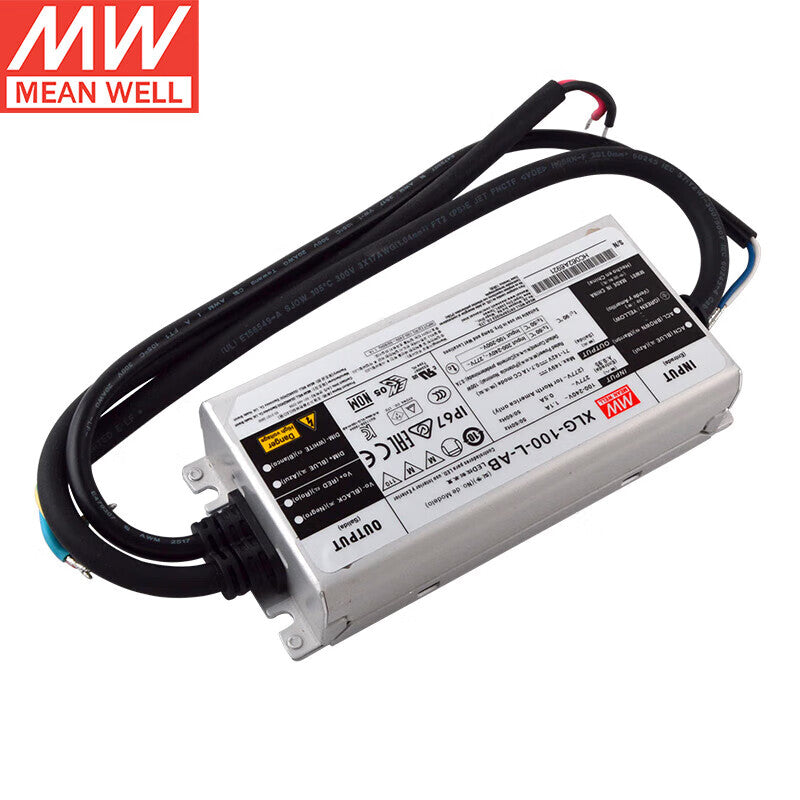
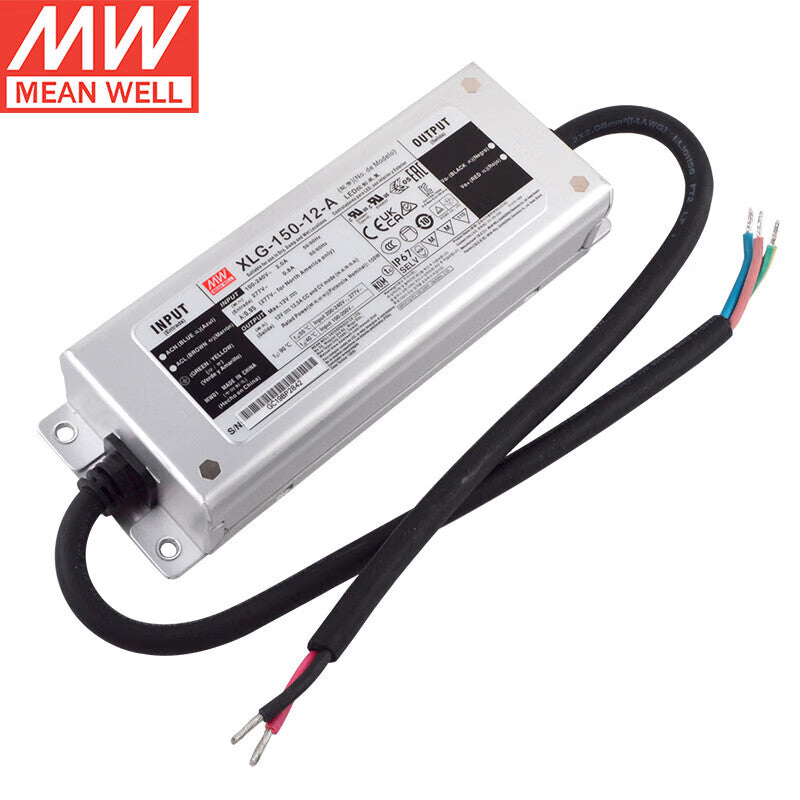
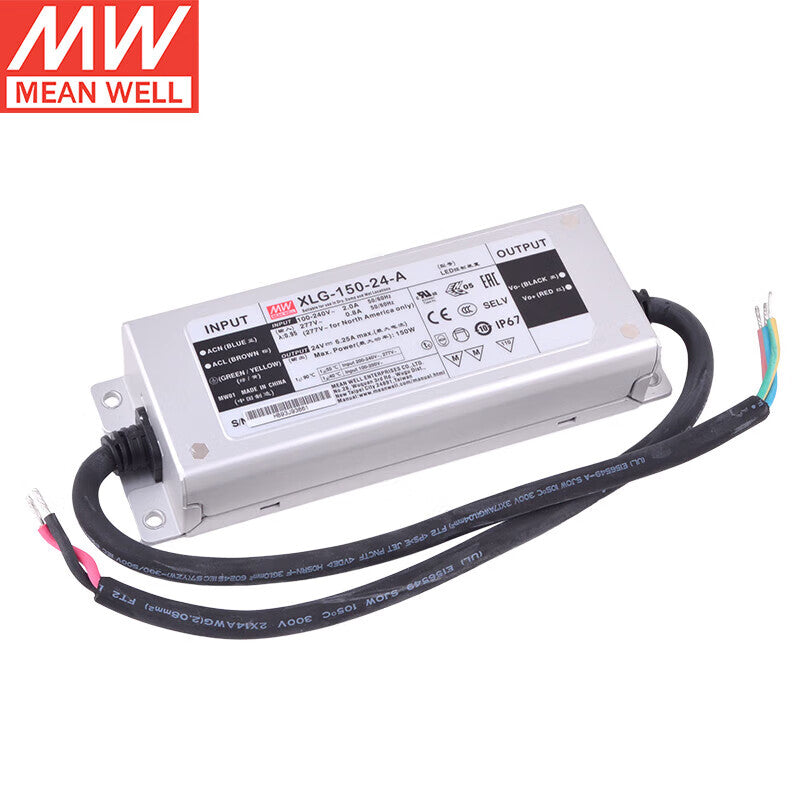
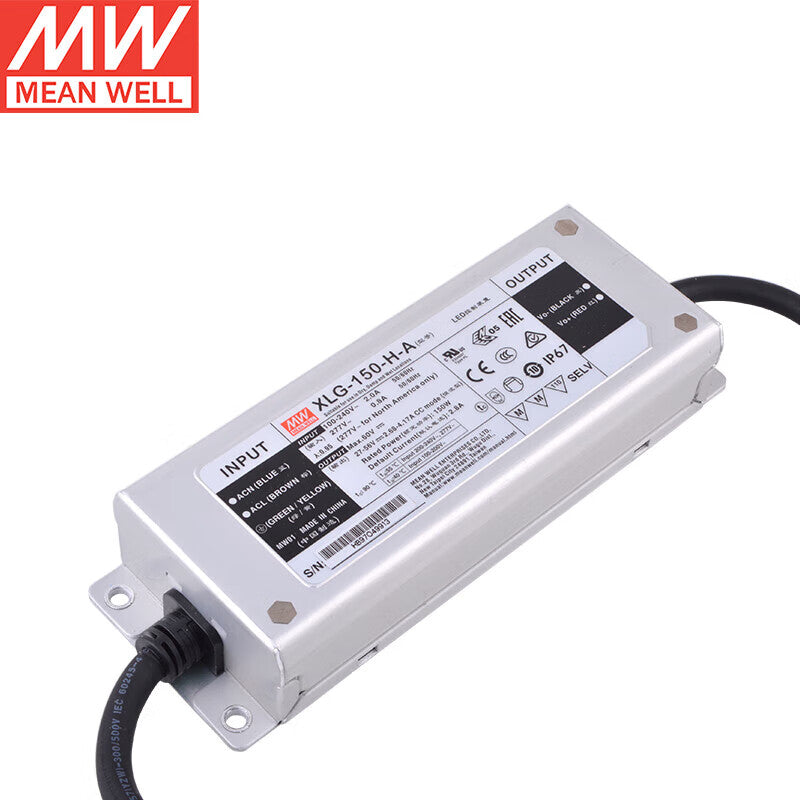
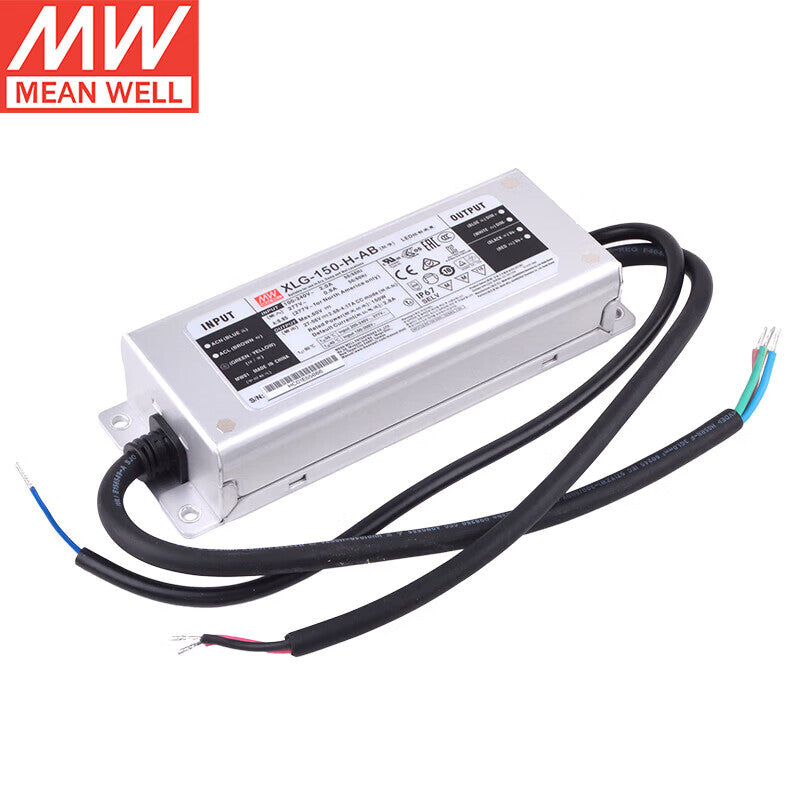
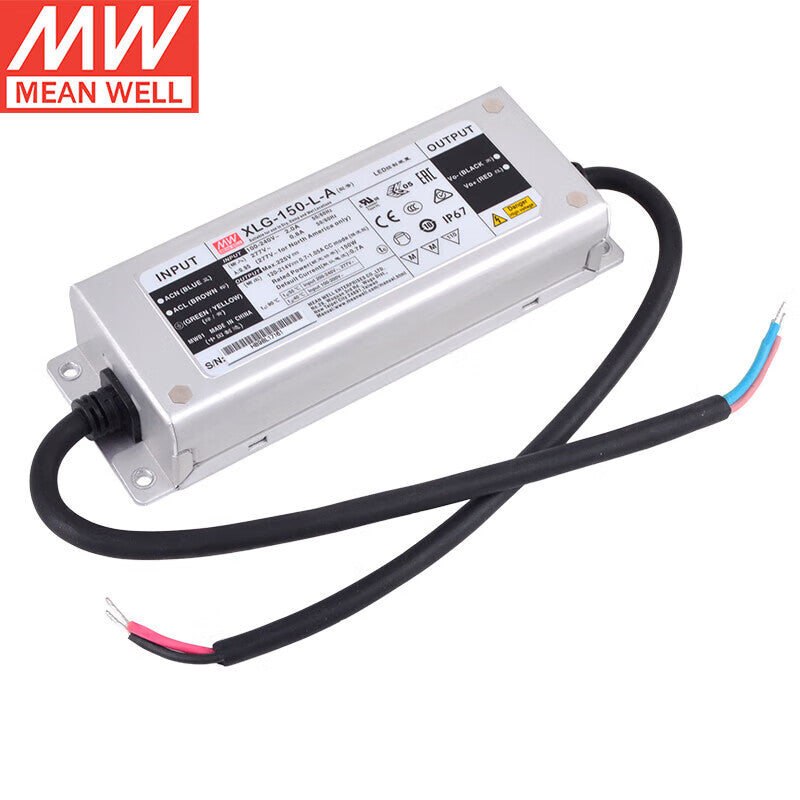
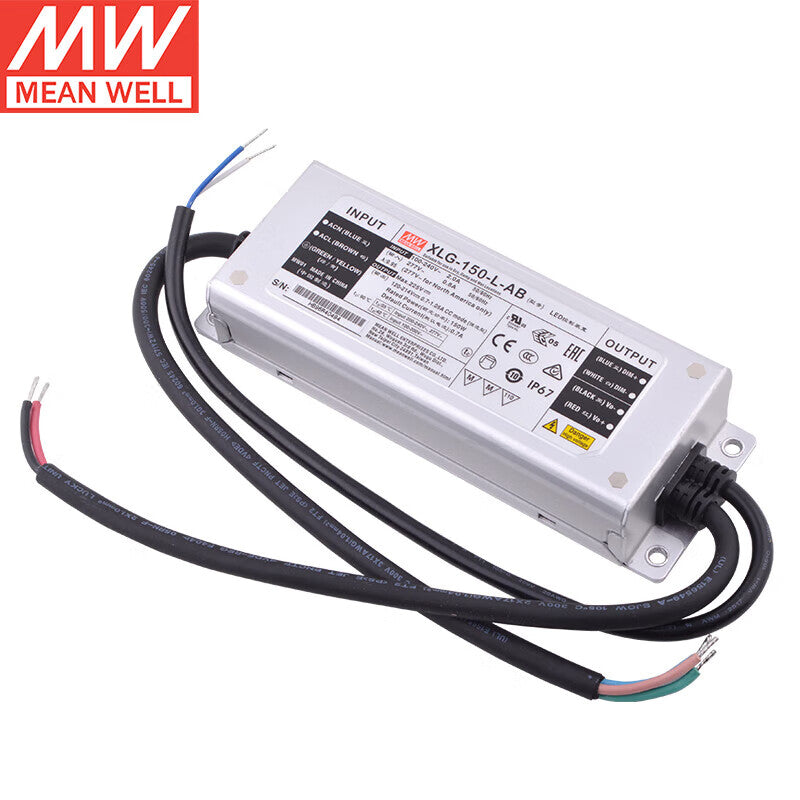
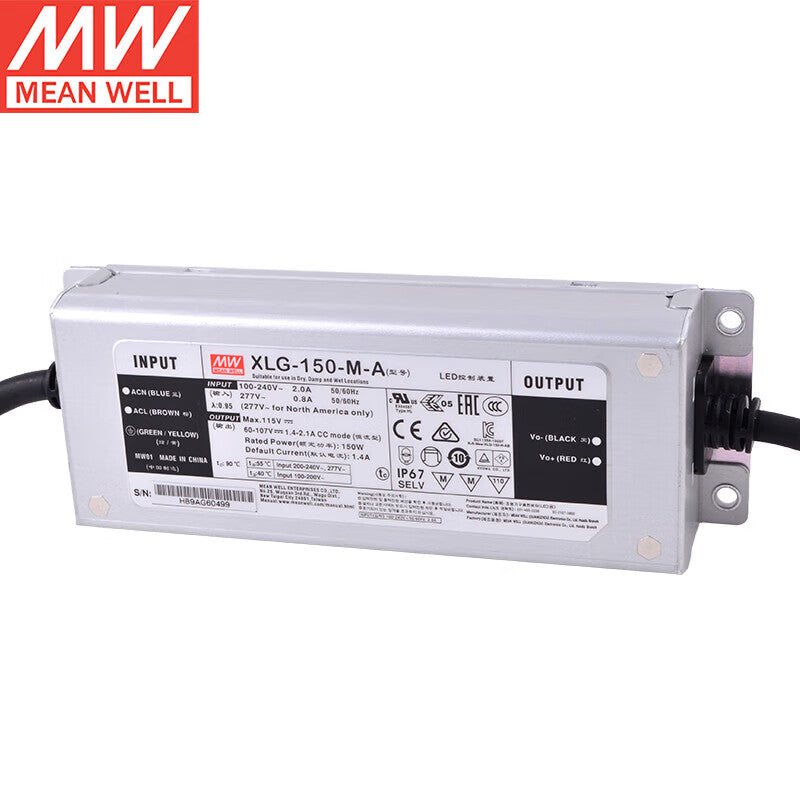
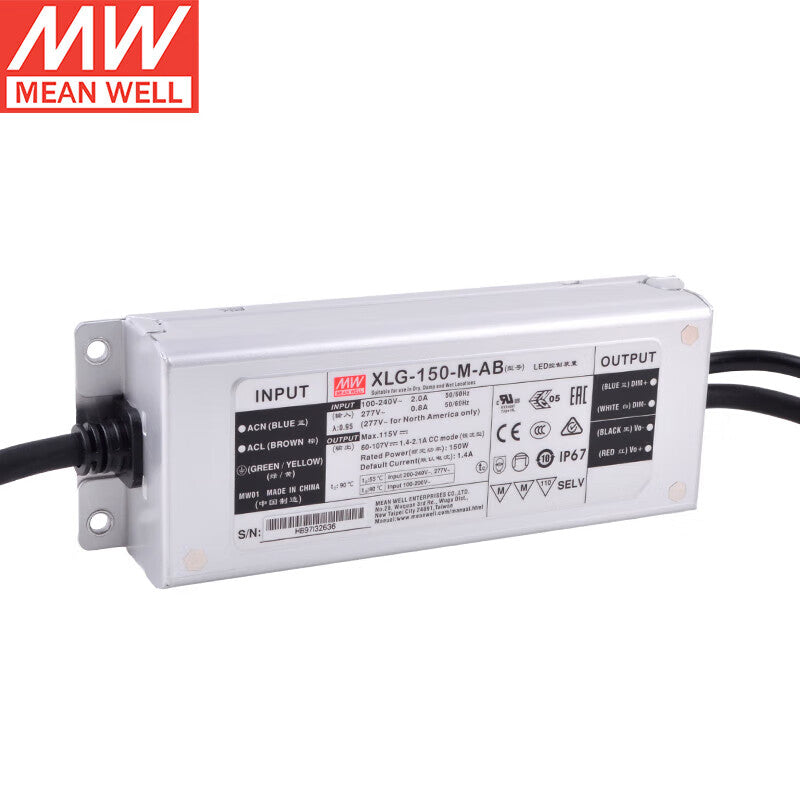
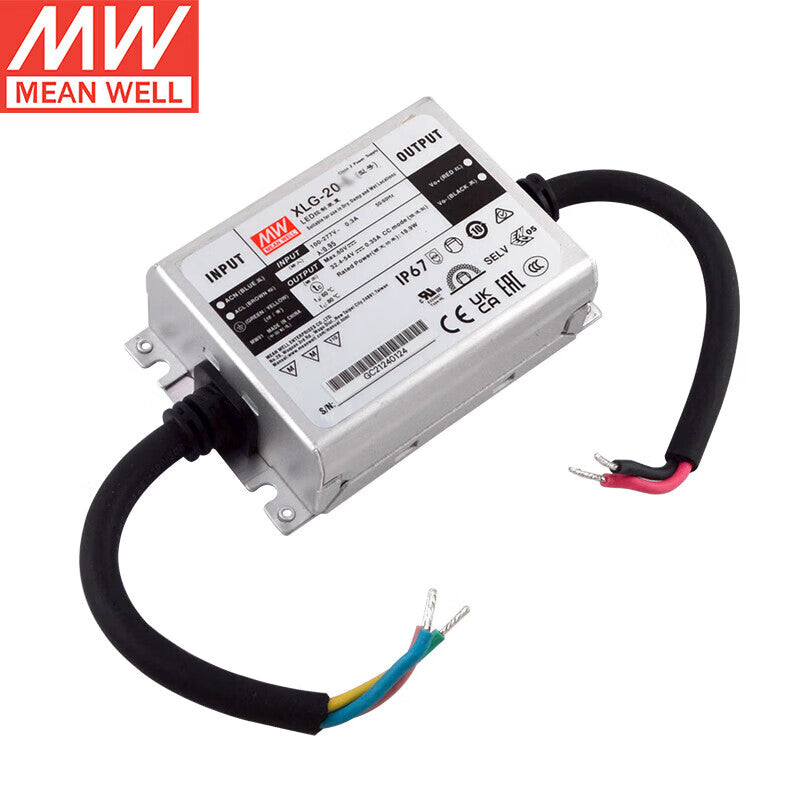
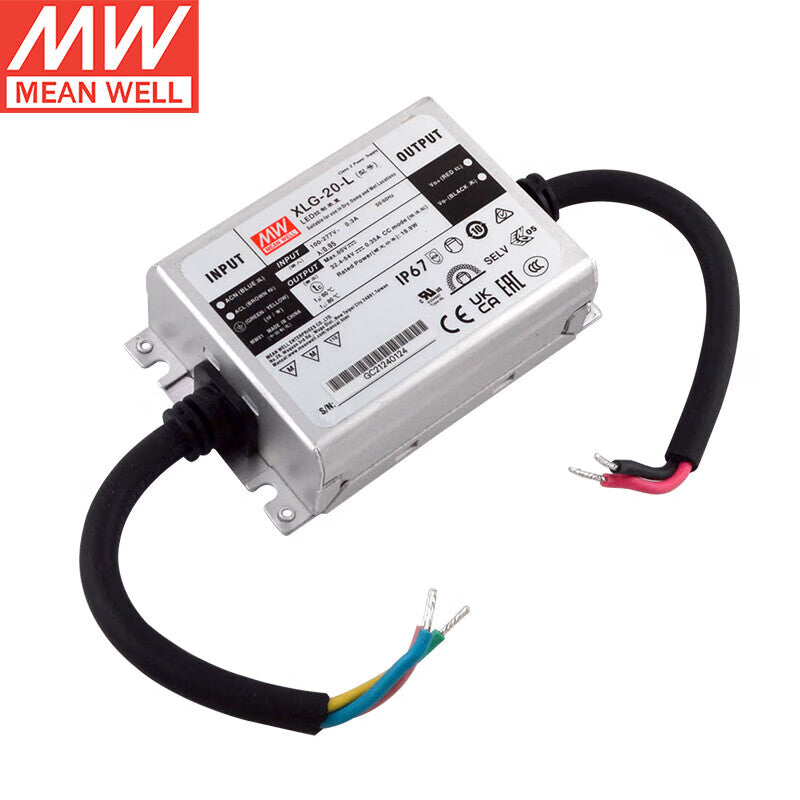
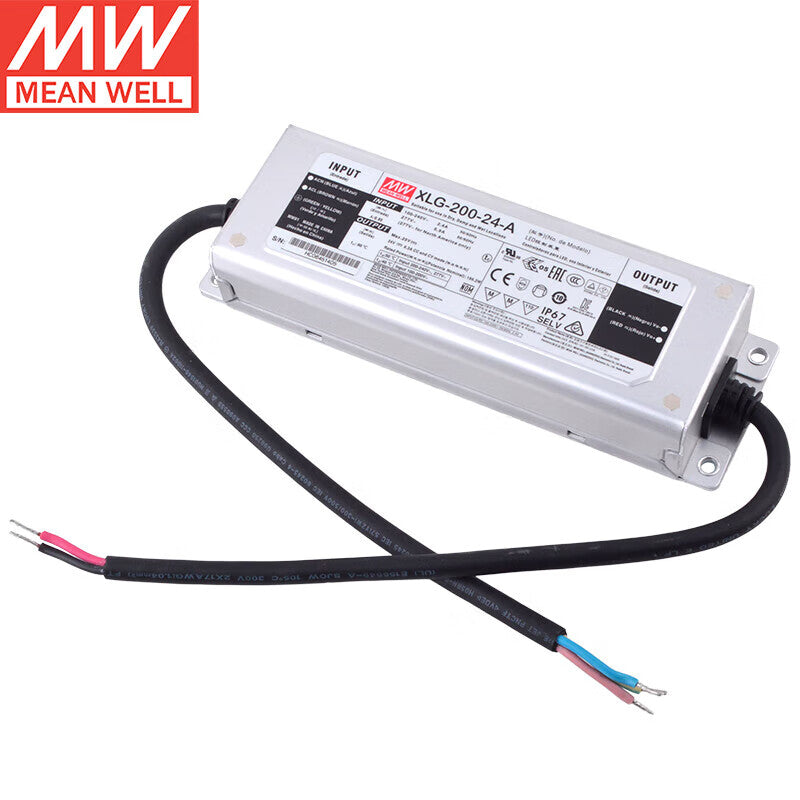
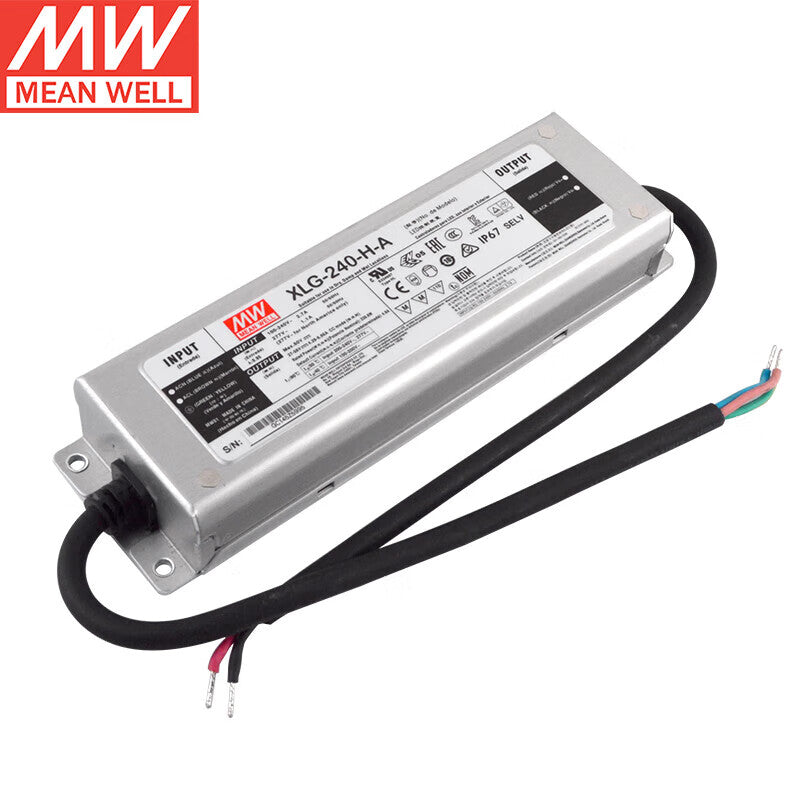
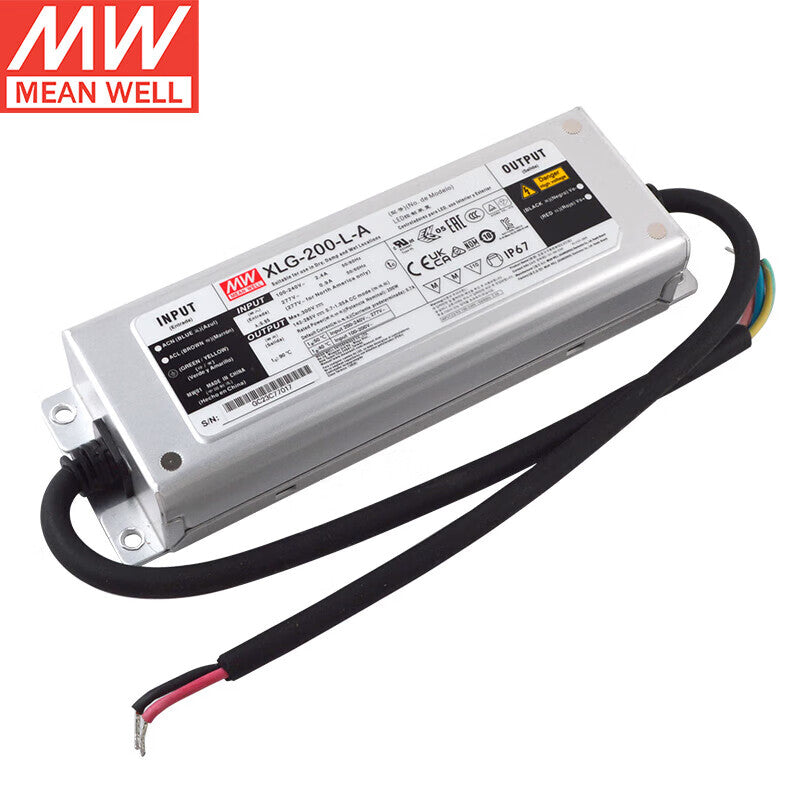
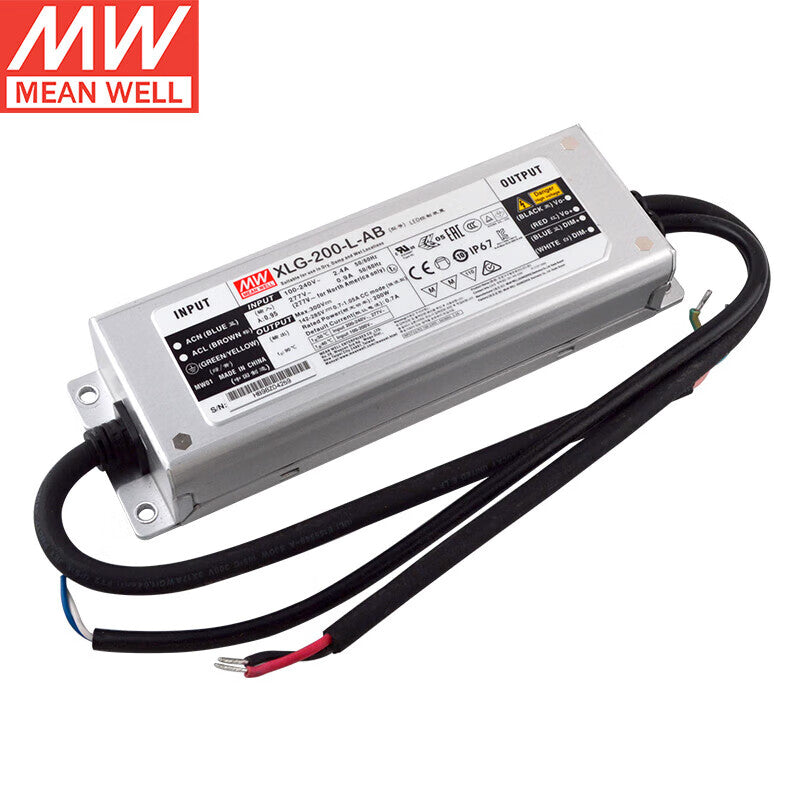
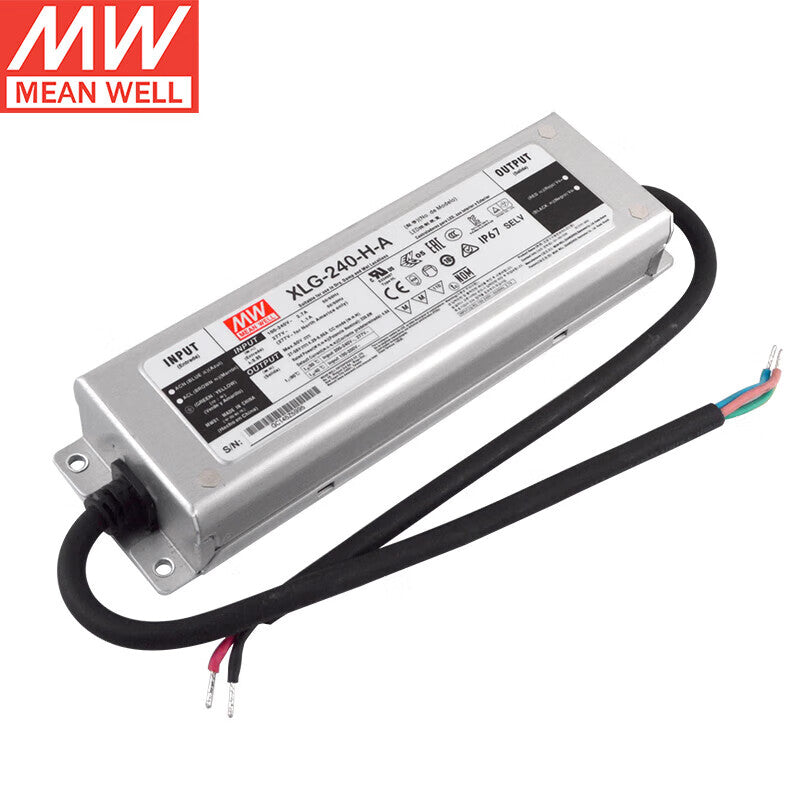
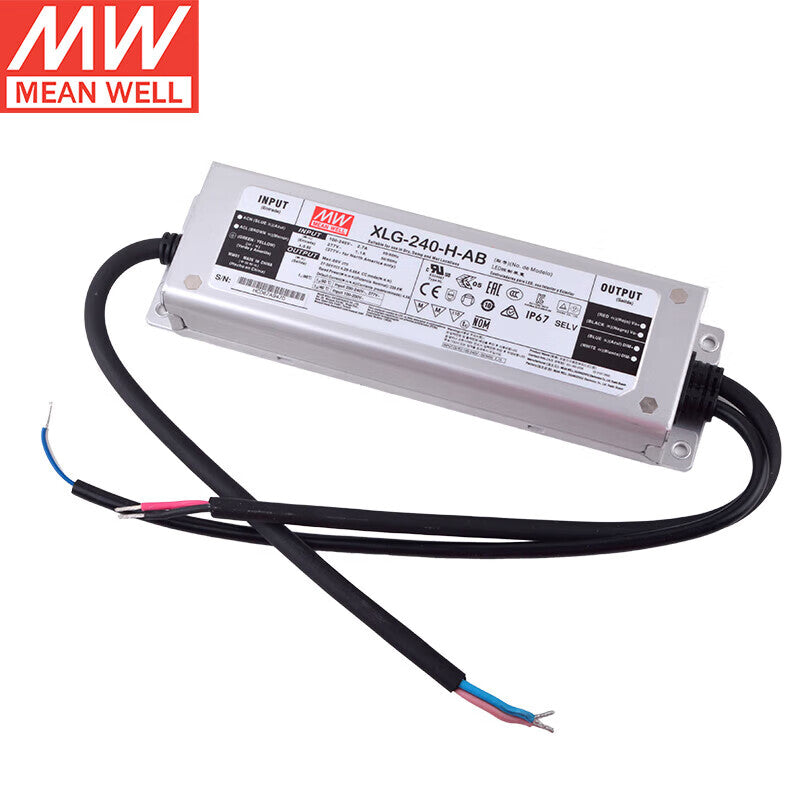
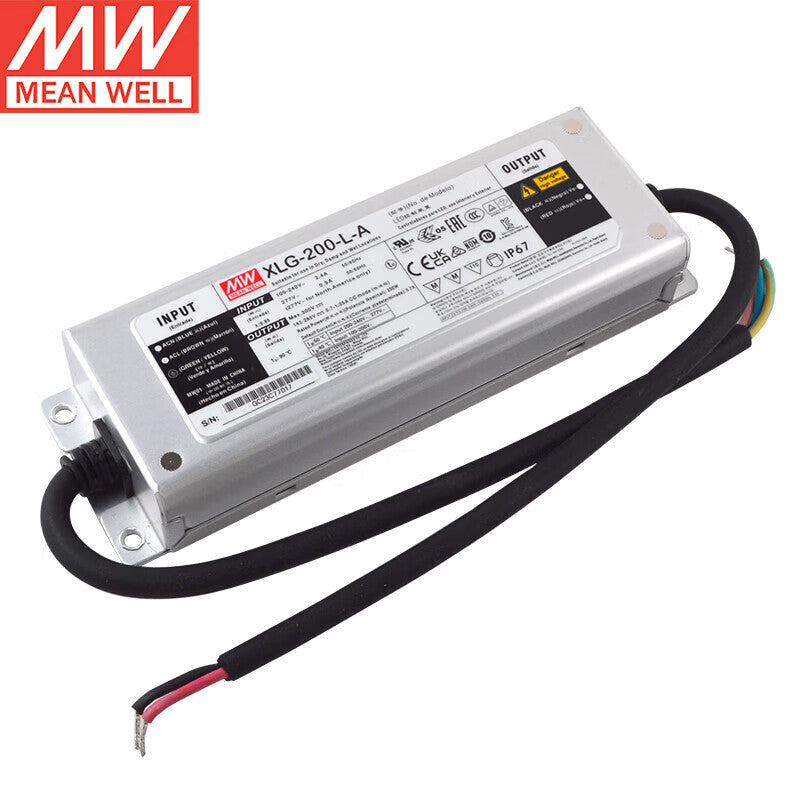
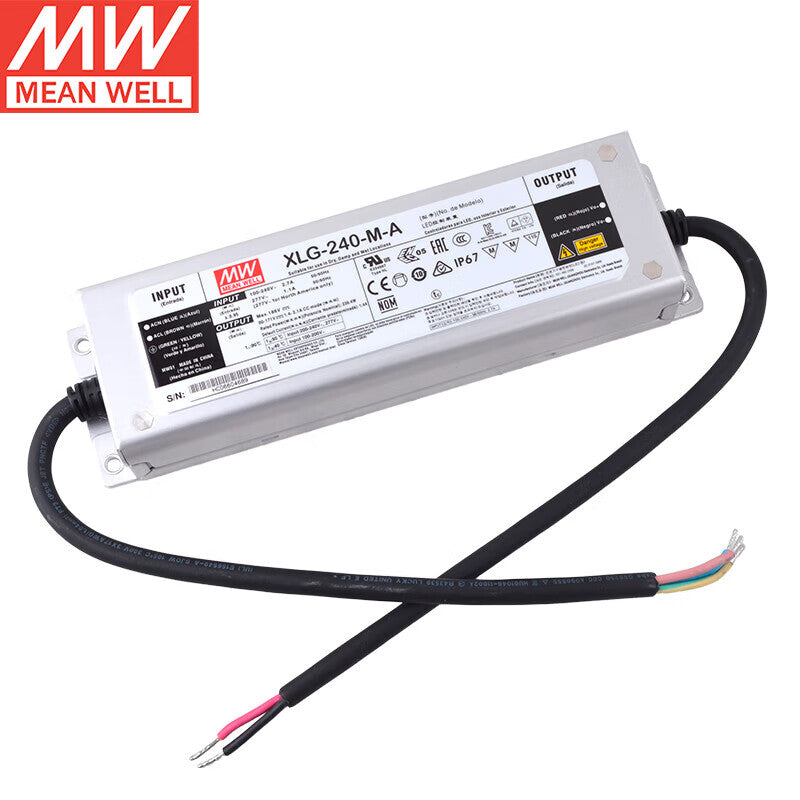
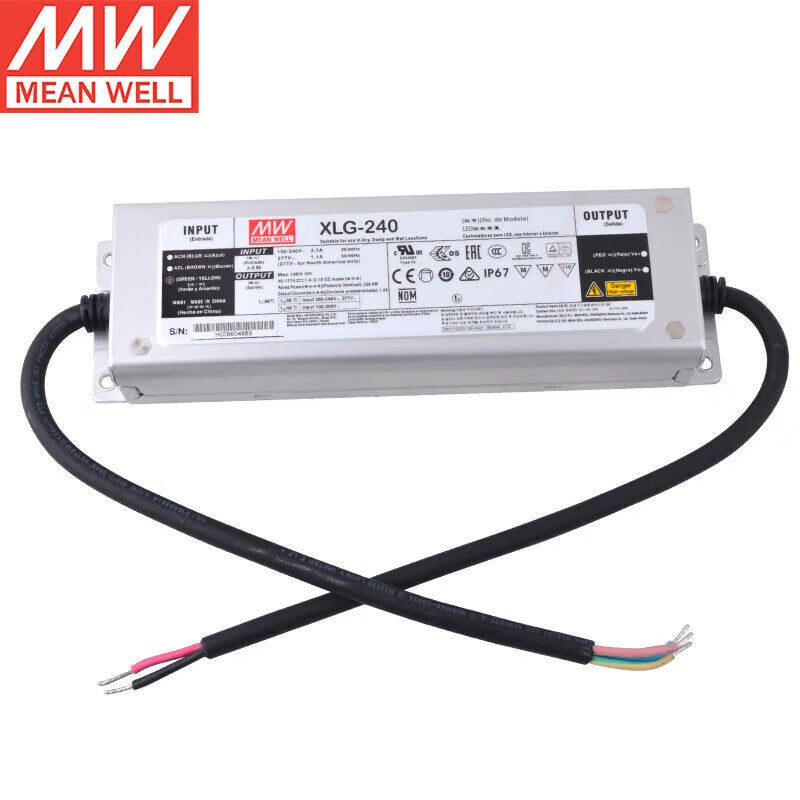
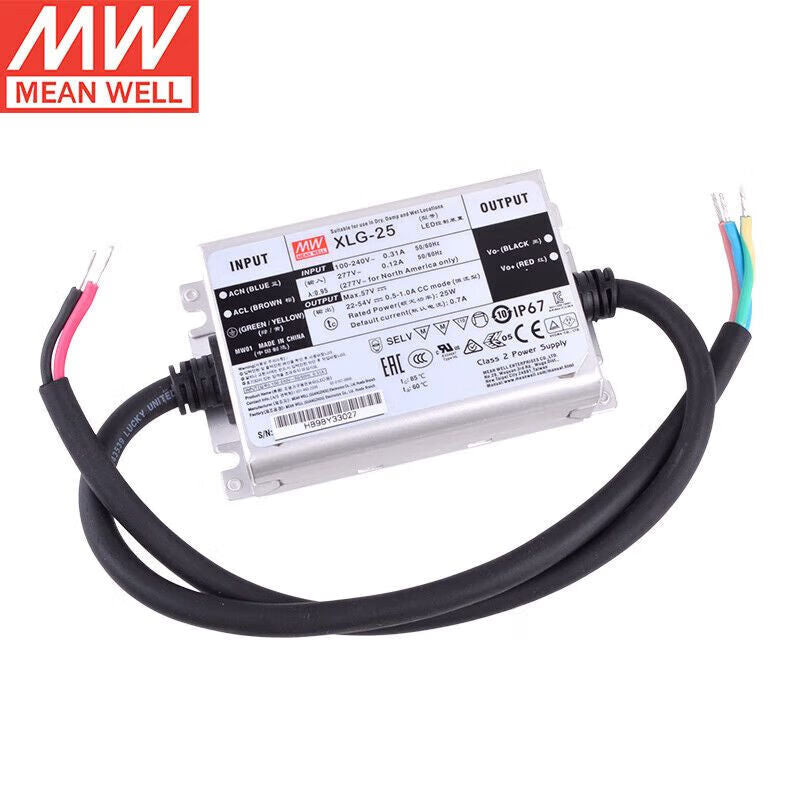
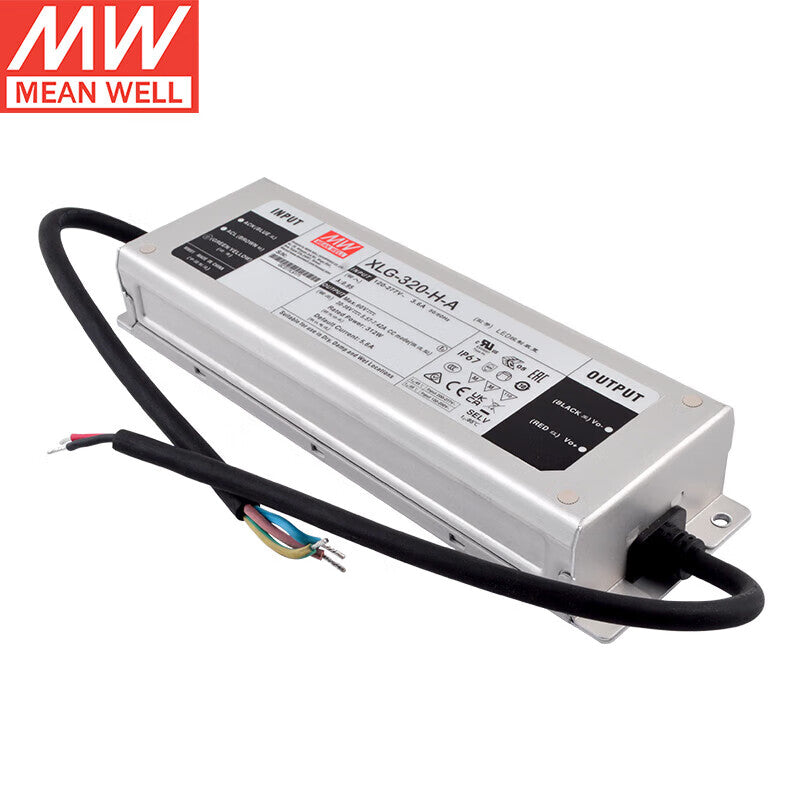
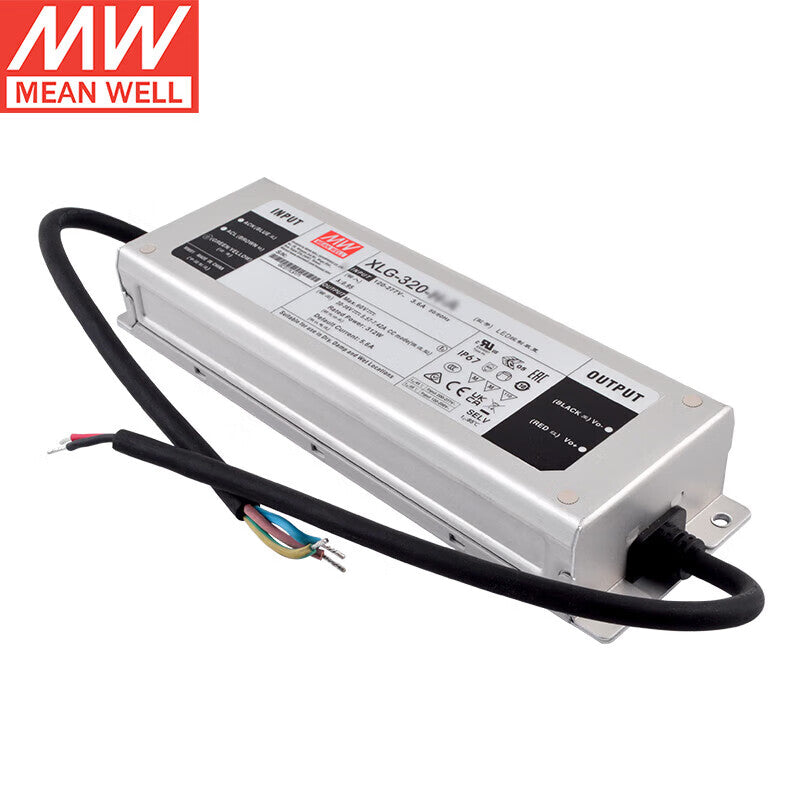
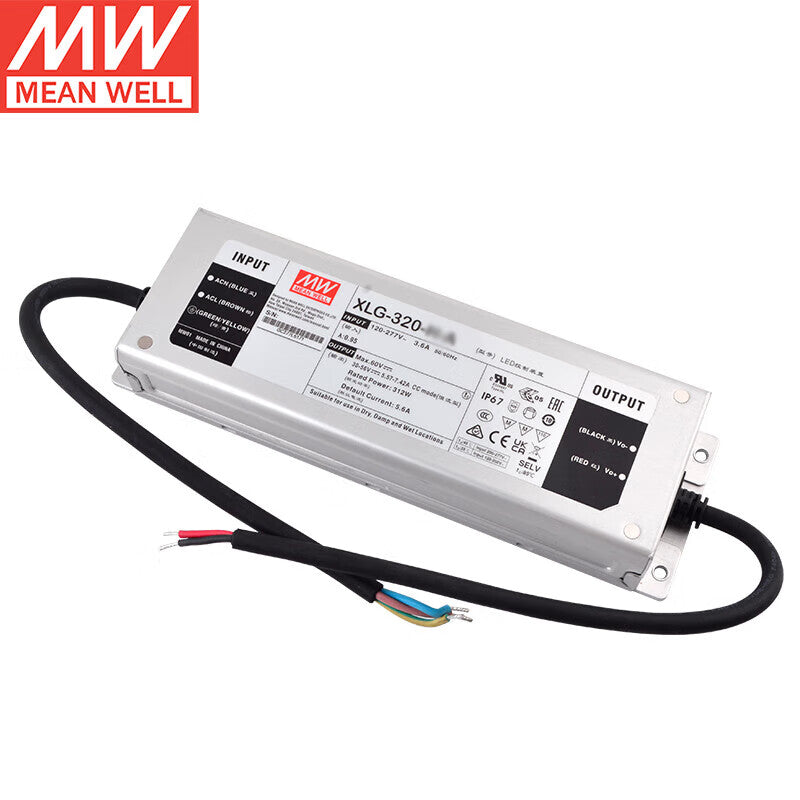
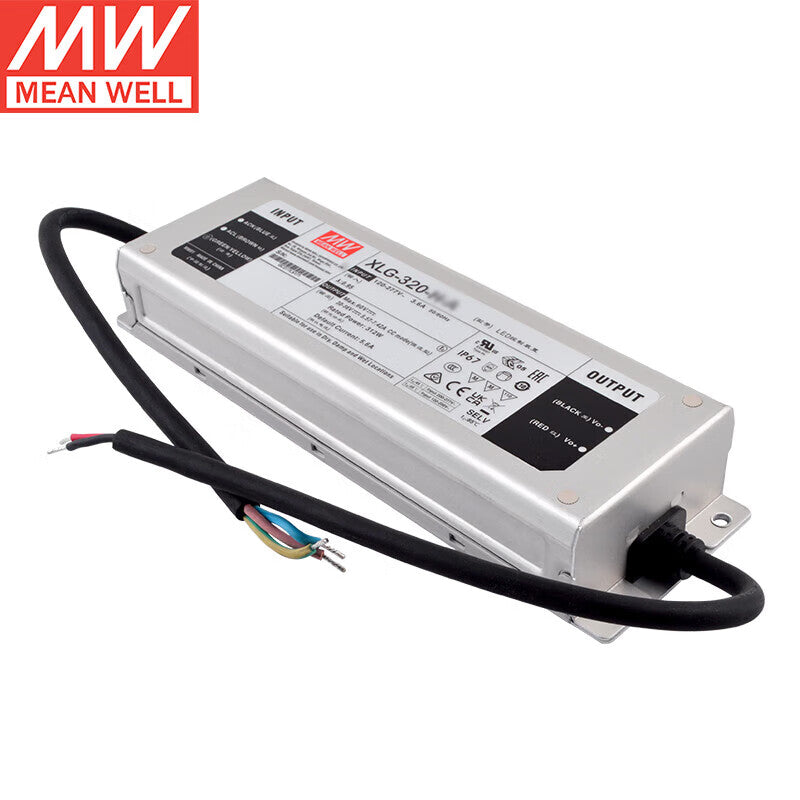
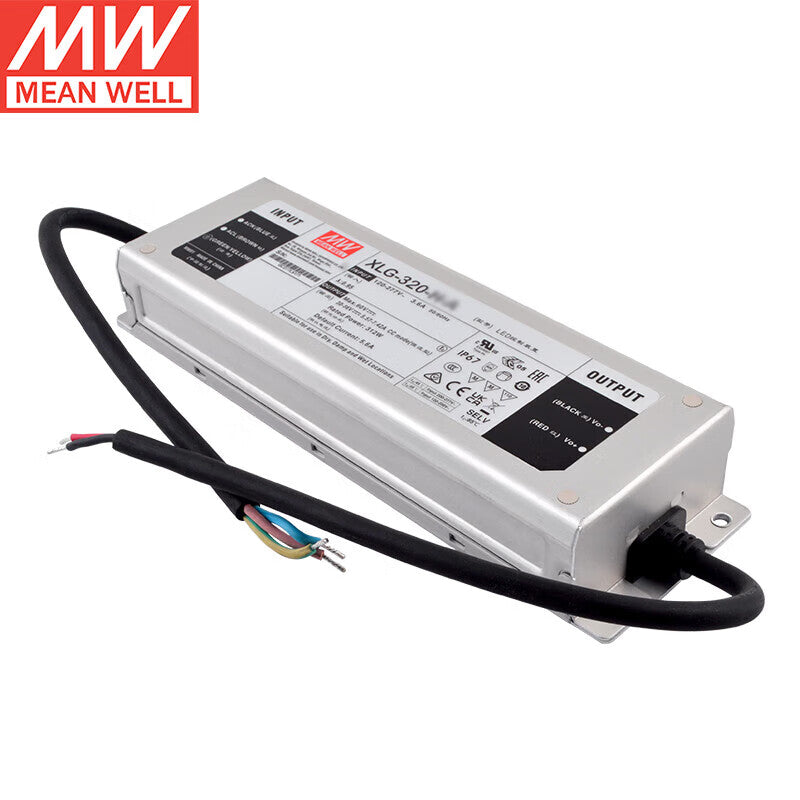
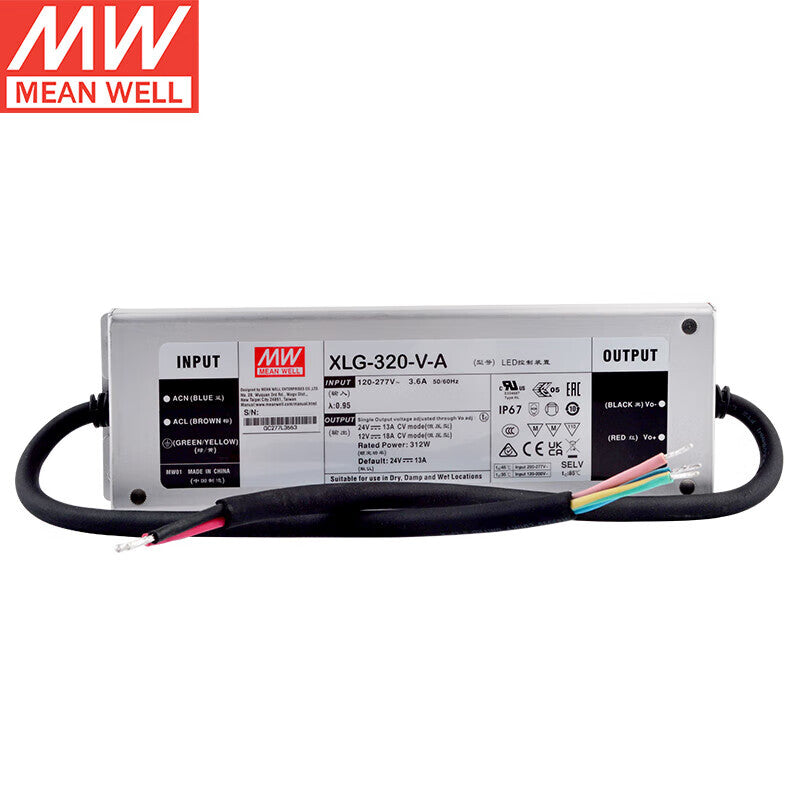
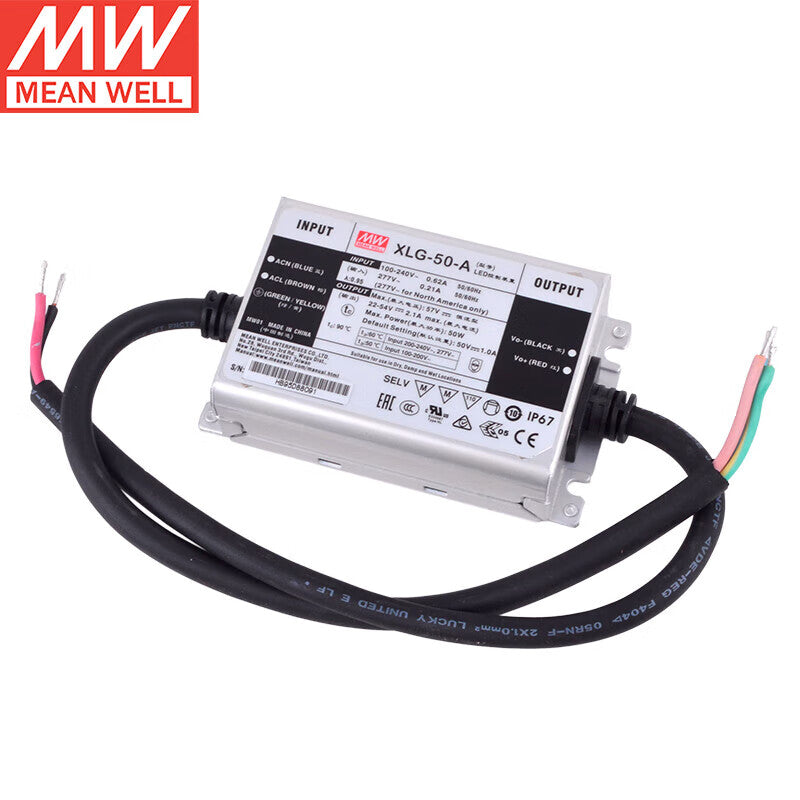
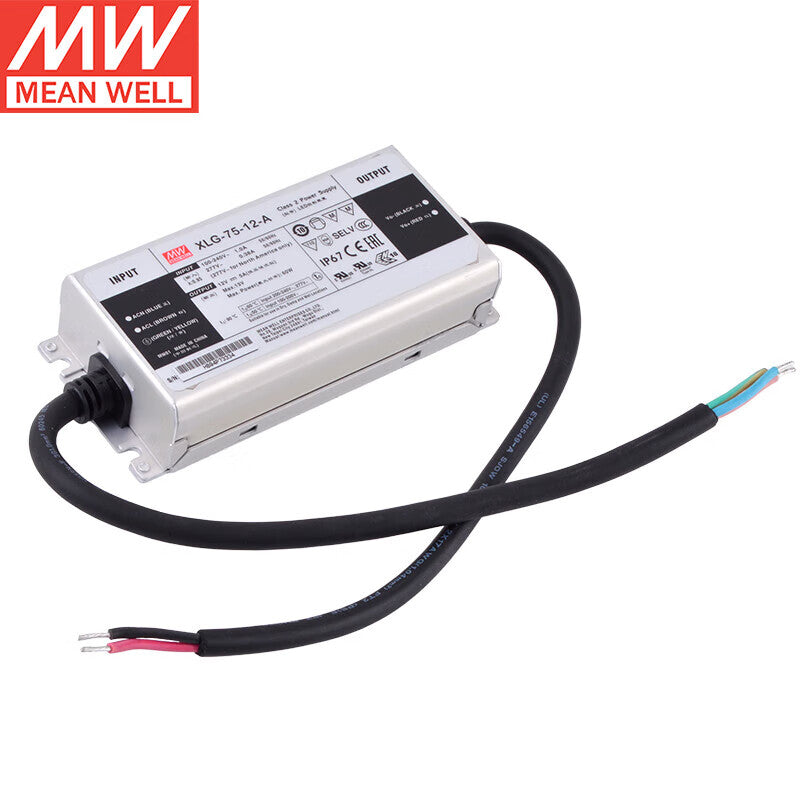
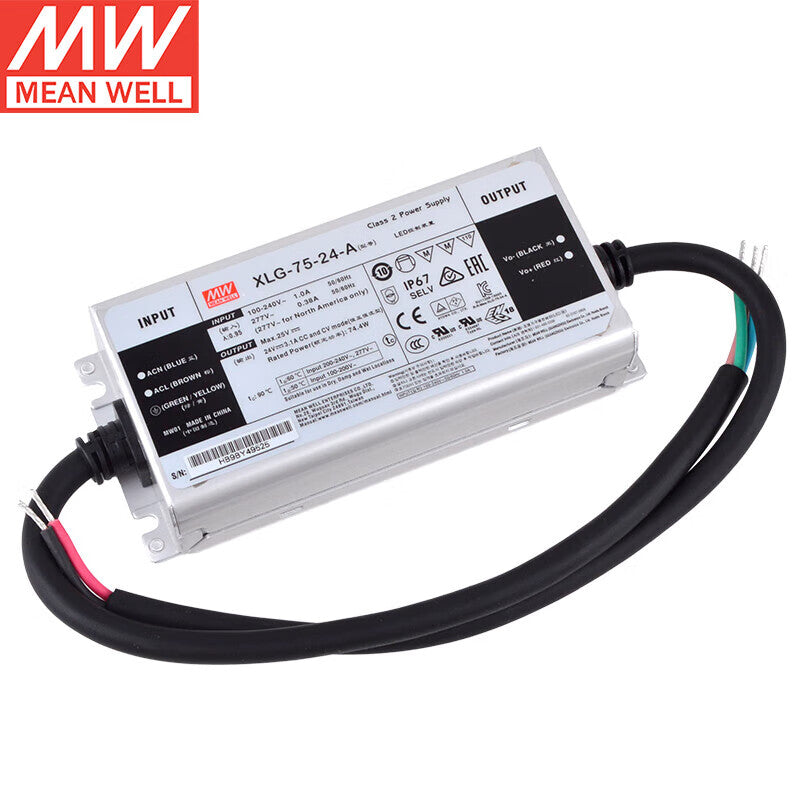
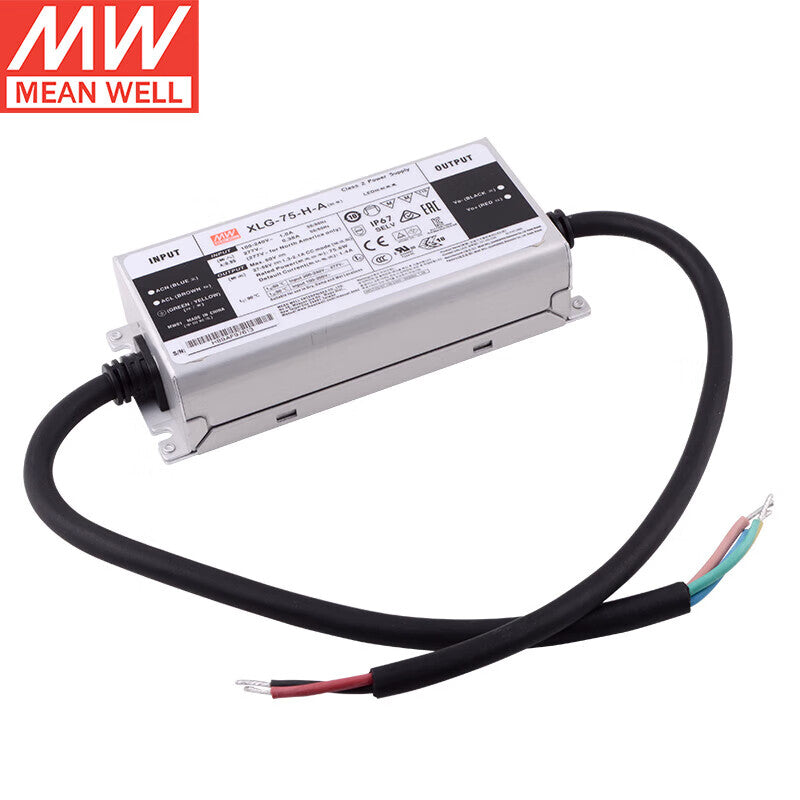
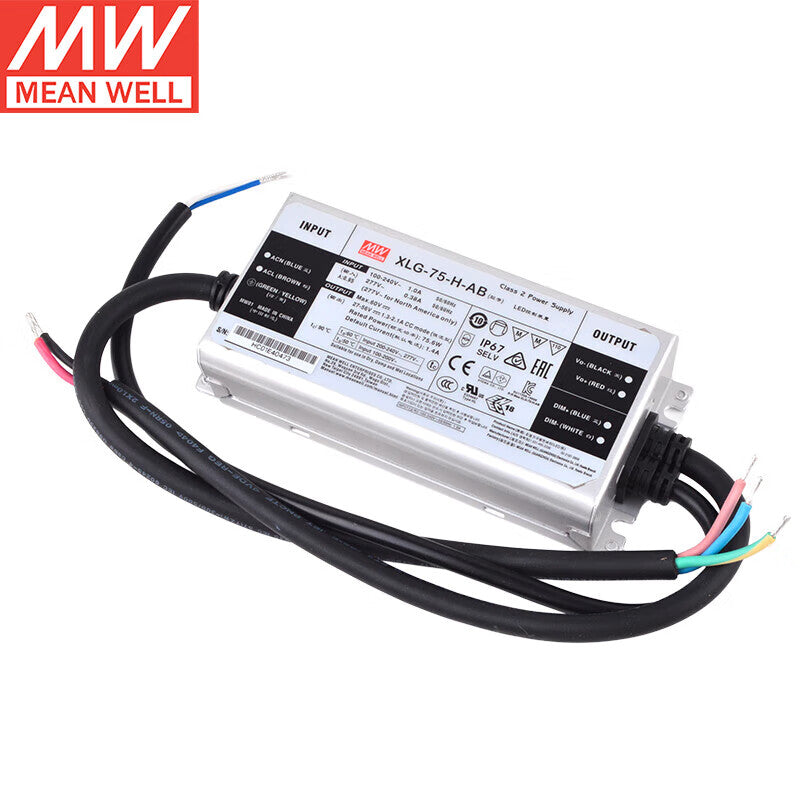
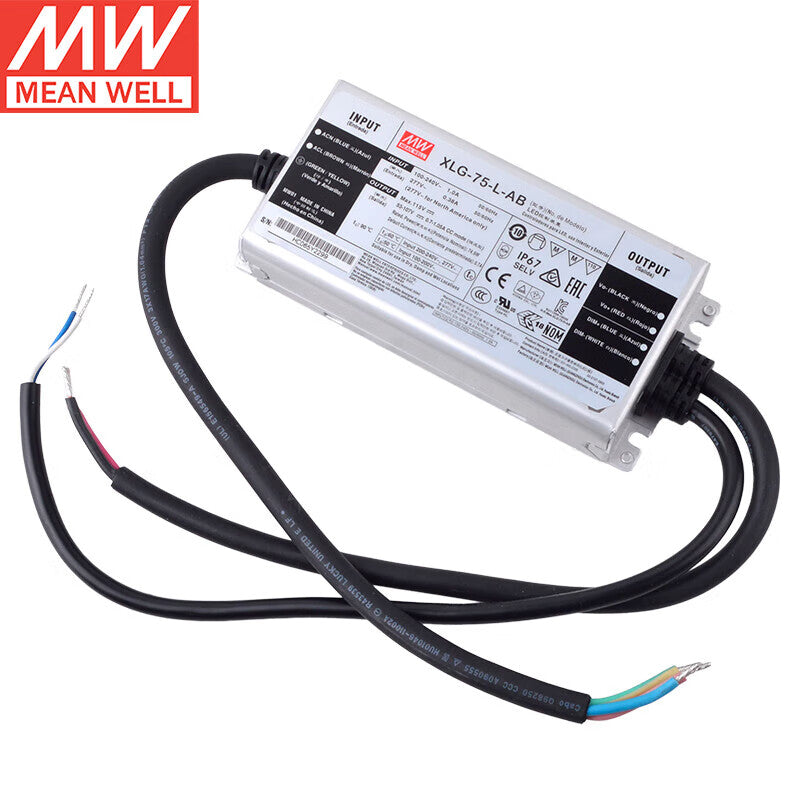
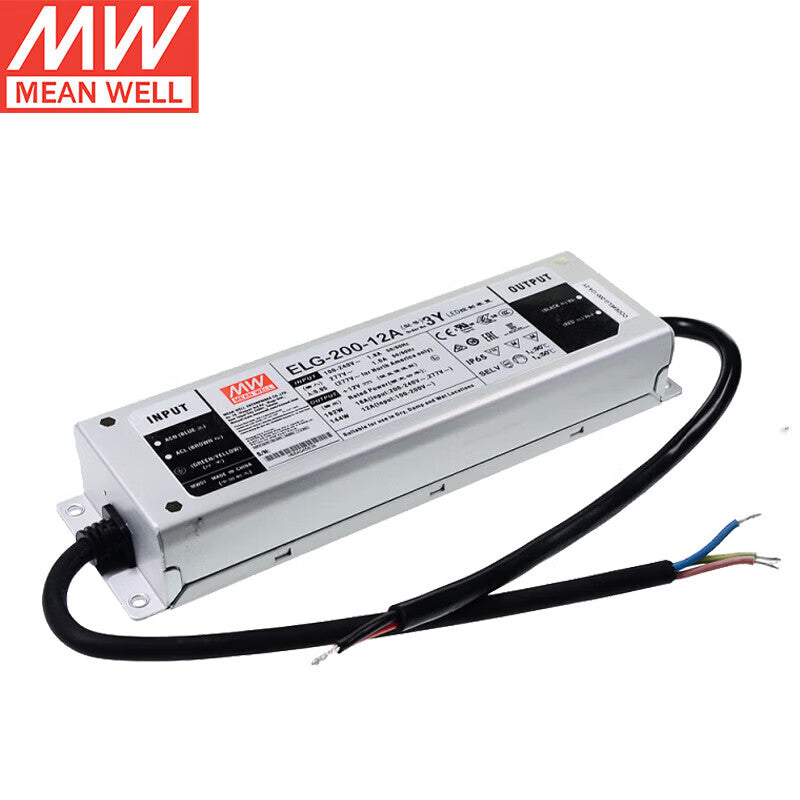
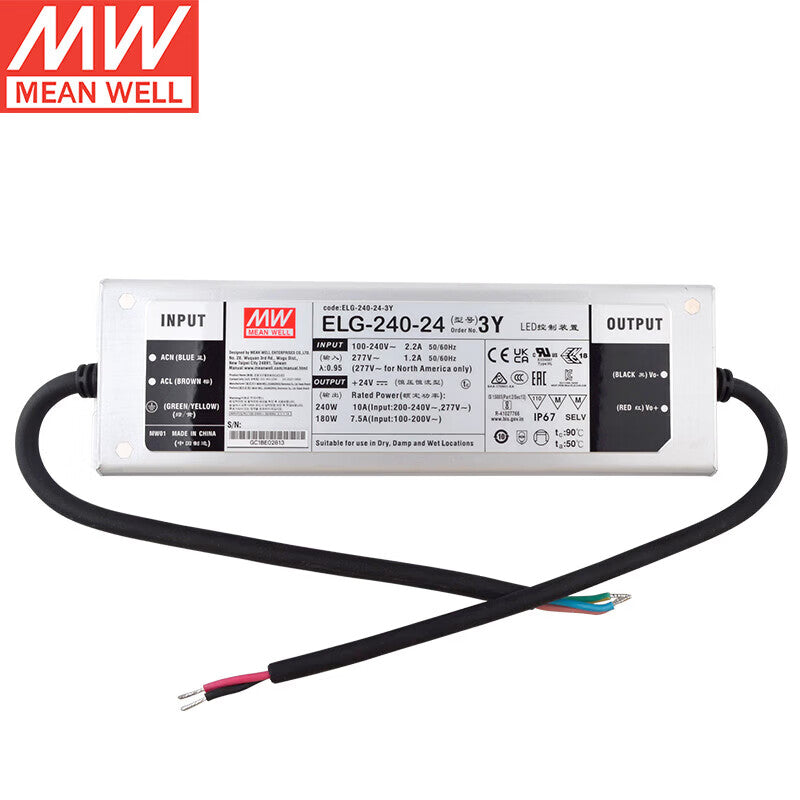
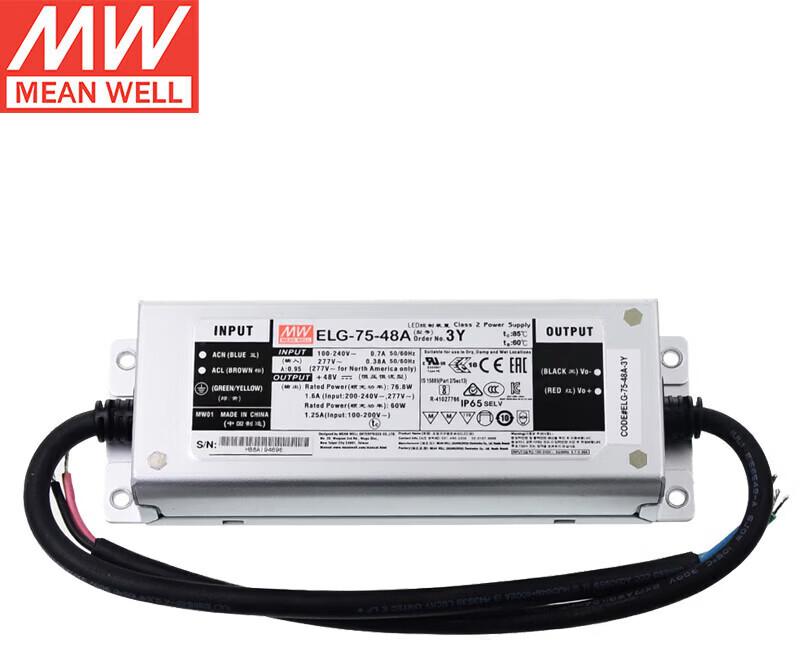
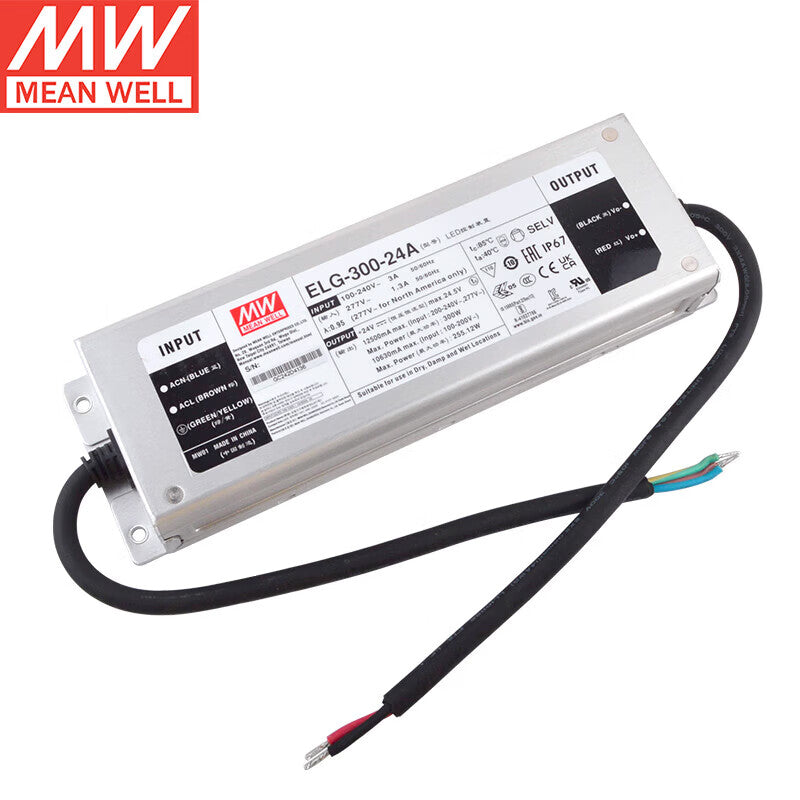
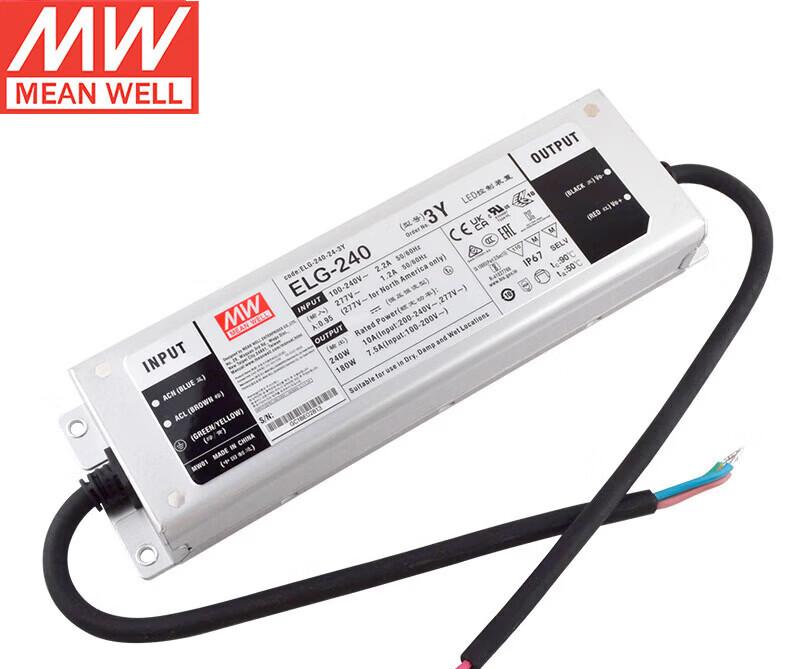
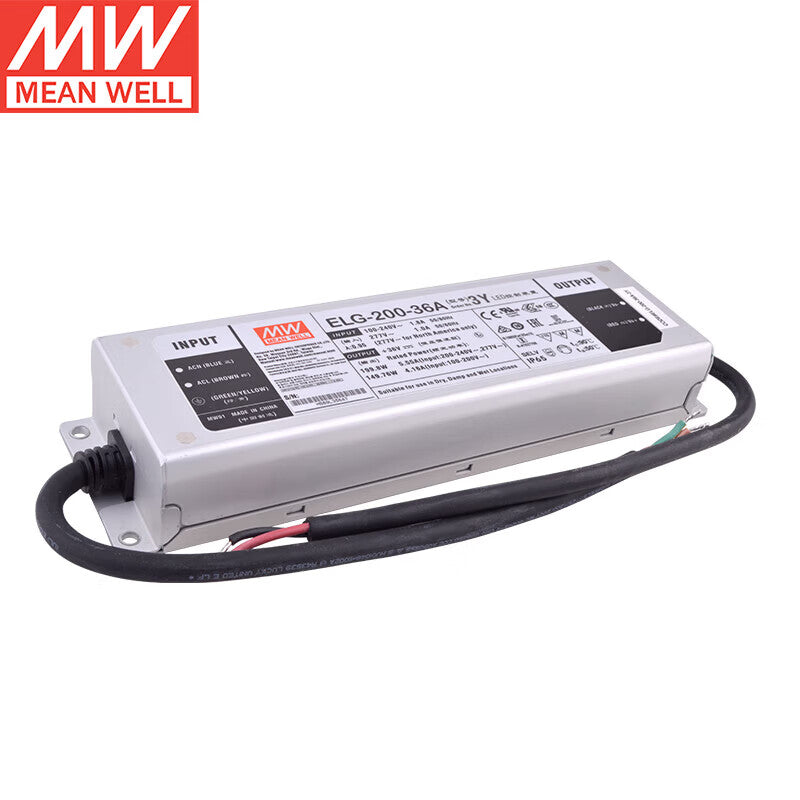
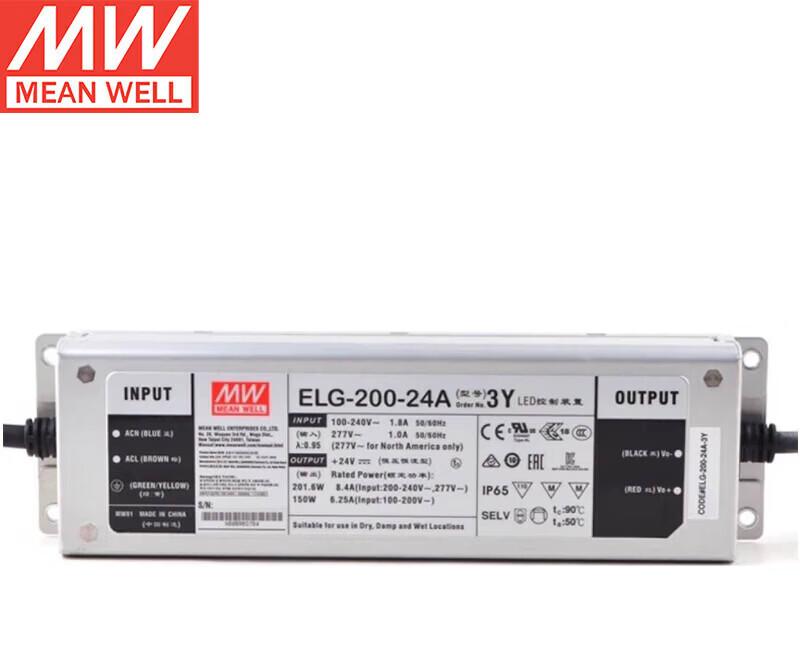
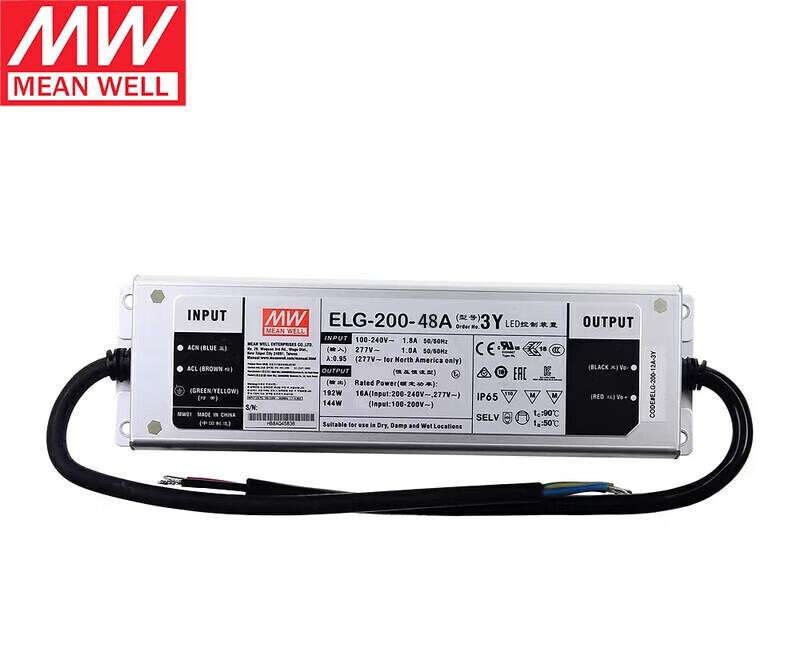
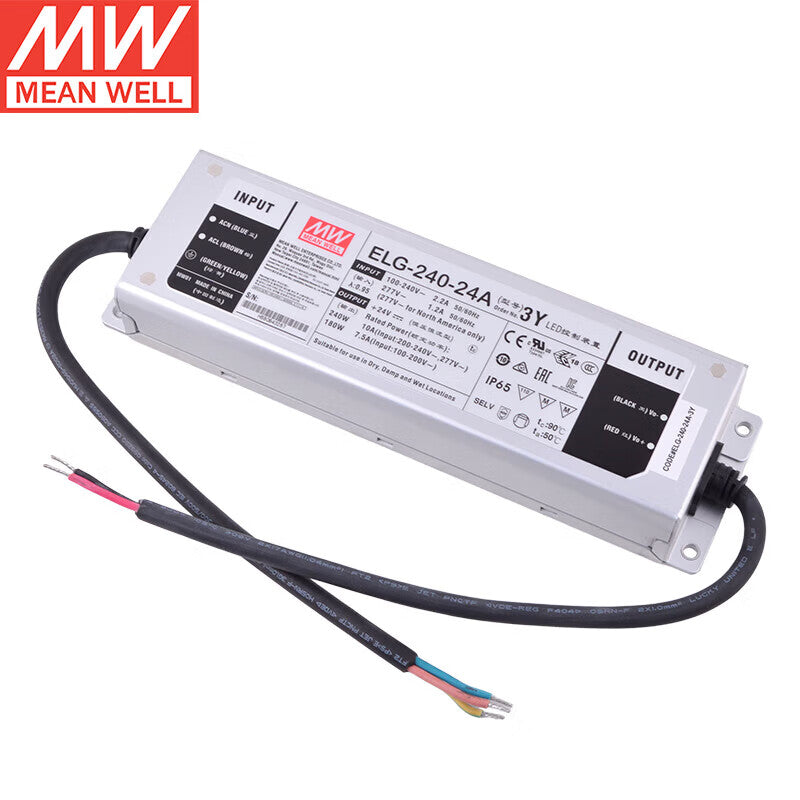
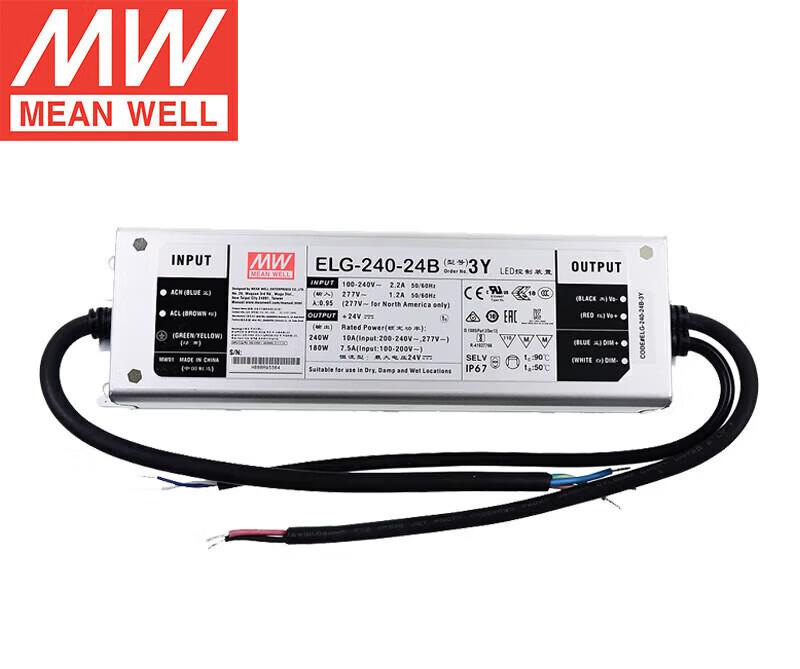
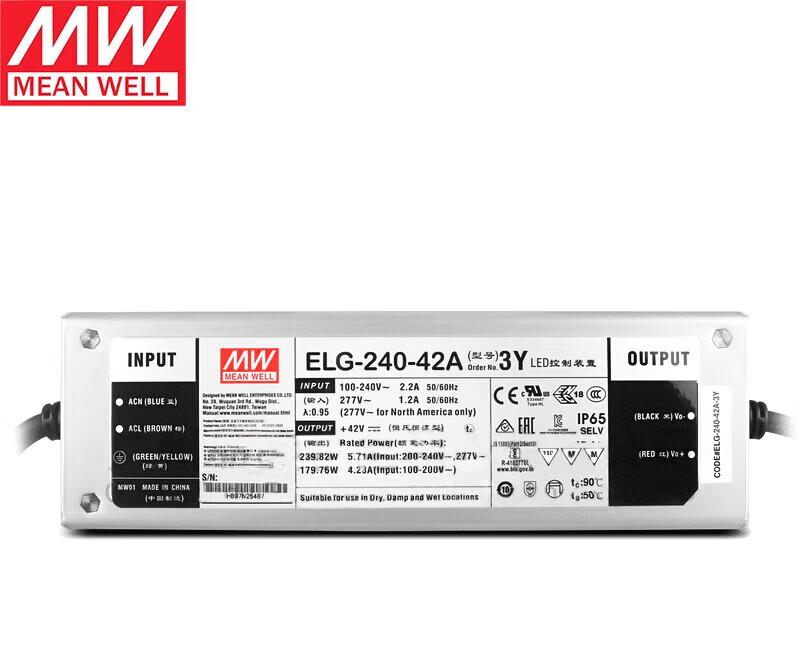
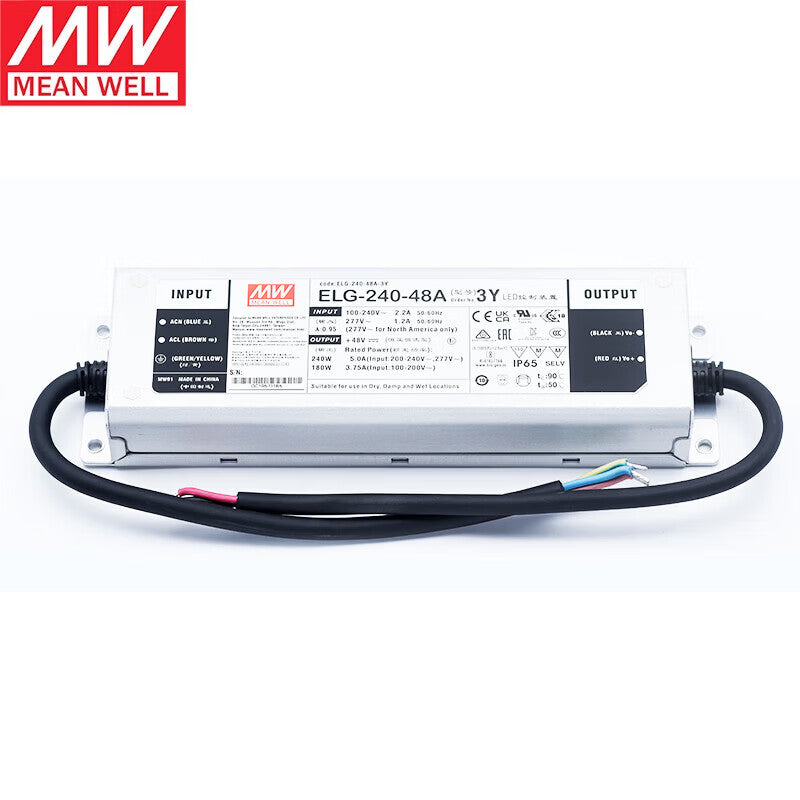
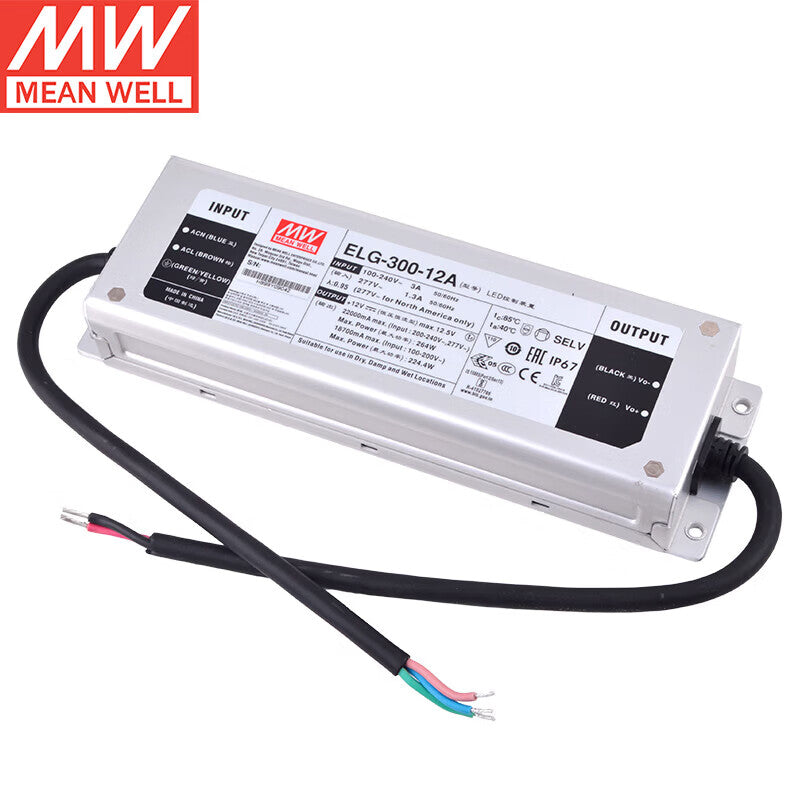
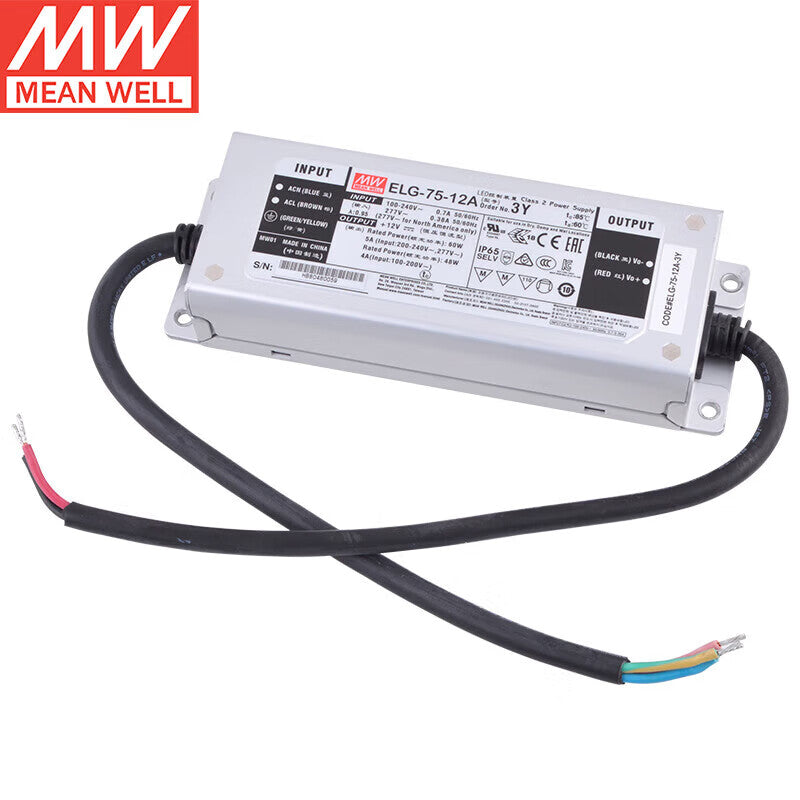
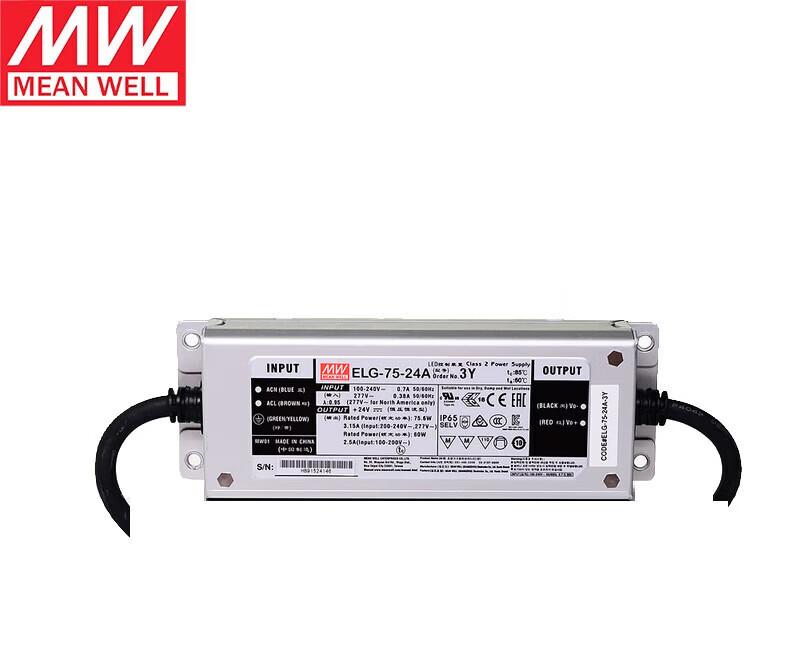


Choosing the right power supply is one of the most important decisions in any electronic system design. A poor selection can lead to system failures, safety hazards, and costly field returns. This comprehensive guide covers the essential factors engineers, designers, and procurement specialists must evaluate.
1. Electrical Requirements: The Foundation
Input Voltage Range
- Mains vs. DC Input: Will it operate from AC mains (85-264VAC typically) or DC sources (like 12V/24V/48V)?
- Universal Input: Most modern AC-DC supplies accept 85-264VAC, 47-63Hz for global use
- Specific Ranges: Industrial applications often require wider ranges (e.g., 110-370VDC for 3-phase)
Output Specifications
- Voltage: Nominal output plus tolerance (±2%, ±5%, etc.)
- Current: Maximum continuous and peak requirements
- Power: Wattage with appropriate derating (typically 20-30% headroom recommended)
- Multiple Outputs: Number needed, sequencing requirements, cross-regulation needs
Regulation and Ripple
- Line/Load Regulation: How stable is output with input/load changes?
- Ripple & Noise: Critical for sensitive analog/digital circuits (often <1% of Vout)
2. Form Factor and Mechanical Considerations
Mounting Options
- PCB Mount: Through-hole or surface mount
- Chassis Mount: Screw terminals, DIN rail, or panel mount
- Open Frame vs. Enclosed: Thermal and safety implications
Physical Dimensions
- Footprint: Space constraints in the end application
- Height: Clearance in enclosed systems
- Connector Orientation: Wire leads, terminal blocks, or connectors
Thermal Management
- Convection Cooled: Relies on natural air flow
- Forced Air: Requires fan or system airflow
- Derating Curve: How output reduces with temperature increase
3. Efficiency and Thermal Performance
Efficiency Standards
-
80 PLUS Certification (for computing):
- 80 PLUS: 80% efficiency at 20%, 50%, 100% load
- 80 PLUS Titanium: Up to 96% efficiency
- Industry Benchmarks: >90% typical for quality AC-DC supplies
Thermal Design
- Operating Temperature Range: Commercial (0-70°C) vs. Industrial (-40-85°C)
- Heat Dissipation: Can your enclosure handle the thermal load?
- MTBF: Often 100,000+ hours at full load, 25°C
4. Safety and Regulatory Compliance
Essential Safety Standards
┌────────────────────┬─────────────────────────────┐
│ Application        │ Primary Standard            │
├────────────────────┼─────────────────────────────┤
│ IT/Office          │ IEC 62368-1                 │
│ Industrial         │ IEC 62368-1 + UL508         │
│ Medical            │ IEC 60601-1 (BF/CF)         │
│ Household          │ IEC 60335-1                 │
│ Outdoor/Industrial │ IEC 61010-1                 │
└────────────────────┴─────────────────────────────┘
Key Certifications
- CB Scheme: For global market access
- Regional: UL/cUL (North America), CE (Europe), CCC (China), PSE (Japan)
- Specialized: ATEX for explosive environments, Marine certifications
Protection Features
- Essential: Overcurrent (OCP), Overvoltage (OVP), Short Circuit
- Recommended: Over Temperature (OTP), Undervoltage Lockout (UVLO)
- Advanced: Inrush current limiting, surge protection
5. Environmental and Reliability Factors
Operating Conditions
- Altitude: Derating often required above 2000m
- Humidity: 20-90% non-condensing typical
- Vibration/Shock: MIL-STD-810 requirements for harsh environments
Ingress Protection
- IP Ratings: IP20 (basic) to IP67 (dust/water resistant)
- Conformal Coating: For high humidity/corrosive environments
Reliability Metrics
- MTBF Calculations: Based on MIL-HDBK-217 or similar
- Warranty Period: Typically 3-5 years for quality units
- Life Expectancy: Electrolytic capacitors often the limiting factor
6. Application-Specific Requirements
Medical Applications
- 2 MOPP Isolation: Essential for patient-connected devices
- Low Leakage Current: <300µA earth, <10µA patient (CF)
- Defibrillator Protection: For cardiac applications
Industrial Automation
- Wide Temperature Range: -40°C to +85°C often required
- High Immunity: To noise, surges, and voltage dips
- 24/7 Operation: Designed for continuous duty
LED Lighting
- Constant Current vs. Voltage: Match to LED configuration
- Dimming Compatibility: TRIAC, 0-10V, DALI, PWM
- Power Factor Correction: >0.9 typically required
Audio/Telecom
- Low Noise: Essential for signal integrity
- Hold-up Time: Typically 16-20ms for telecom
- Battery Backup Compatibility: For UPS interfaces
7. Cost vs. Performance Trade-offs
Price Drivers
- Regulatory Requirements (Medical > Industrial > Commercial)
- Efficiency (Higher efficiency = higher cost)
- Power Density (Smaller size = higher cost)
- Environmental Ratings (Wide temp = higher cost)
- Customization (Modified standards = significant cost)
Total Cost of Ownership
- Initial Cost: Purchase price
- Energy Cost: Efficiency impacts operating expenses
- Reliability: Failures cause downtime and service costs
- Compliance: Non-compliance risks fines and market exclusion
8. Supplier and Supply Chain Considerations
Technical Support
- Design-in Support: Application engineering assistance
- Documentation: Comprehensive datasheets, application notes
- Samples Availability: For prototyping and testing
Manufacturing Capability
- Lead Times: Standard vs. extended
- Scalability: From prototype to volume production
- Quality Systems: ISO 9001 certification, audit trails
Supply Chain Security
- Dual Sourcing: Availability of equivalent alternatives
- Lifecycle Management: Obsolescence policies
- Local Support: Regional offices and warehouses
9. Testing and Validation Strategy
Pre-selection Testing
- Electrical Verification: Load regulation, ripple, transient response
- Safety Checks: Isolation resistance, hipot testing
- Environmental: Thermal cycling, burn-in if critical
In-System Validation
- EMC Testing: Conducted/radiated emissions and immunity
- Thermal Imaging: Hot spot identification under load
- Long-term Reliability: Accelerated life testing for critical applications
Decision Matrix: Quick Reference Guide
| Priority | Commercial/IT | Industrial | Medical | Military/Aerospace |
|---|---|---|---|---|
| #1 | Cost & Efficiency | Reliability | Safety | Reliability & Temp Range |
| #2 | Size | Temp Range | Leakage Current | Shock/Vibration |
| #3 | Noise | Immunity | Isolation | EMI/EMC |
| #4 | Basic Protections | Wide Input | Certifications | MIL-SPEC Compliance |
| Budget | $ | $$ | $$$ | $$$$ |
Common Pitfalls to Avoid
- Underestimating Peak Currents: Account for inrush and dynamic loads
- Ignoring Thermal Constraints: Consider actual operating environment
- Overlooking Safety Gaps: Medical ≠ Industrial ≠ IT safety
- Missing Regulatory Deadlines: Standards updates transition periods
- Sacrificing Quality for Cost: Reliability issues cost more long-term
- Forgetting Field Service: Accessibility for maintenance/repair
The Selection Process: Step-by-Step
- Define Requirements Document: Capture all electrical, mechanical, environmental needs
- Research Standards: Identify mandatory compliance requirements
- Create Shortlist: 2-3 potential suppliers meeting core requirements
- Request Samples: For bench testing and validation
- Conduct Application Testing: In actual or simulated operating conditions
- Evaluate Total Cost: Include compliance, energy, and reliability costs
- Finalize Specifications: With chosen supplier
- Plan for Second Source: If volumes or criticality demand it
Future-Proofing Considerations
- Modularity: Can it accommodate future upgrades?
- Scalability: Available in different power ratings?
- Technology Roadmap: Is supplier innovating in efficiency/size?
- Sustainability: RoHS, REACH, energy efficiency directives
Conclusion: A Balanced Approach
Choosing the right power supply requires balancing technical requirements, regulatory compliance, cost constraints, and supply chain considerations. There is rarely a single “perfect” choice, but rather an optimal solution for your specific application.
Remember: The power supply is the foundation of your system’s reliability. Investing time in proper selection pays dividends throughout the product lifecycle through improved reliability, lower field failure rates, and reduced total cost of ownership.
Last updated: [Current Date] | For specific application advice, consult with qualified power supply application engineers.

