

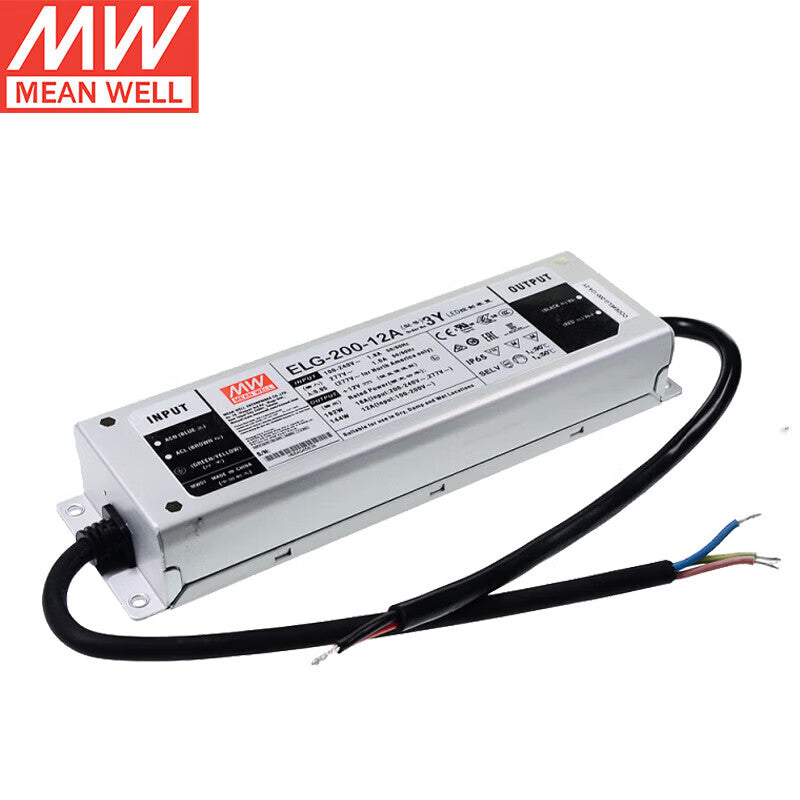
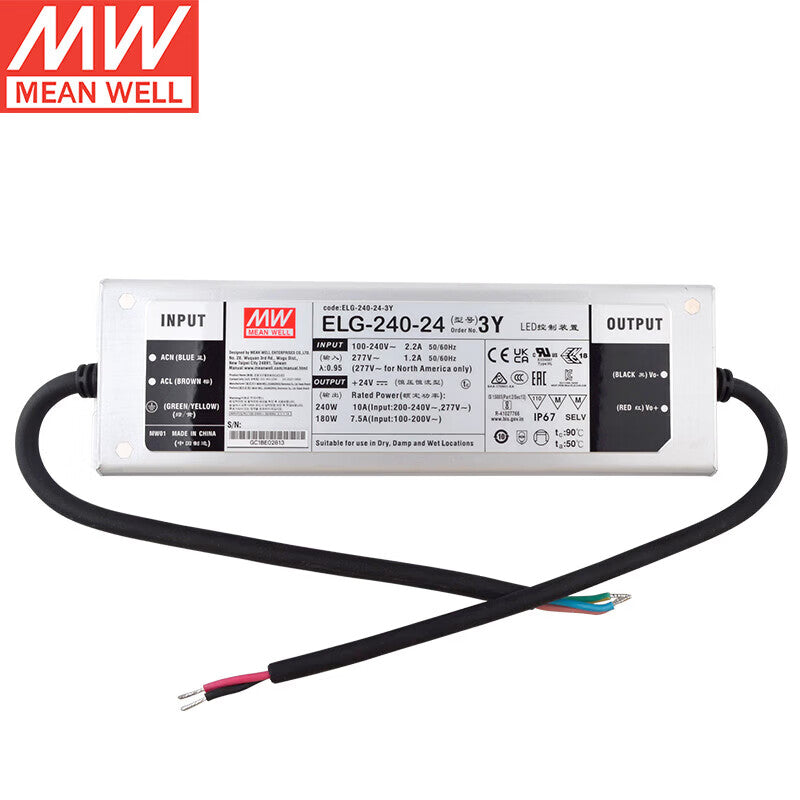
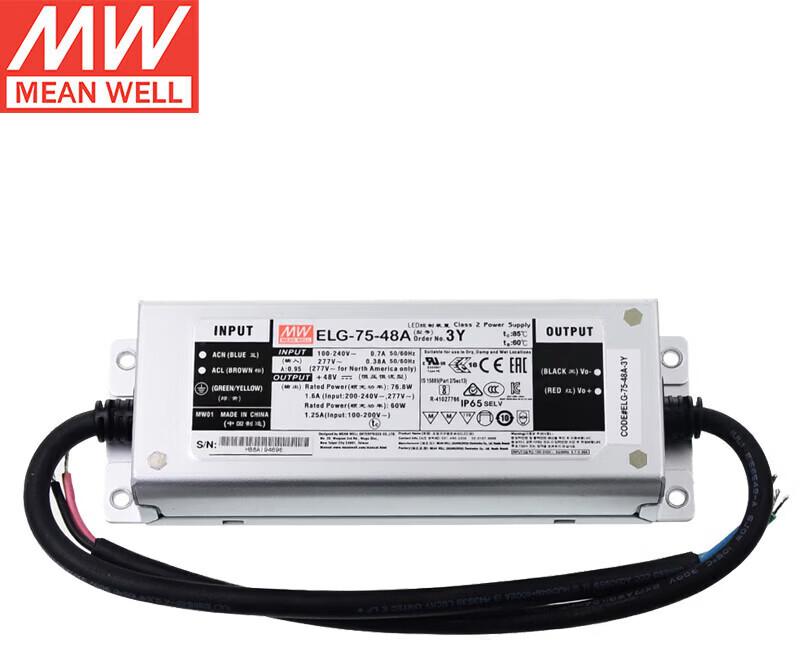
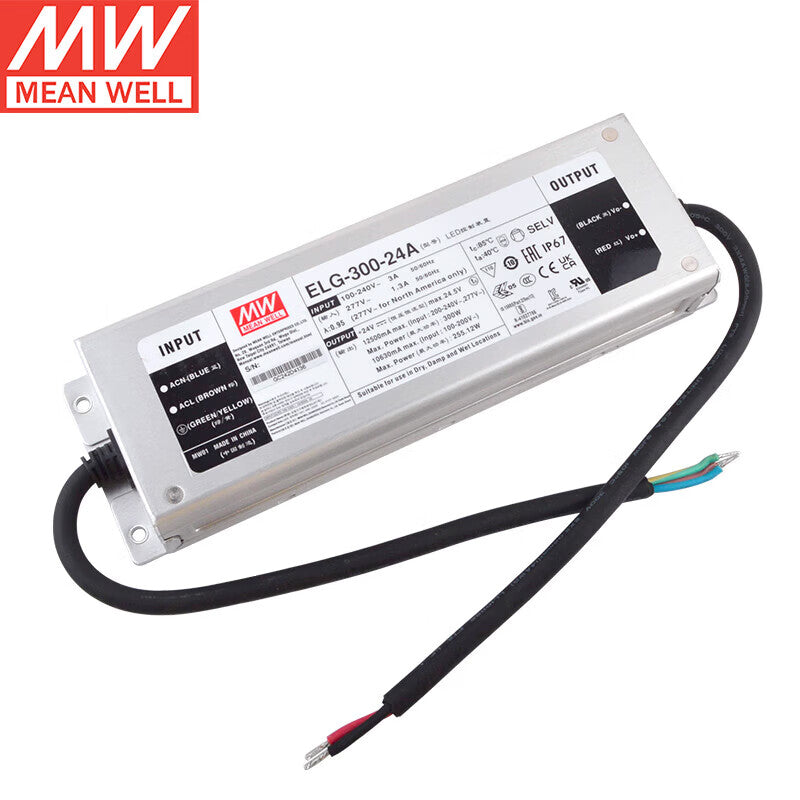
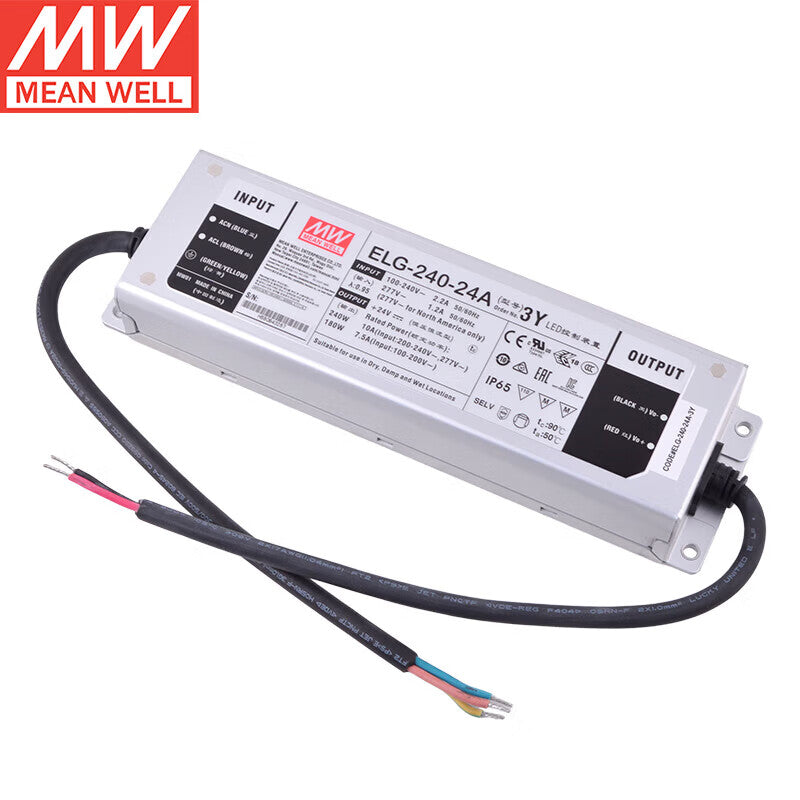
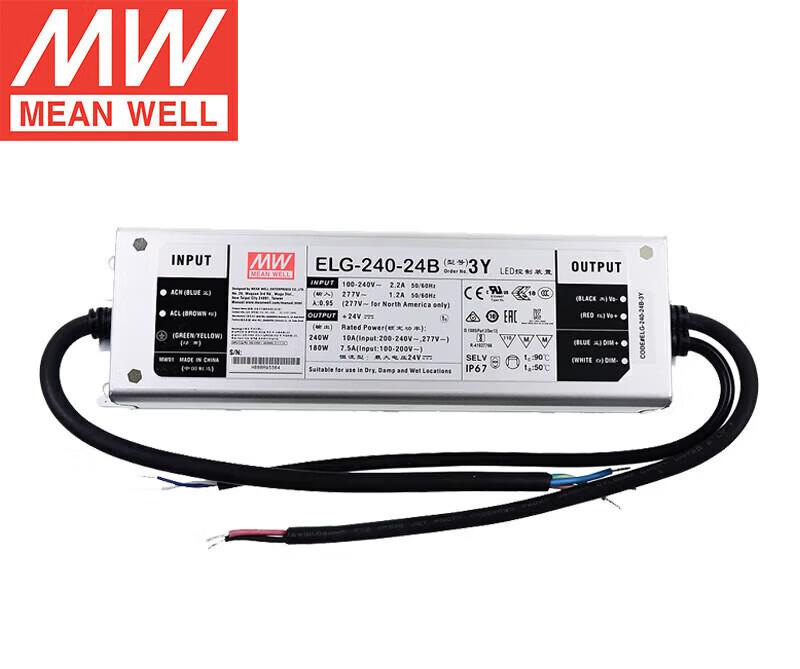
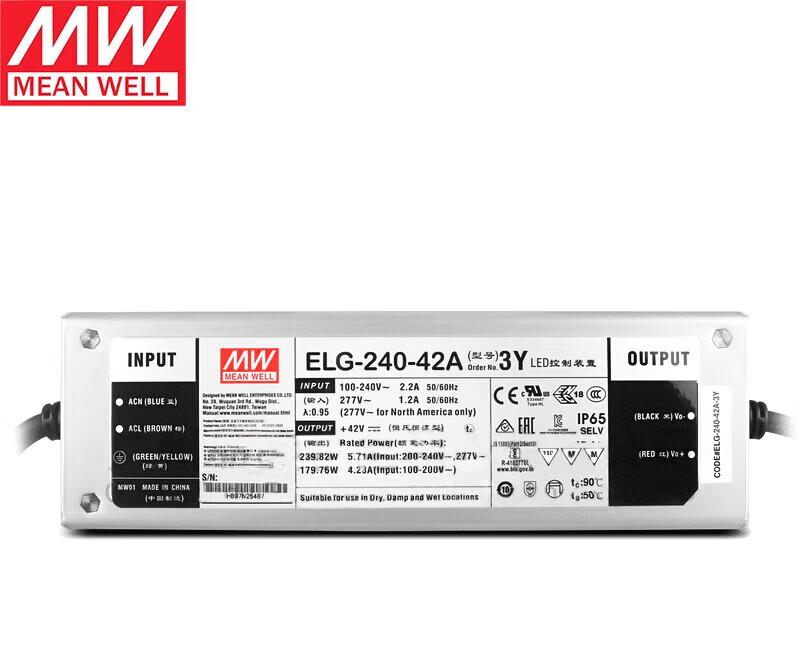
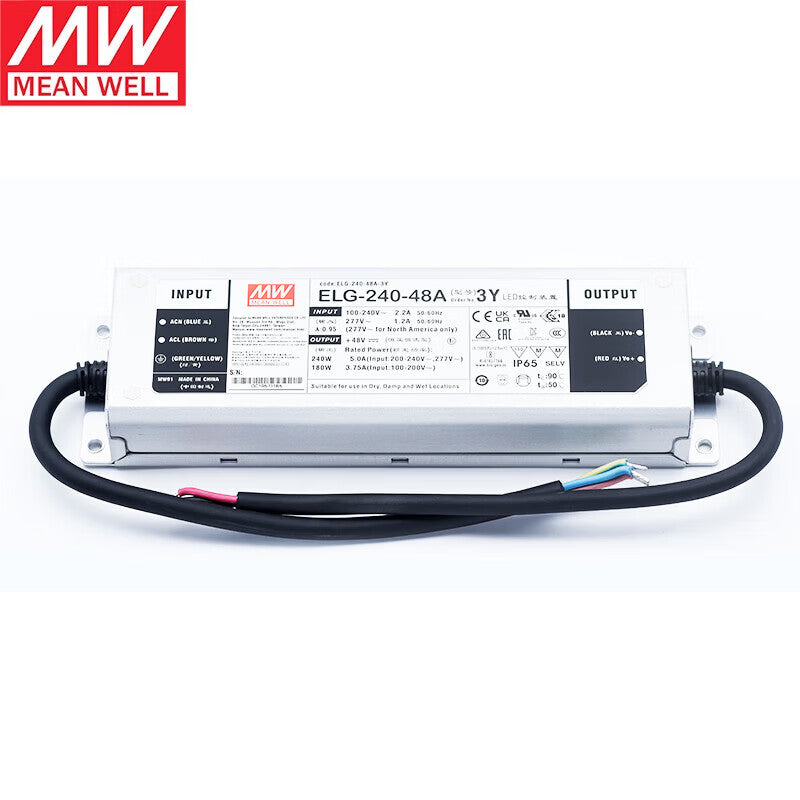


Core Concepts in Simple Terms
AC (Alternating Current): Electricity that changes direction regularly. Think of it as a wave that flows back and forth.
- Common Sources: Wall outlets, generators, power grid
- Visualize: Ocean waves rolling in and out
DC (Direct Current): Electricity that flows in one direction constantly. Think of it as a steady stream.
- Common Sources: Batteries, solar panels, USB ports
- Visualize: River flowing consistently downstream
Key Comparison Table
| Feature | AC Power Supply | DC Power Supply |
|---|---|---|
| Direction | Alternates (back and forth) | Constant (one way) |
| Voltage | Changes sinusoidally | Steady straight line |
| Frequency | 50Hz or 60Hz (cycles per second) | 0Hz (no frequency) |
| Energy Loss | Lower over long distances | Higher over long distances |
| Conversion | Easy to convert to DC | Harder to convert to AC |
| Safety | More dangerous at same voltage | Generally safer at low voltage |
| Common Uses | Home/office outlets, large motors | Electronics, batteries, vehicles |
Why We Need Both Types
AC’s Superpower: Long-Distance Travel
AC dominates our power grid because it can travel hundreds of miles with minimal loss. Transformers easily increase AC voltage for transmission (to 110kV or higher), then decrease it for homes (120V/240V). DC struggles with efficient voltage conversion.
DC’s Superpower: Electronics Compatibility
Every digital device (phones, computers, TVs) runs on DC internally. AC must be converted to DC before use in electronics. Batteries naturally produce DC power.
Real-World Examples
Home Scenario:
Wall Outlet (AC 120V)
    ↓
Laptop Power Adapter (converts AC to DC)
    ↓
Laptop Battery (stores DC)
    ↓
Laptop Circuits (run on DC)
Industrial Scenario:
Power Plant (generates AC)
    ↓
Transmission Lines (high-voltage AC)
    ↓
Substation (converts voltage)
    ↓
Factory Motor (runs on AC)
    ↓
Robot Controller (converts to DC)
    ↓
Circuit Board (runs on DC)
Power Supply Types Explained
AC Power Supplies
-
Unregulated Transformer
- Simple, inexpensive
- Output varies with input
- Used in basic appliances
-
Variable AC Source
- Adjustable voltage/frequency
- Used for testing equipment
-
UPS (Uninterruptible)
- Provides backup during outages
- Critical for servers, medical equipment
DC Power Supplies
-
Linear Power Supply
- Clean, low-noise output
- Bulky and less efficient
- Used in audio equipment, labs
-
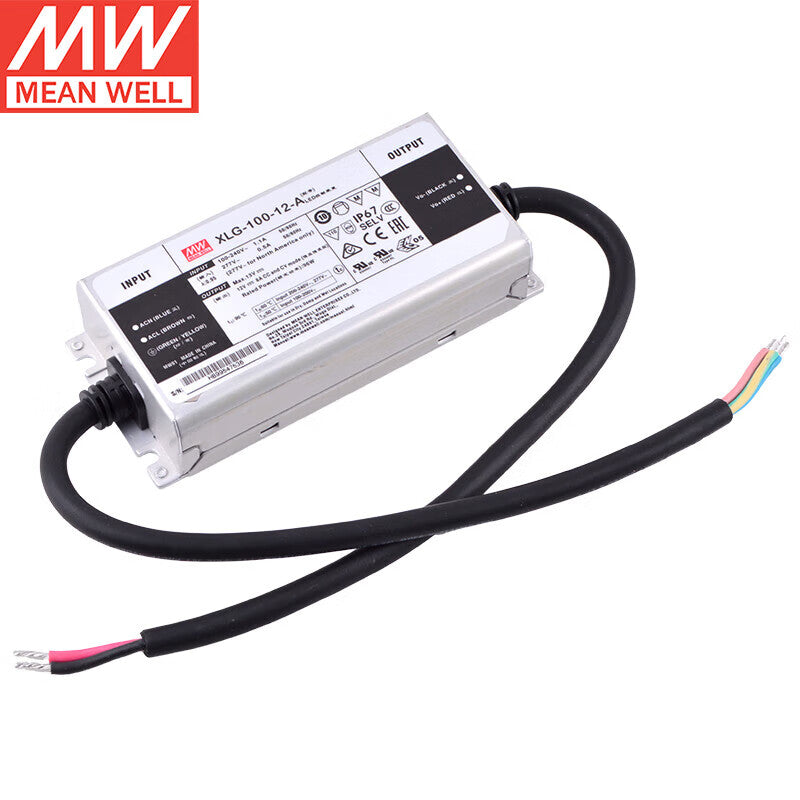
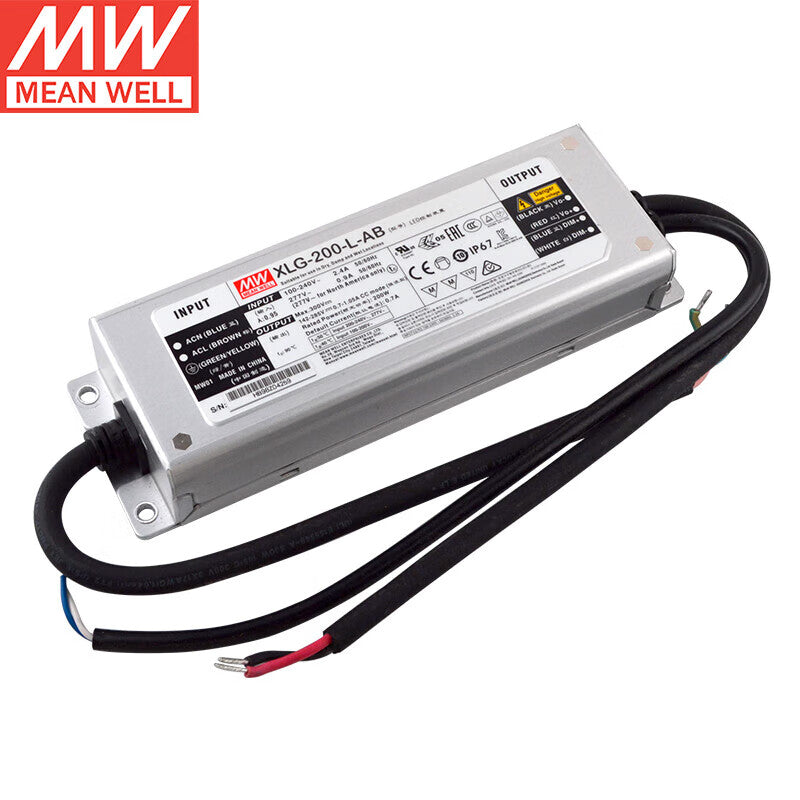
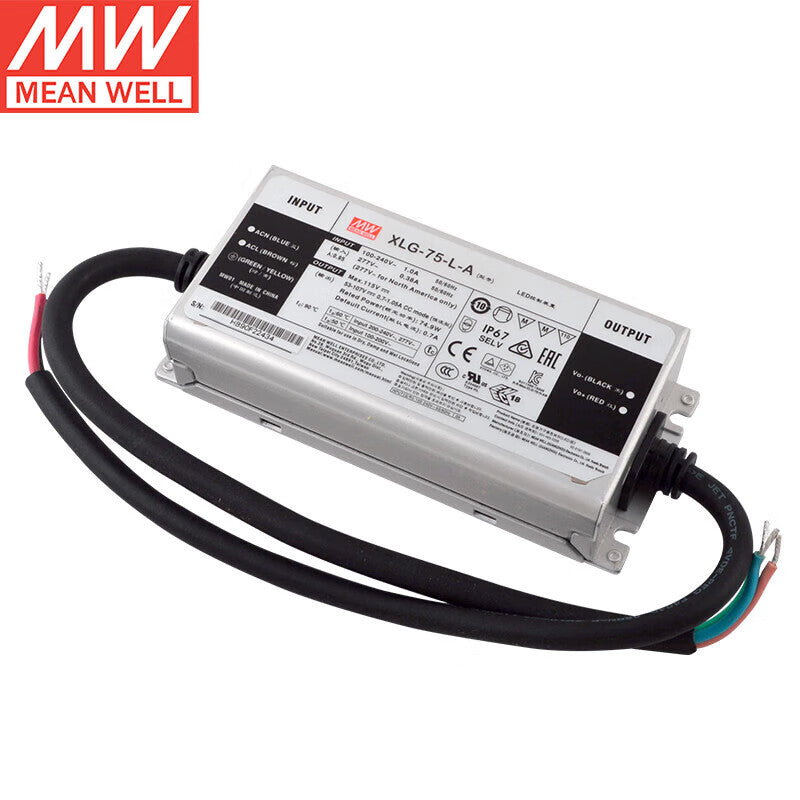
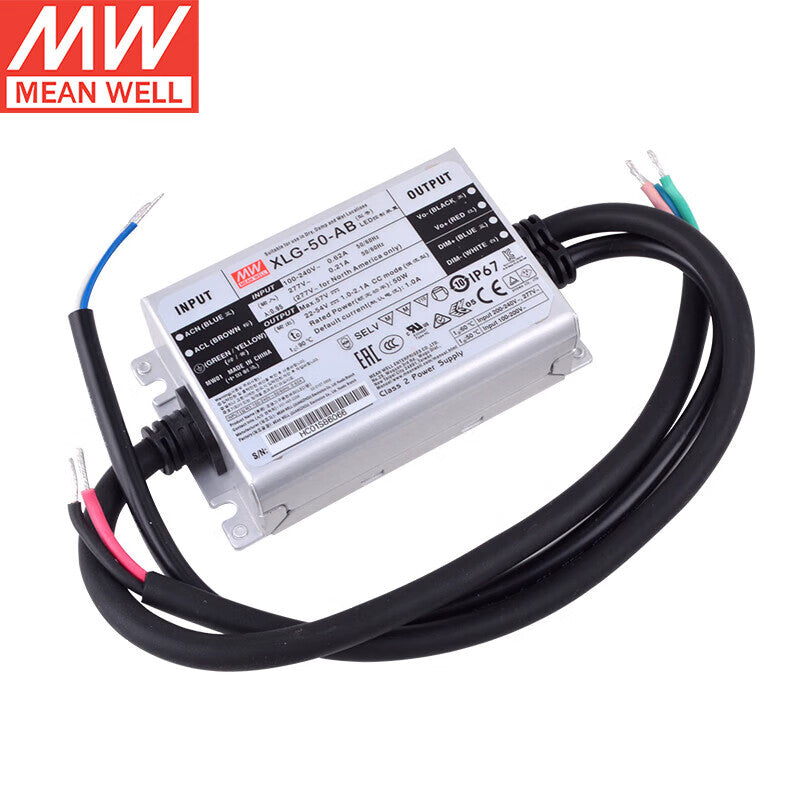
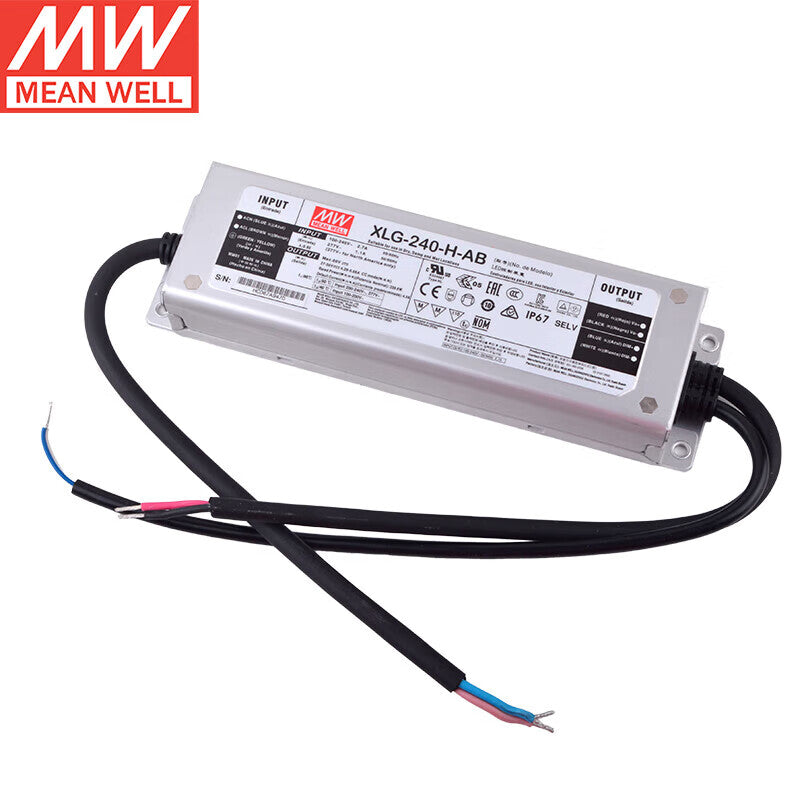
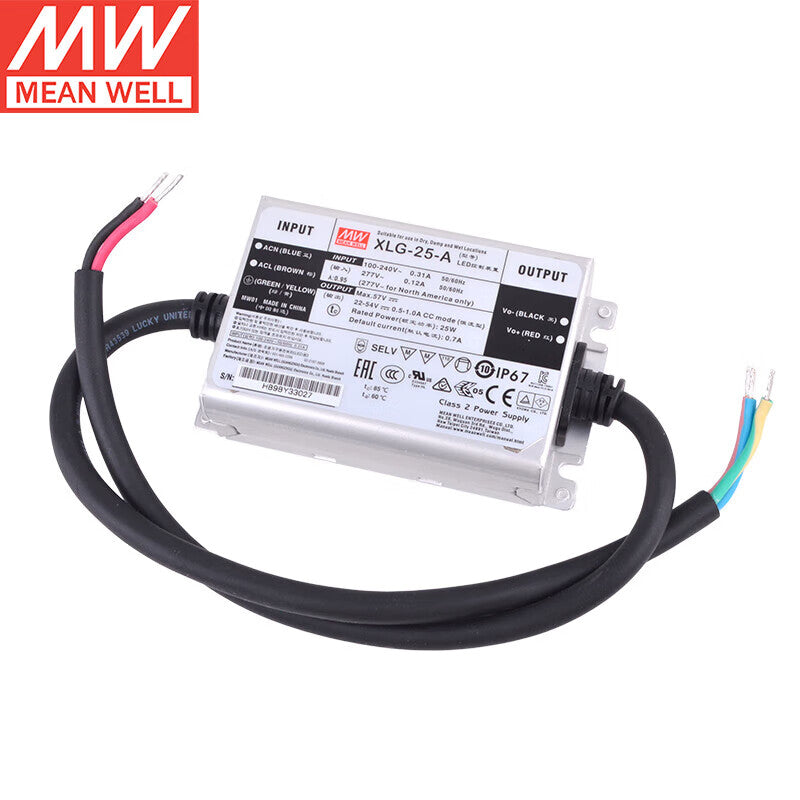
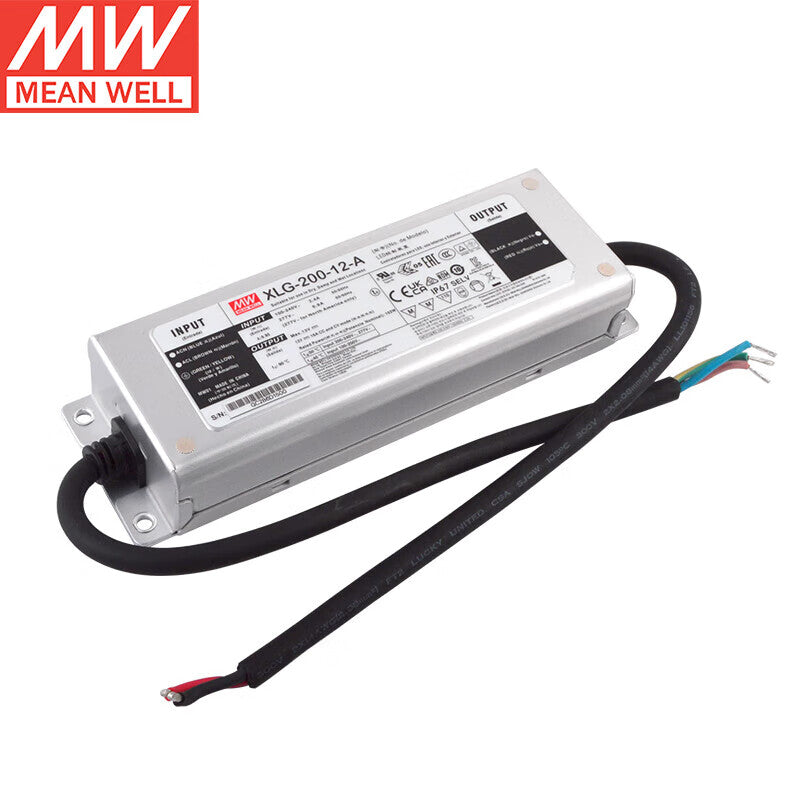
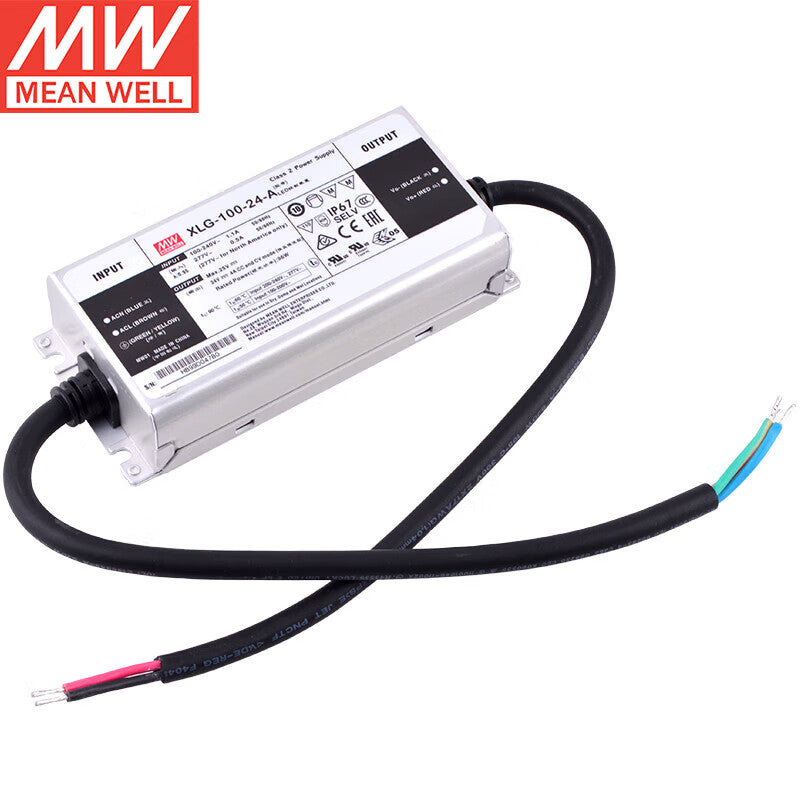
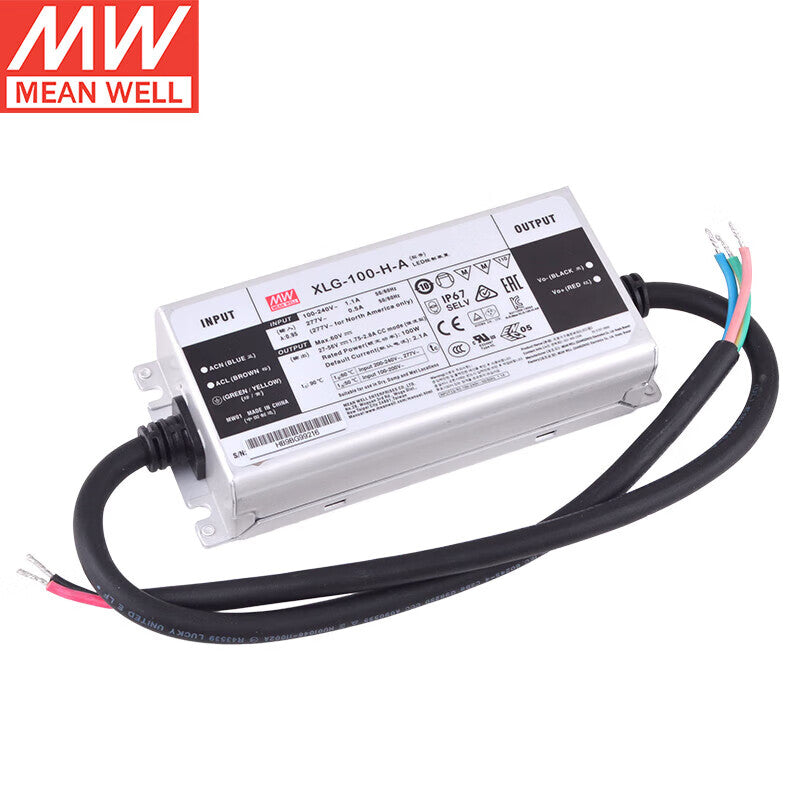
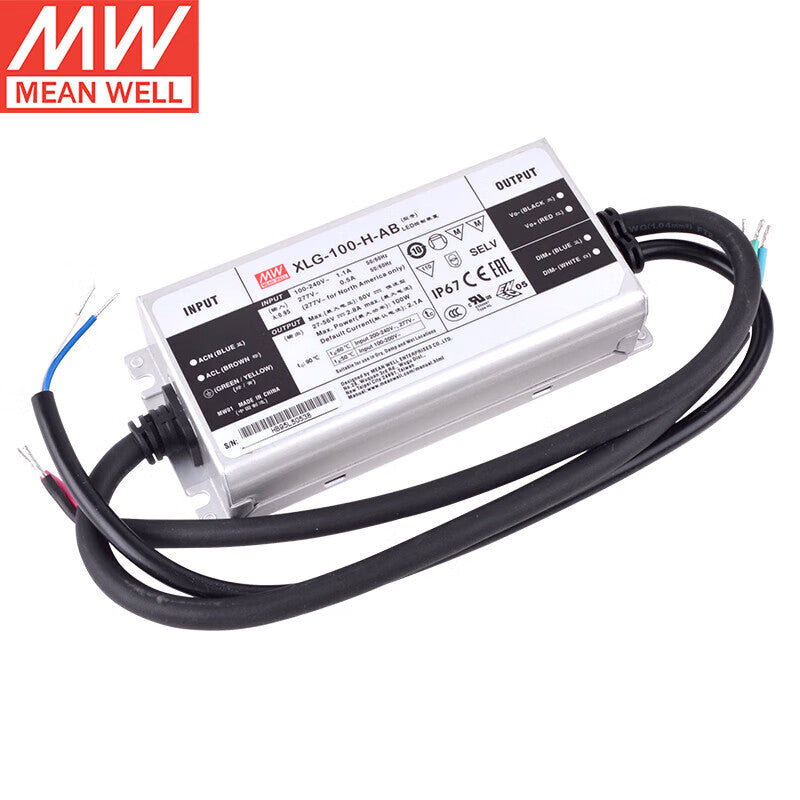
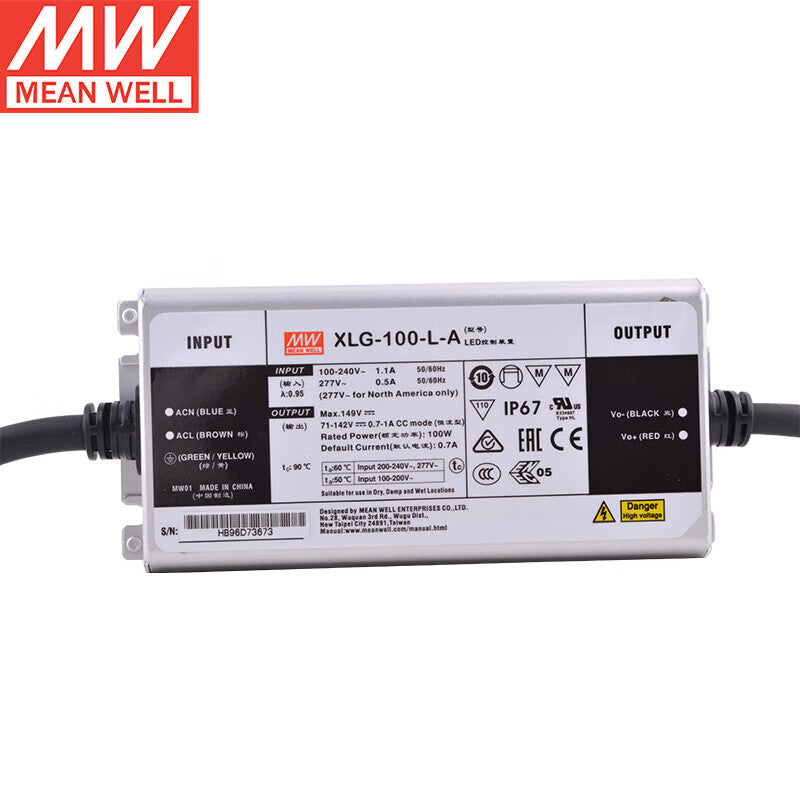
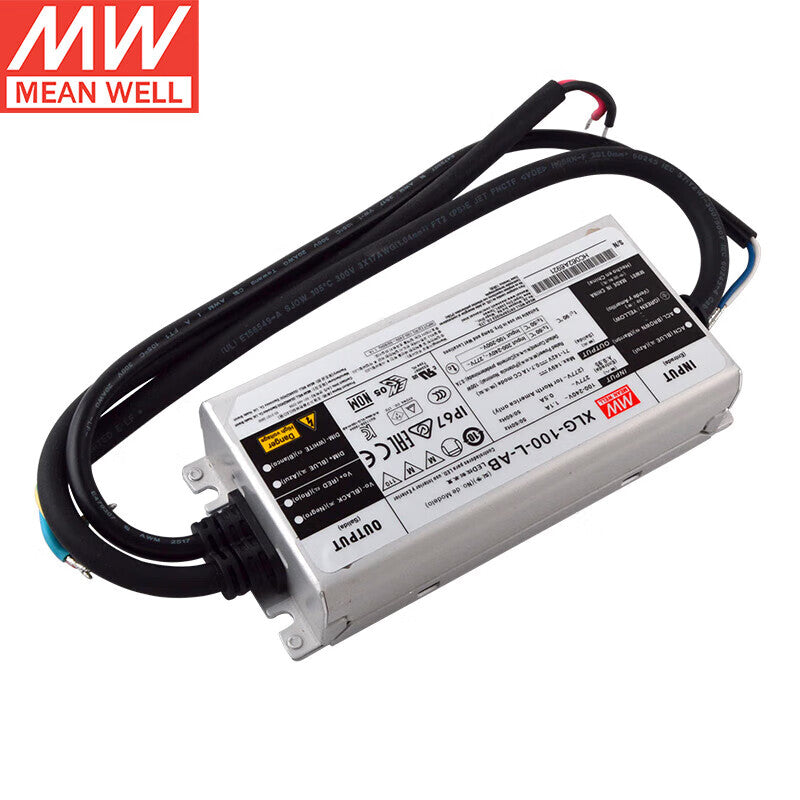
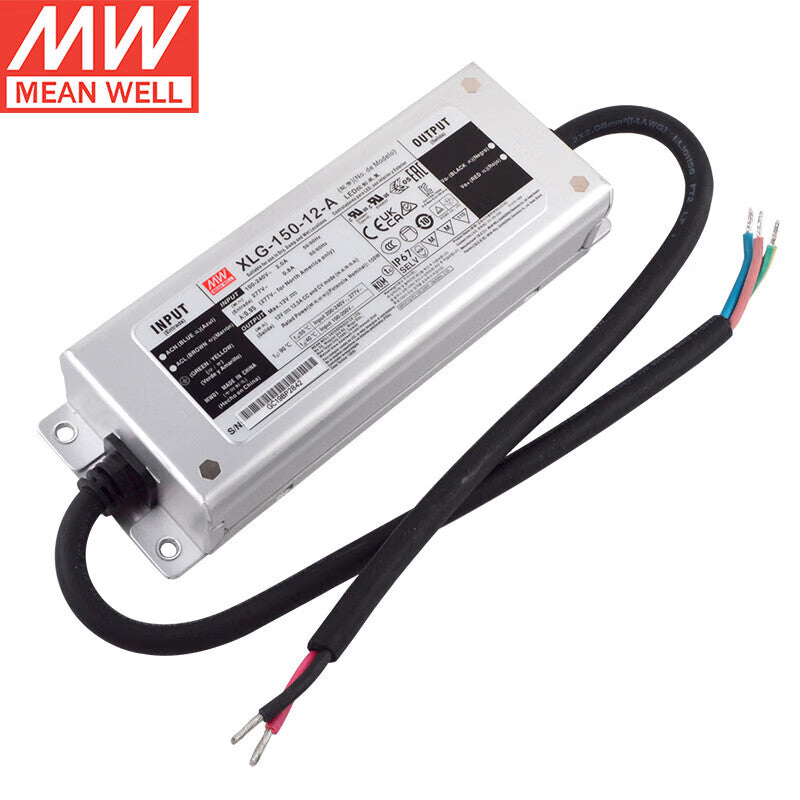
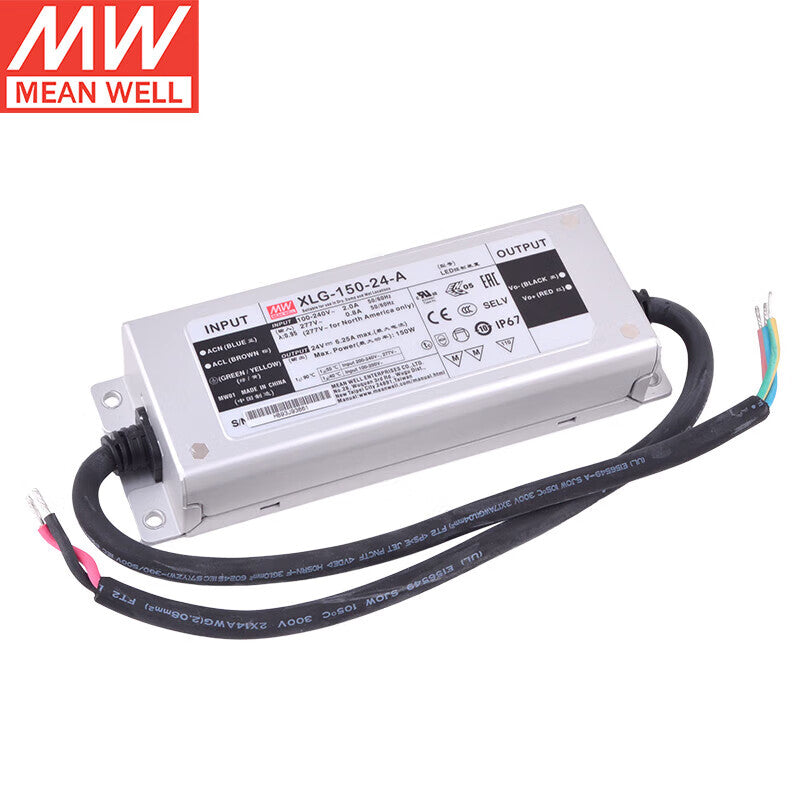
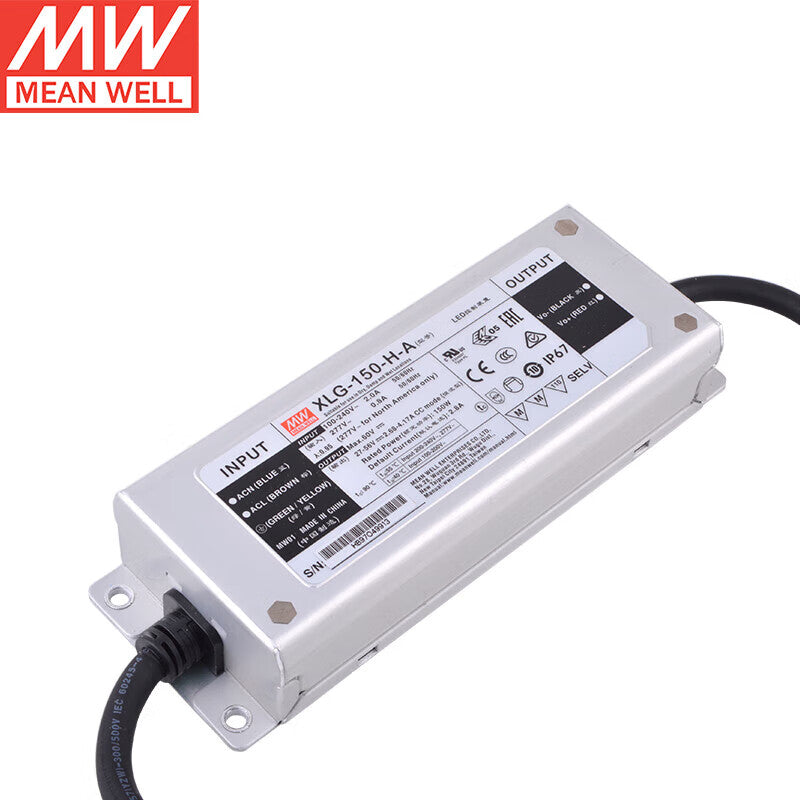
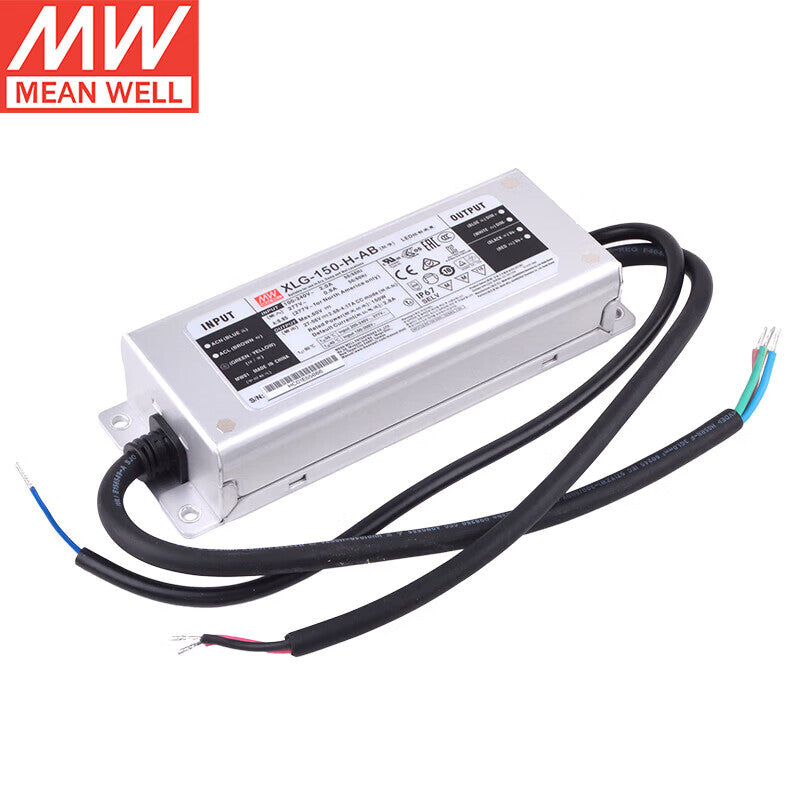
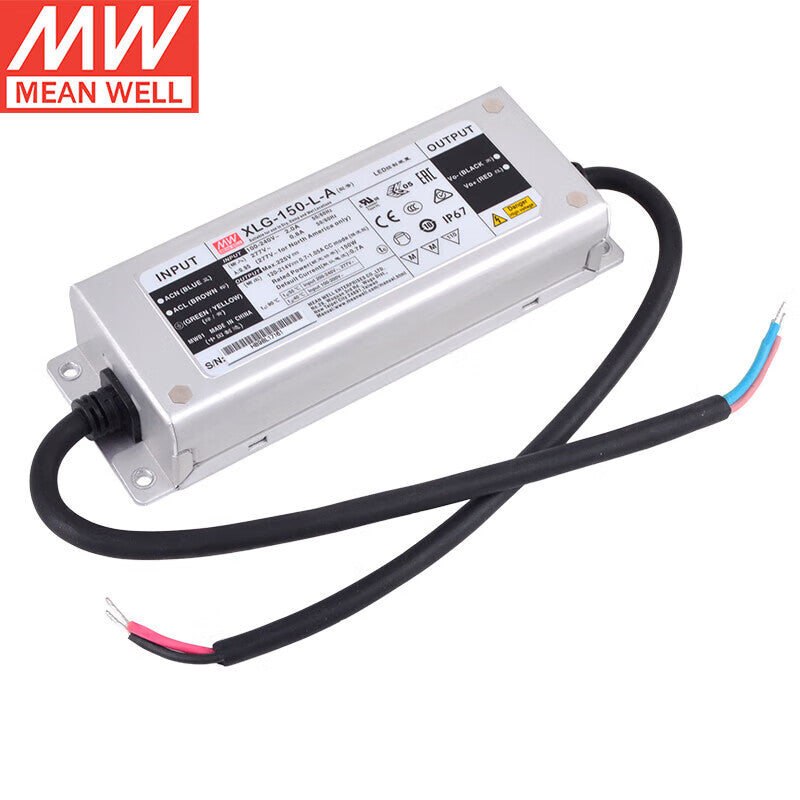
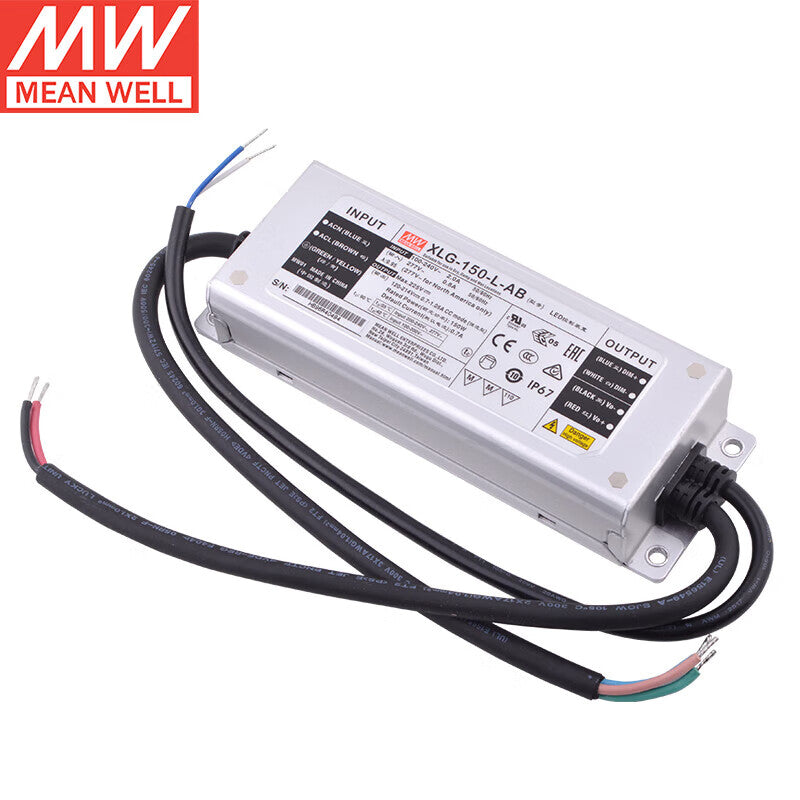
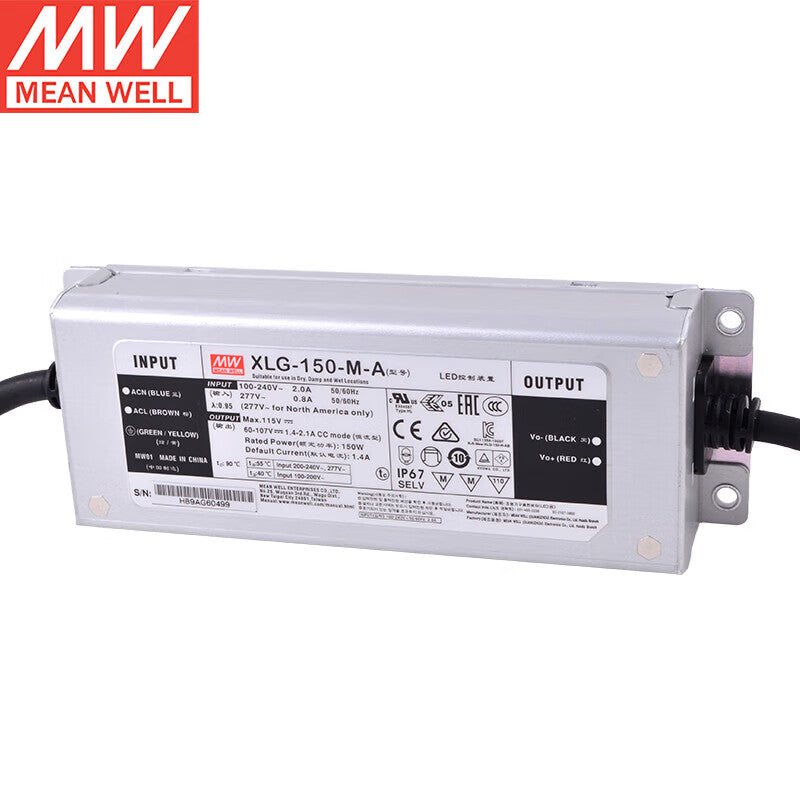
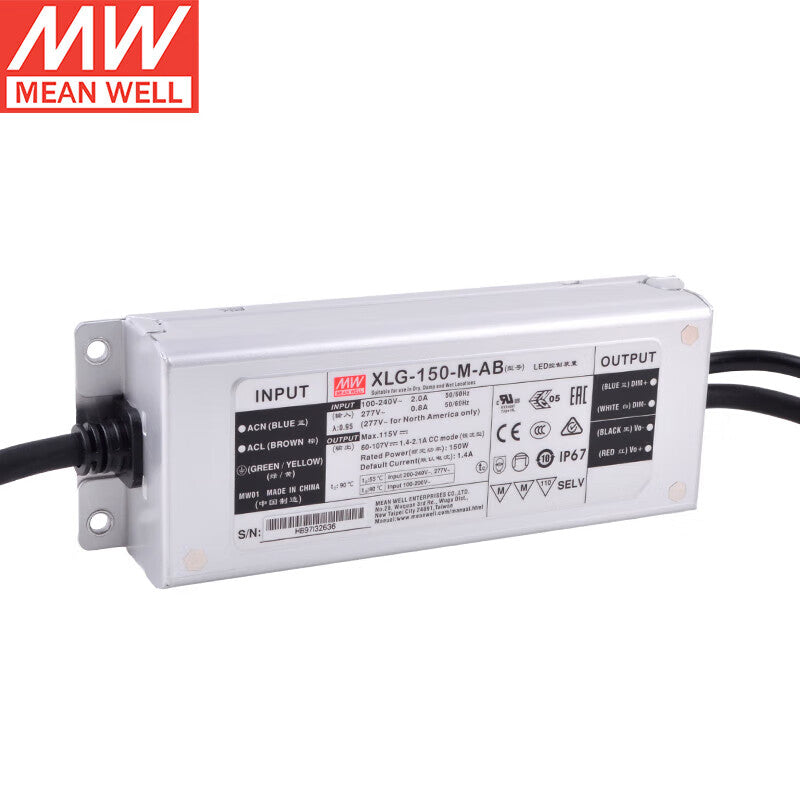
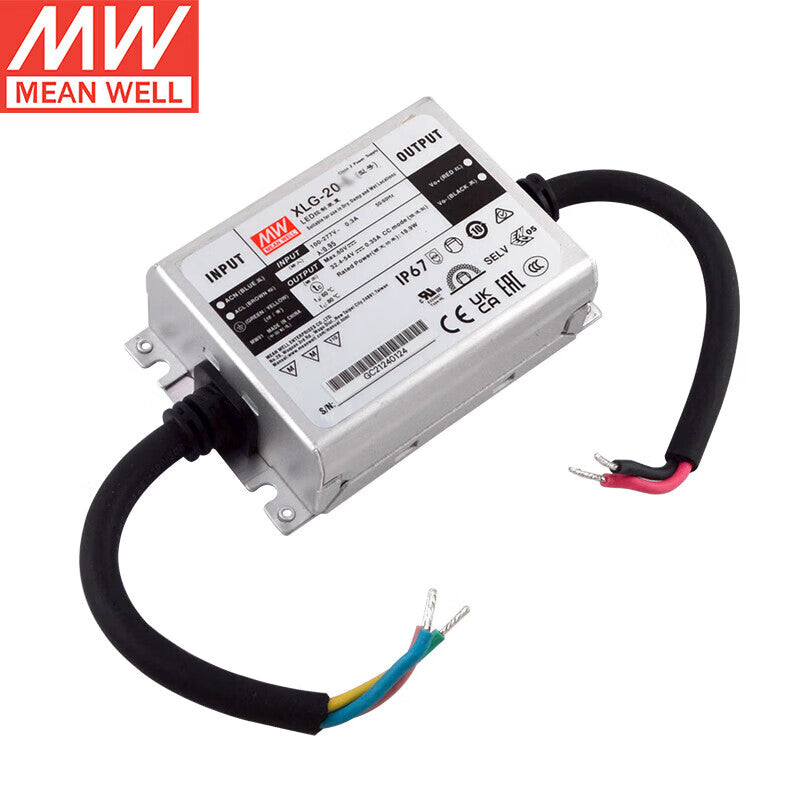
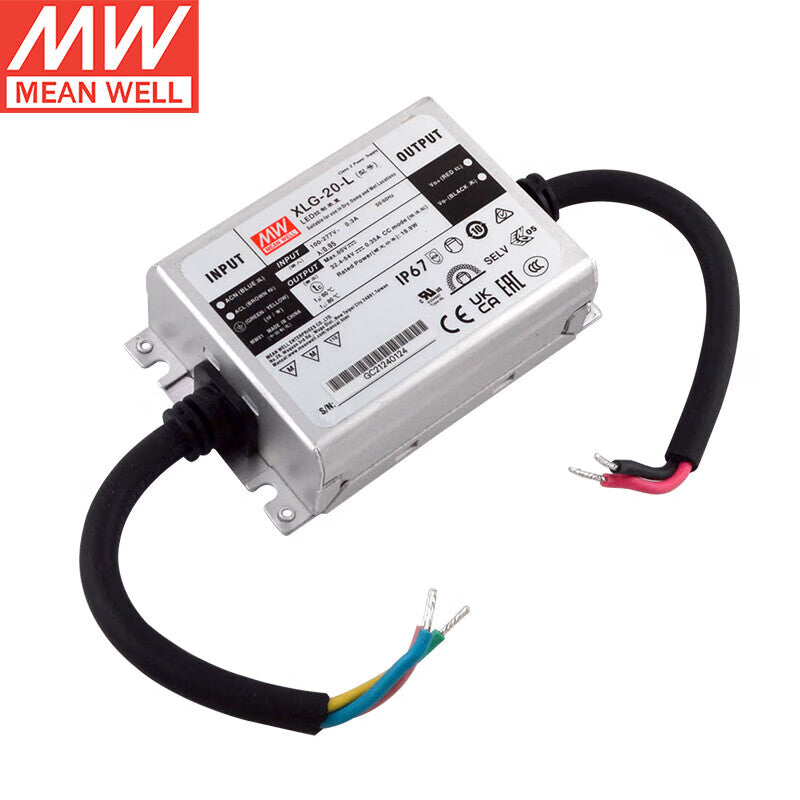
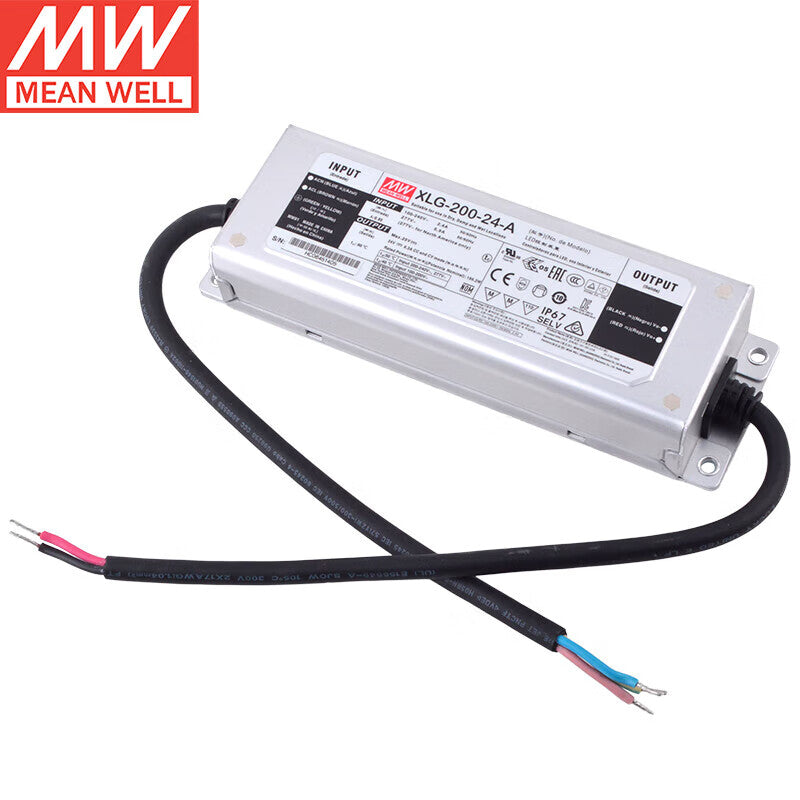
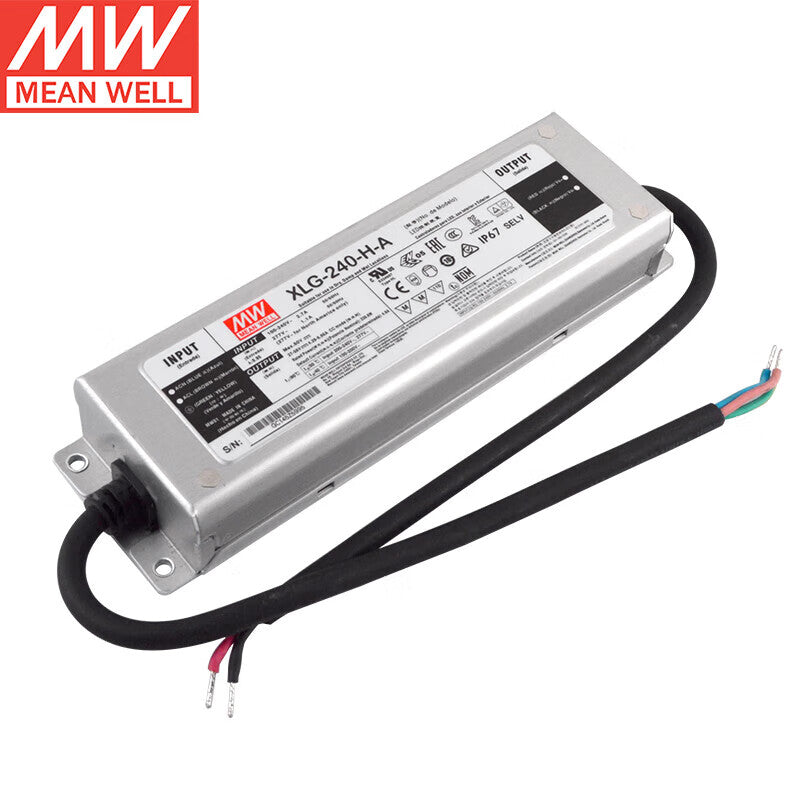
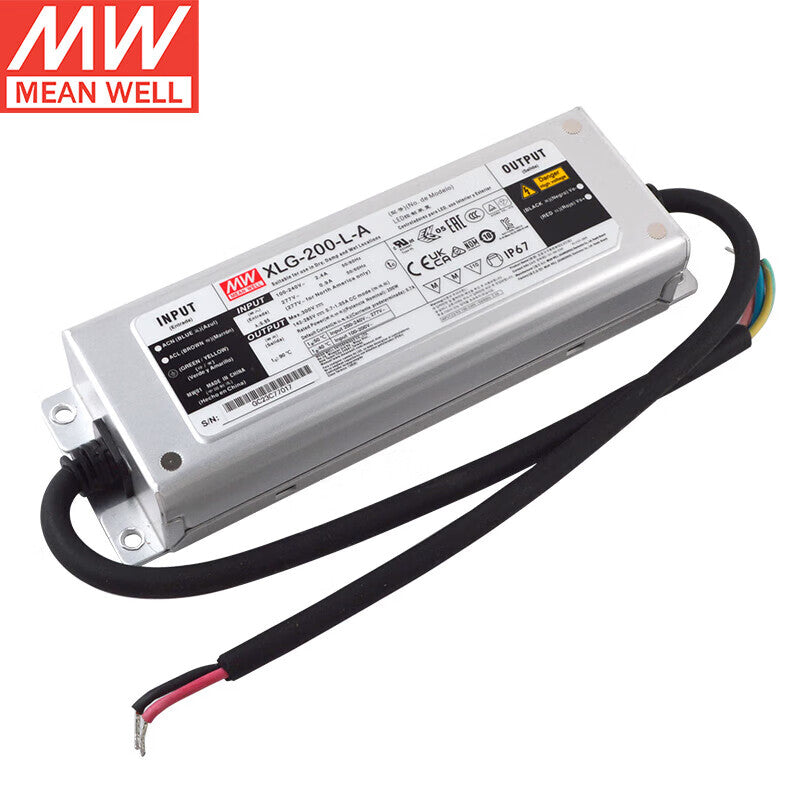
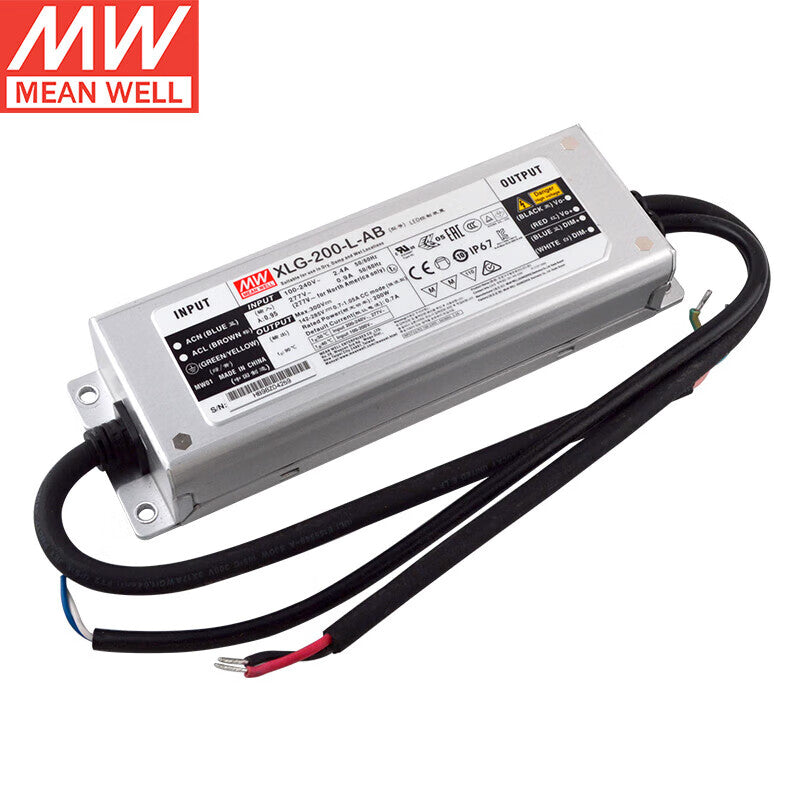
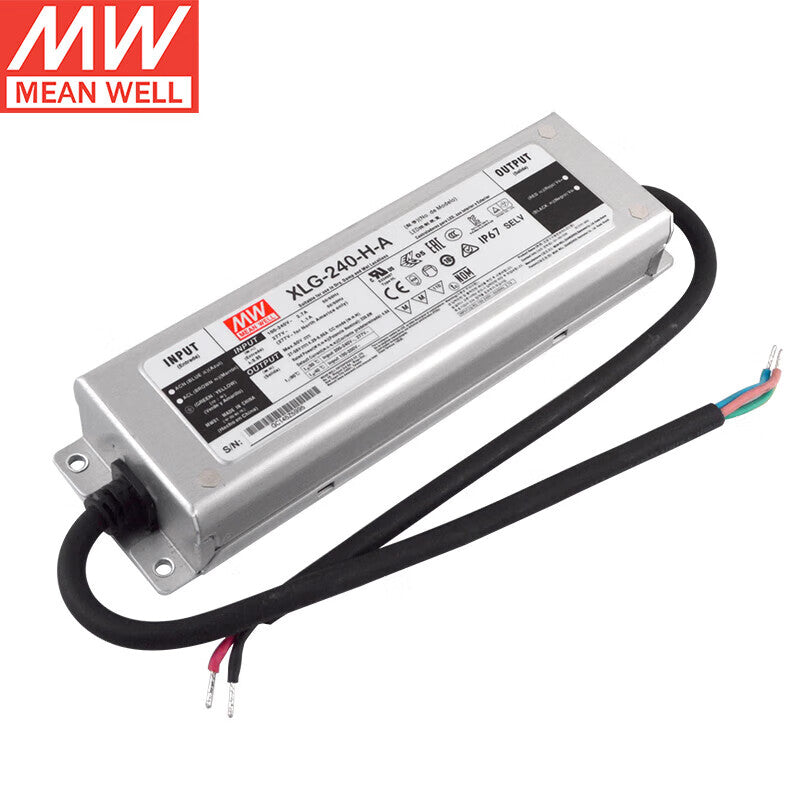
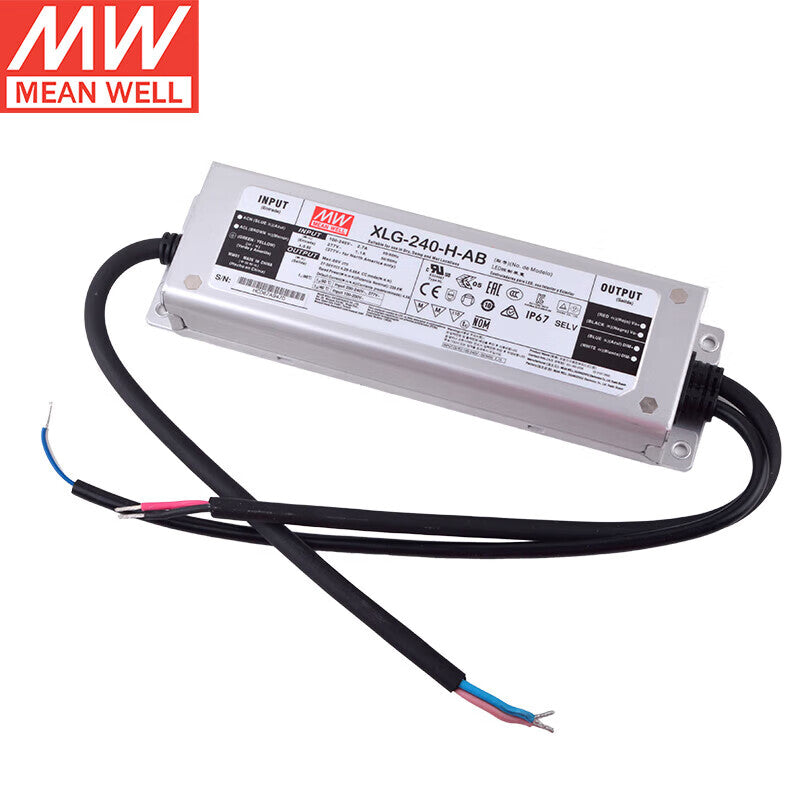
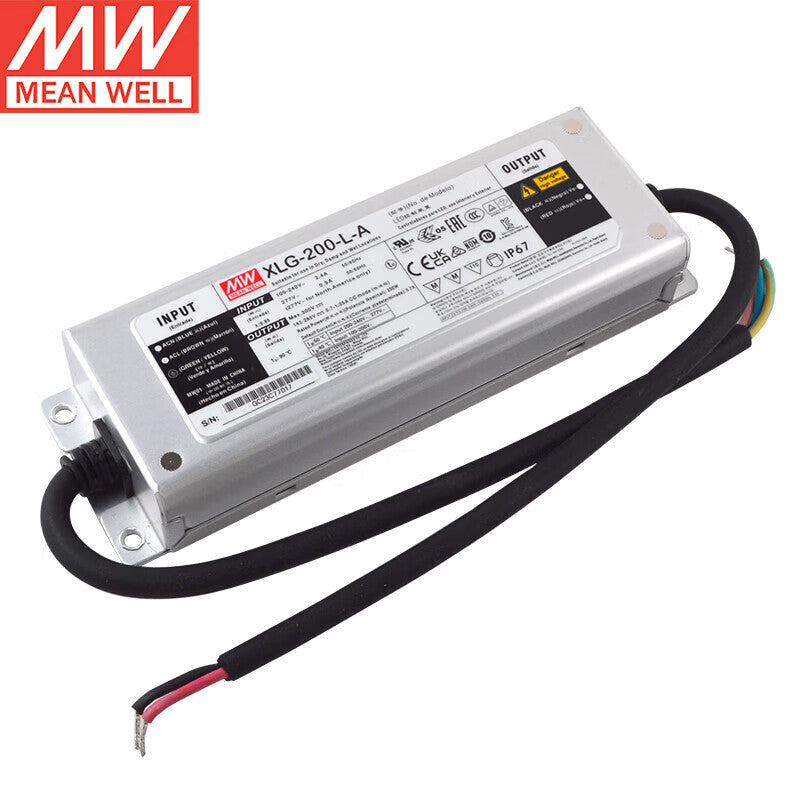
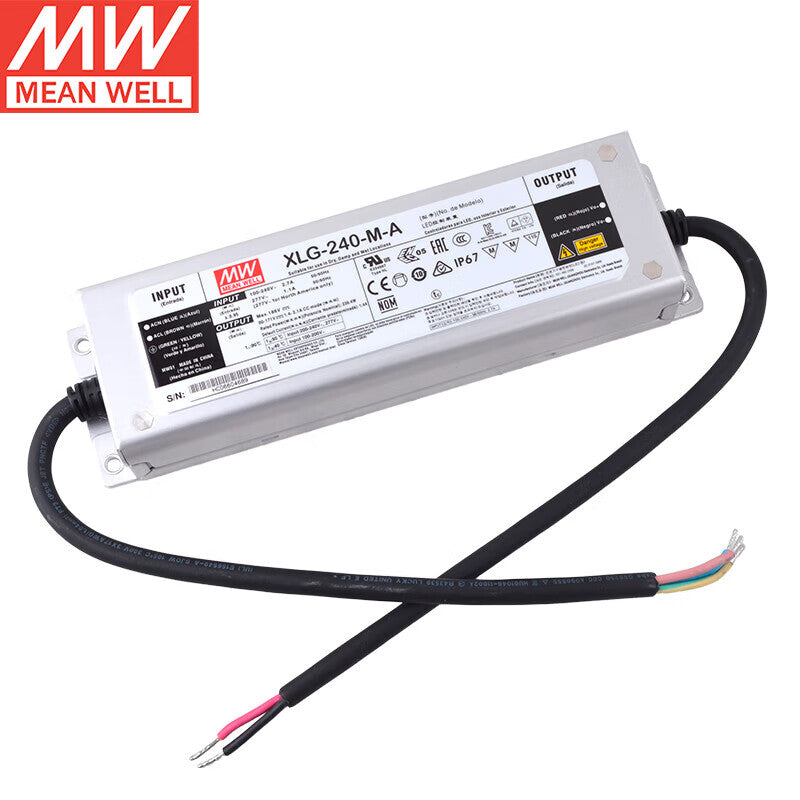
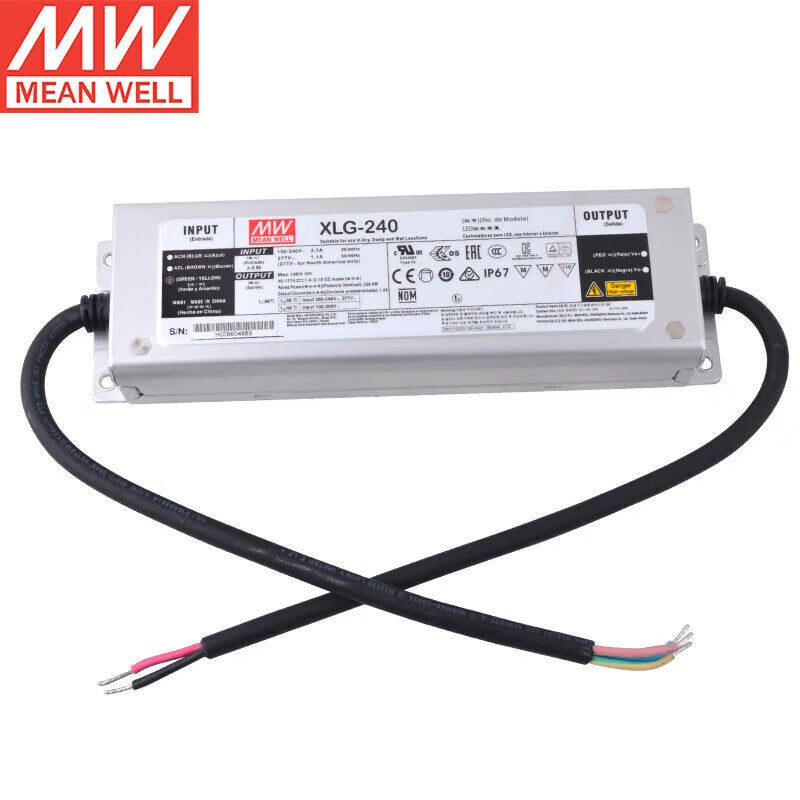
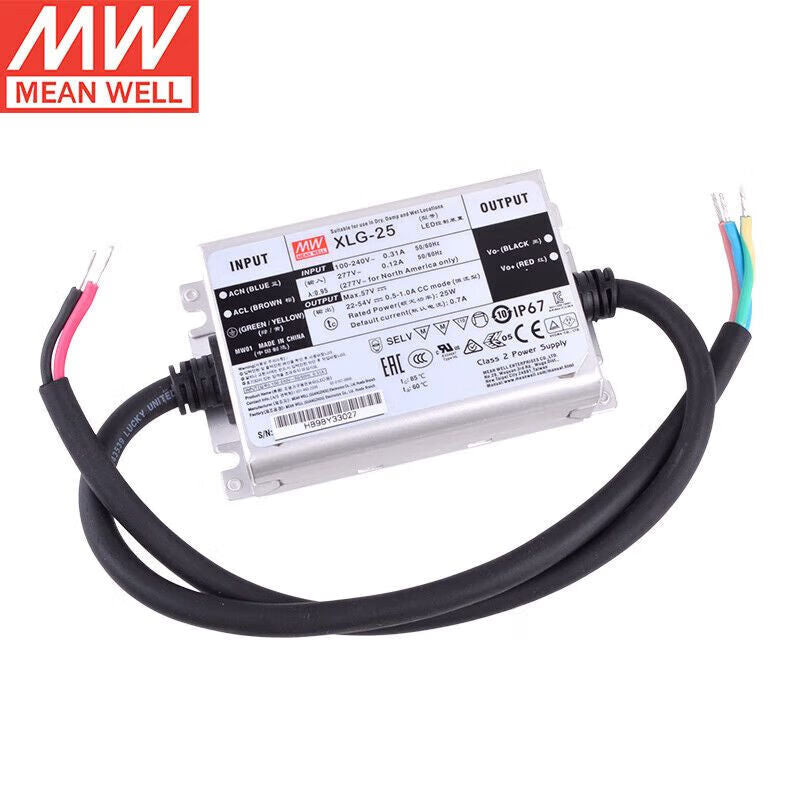
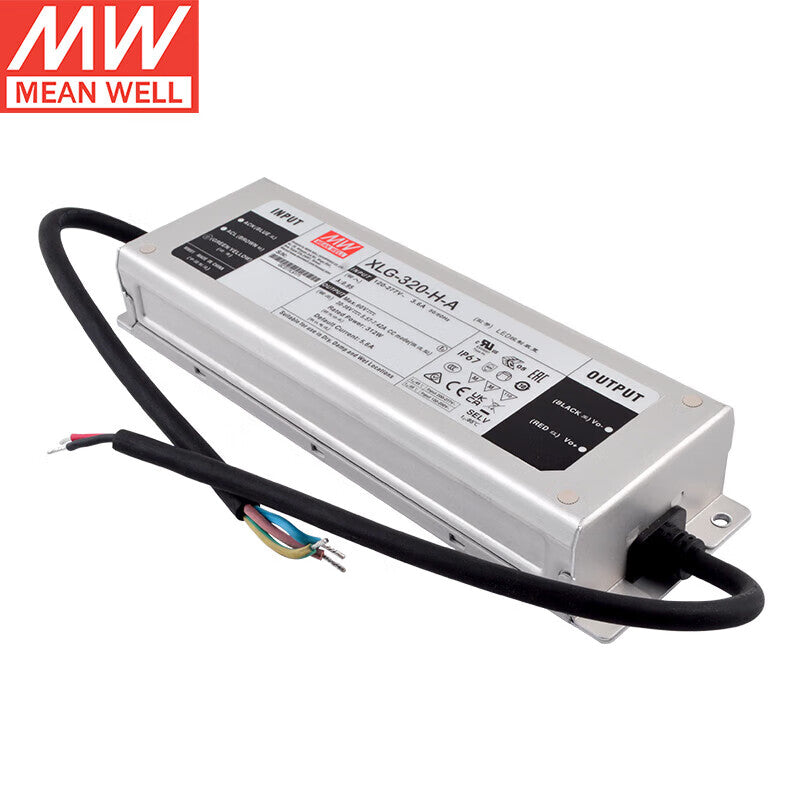
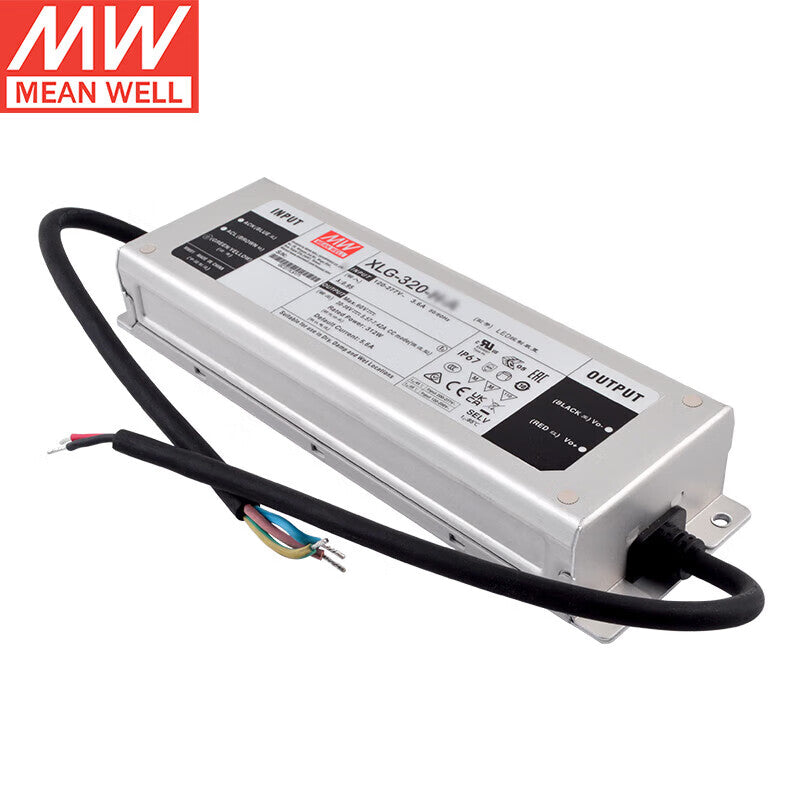
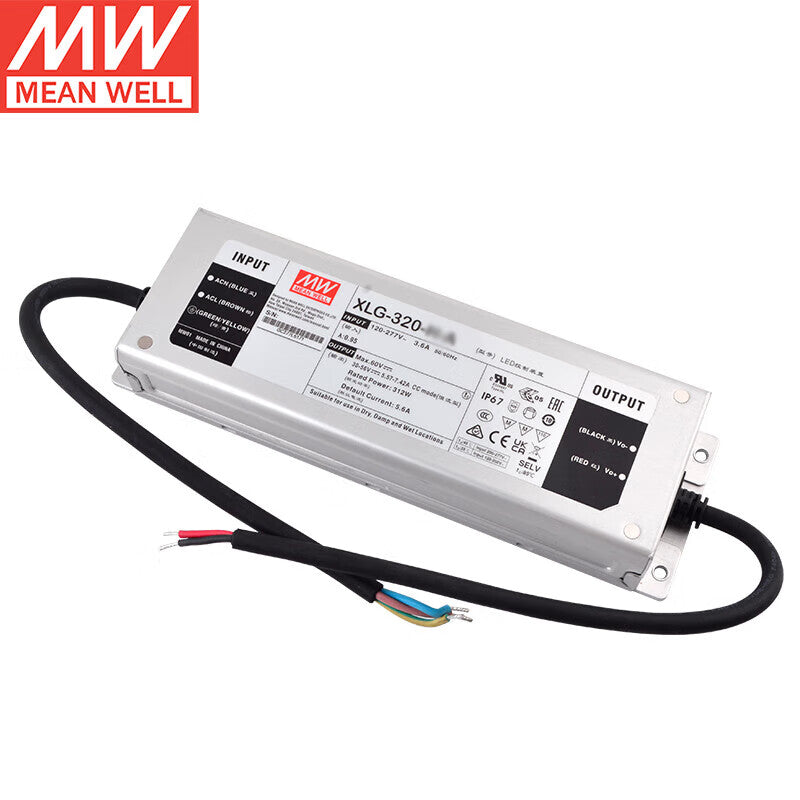
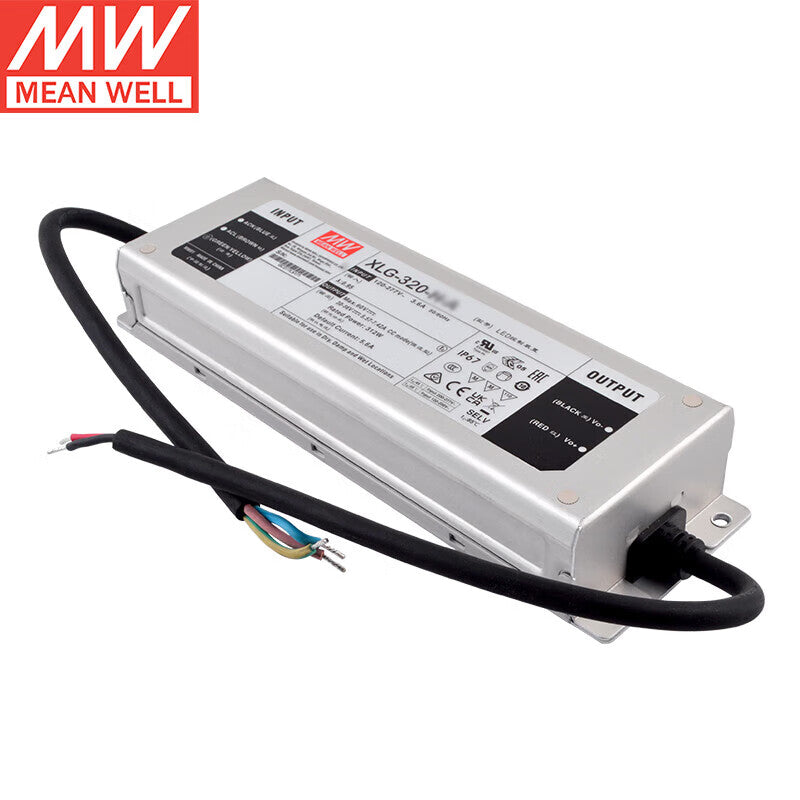
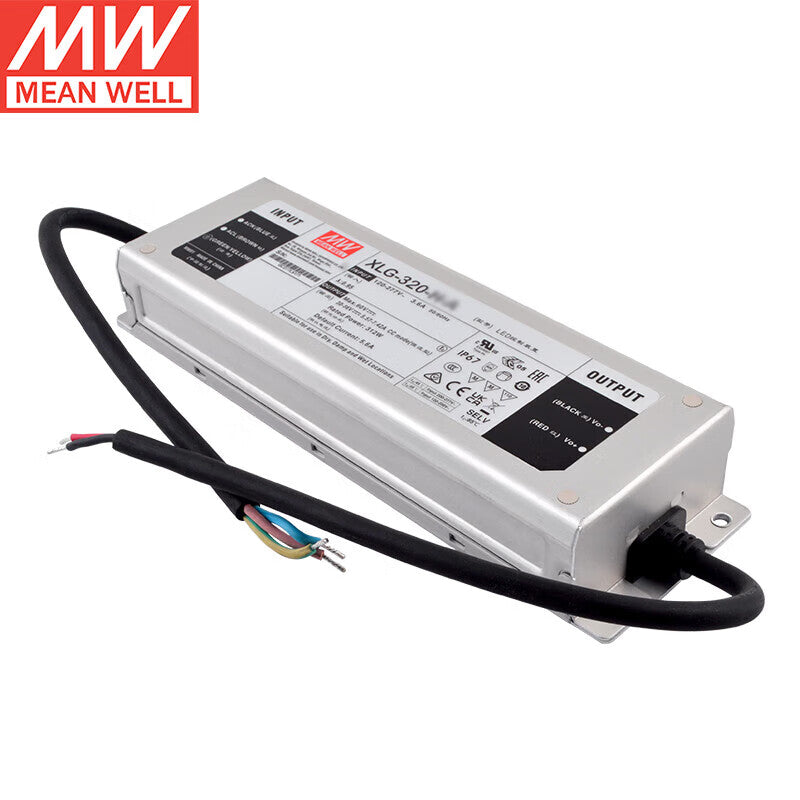
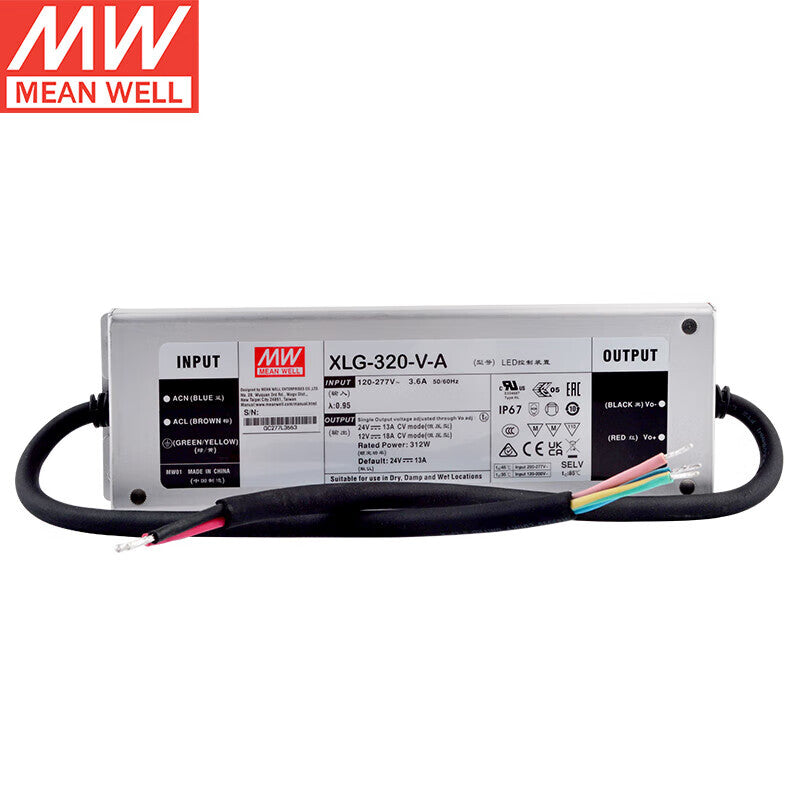
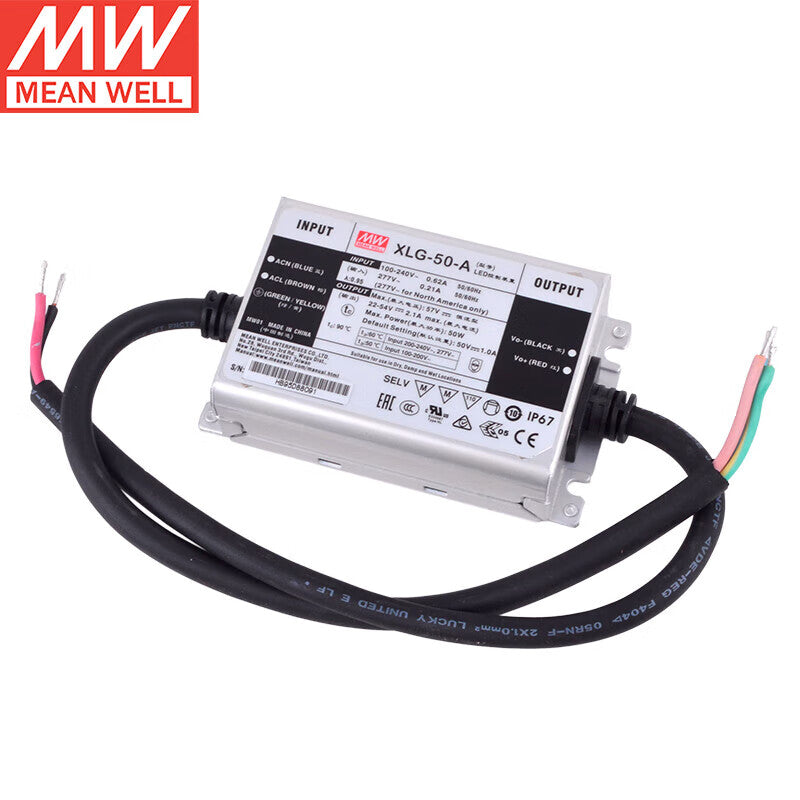
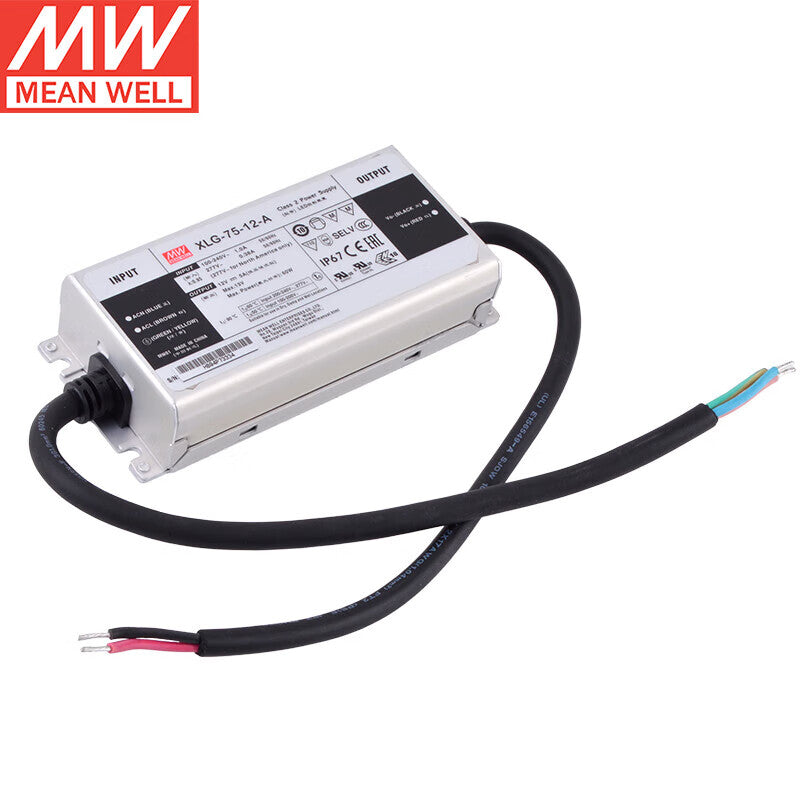
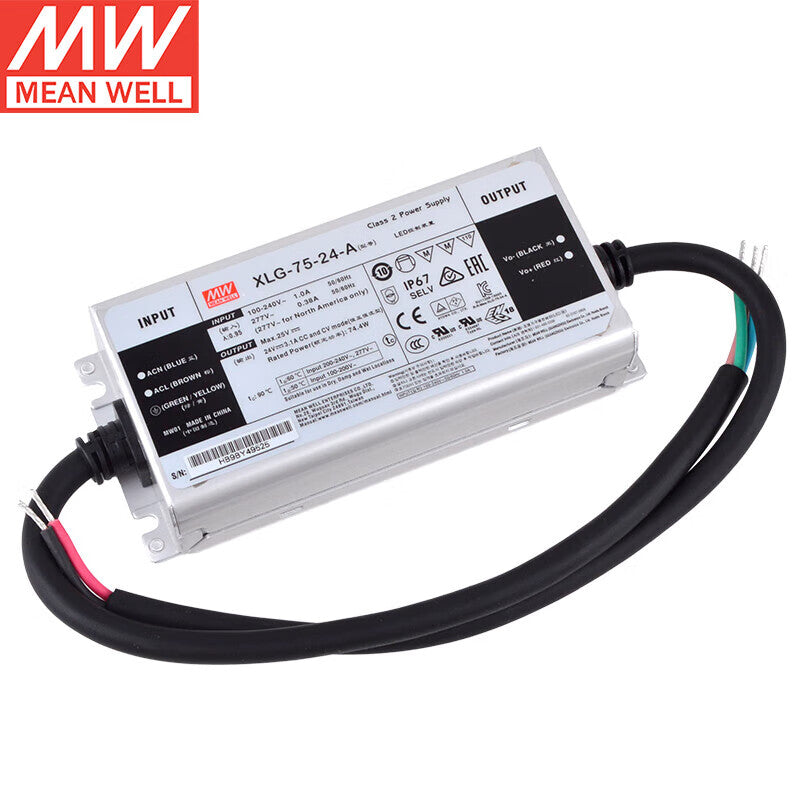
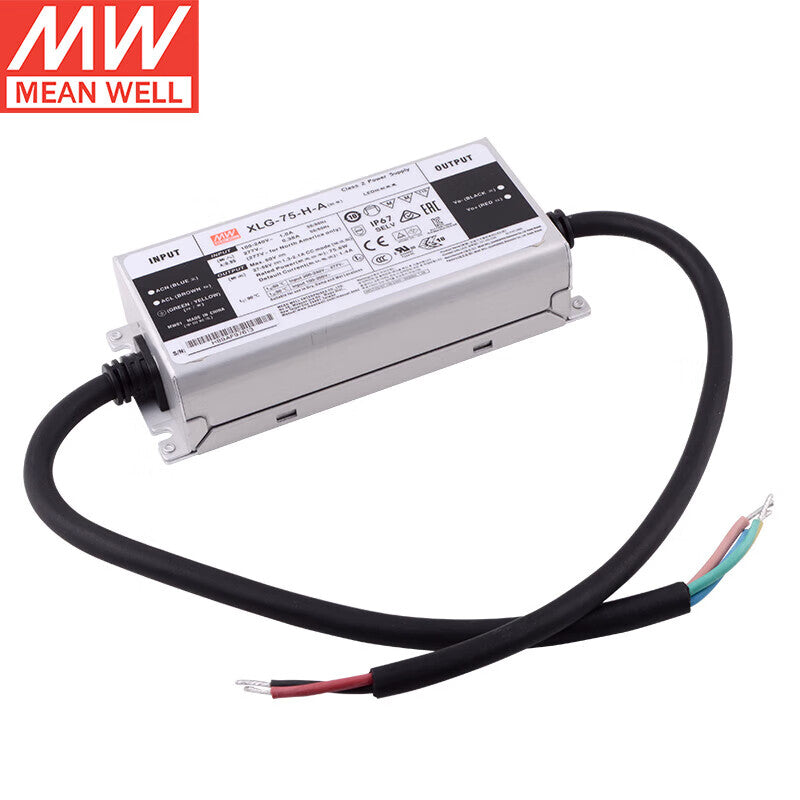
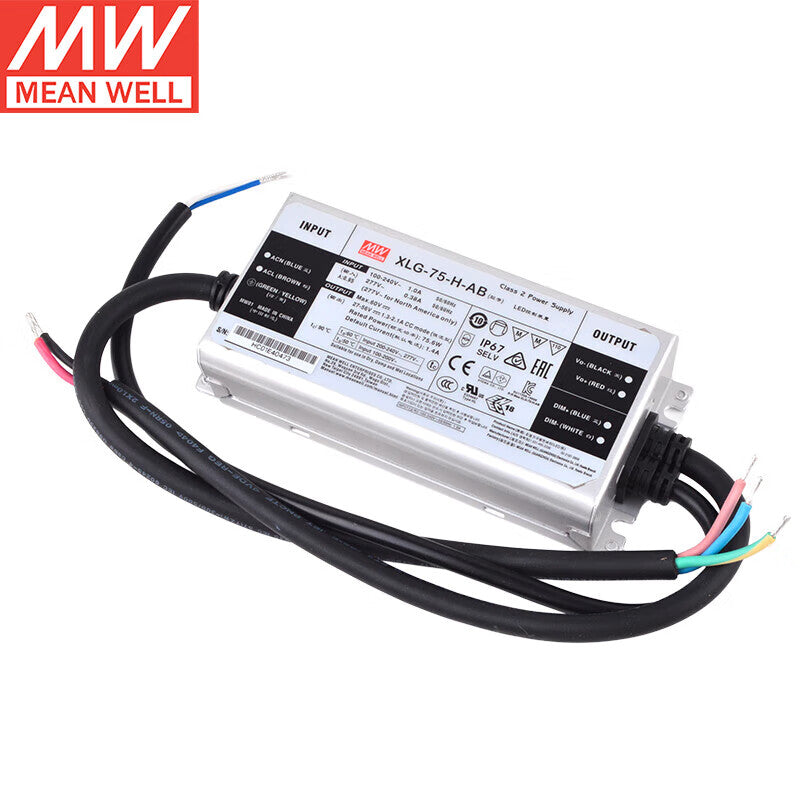
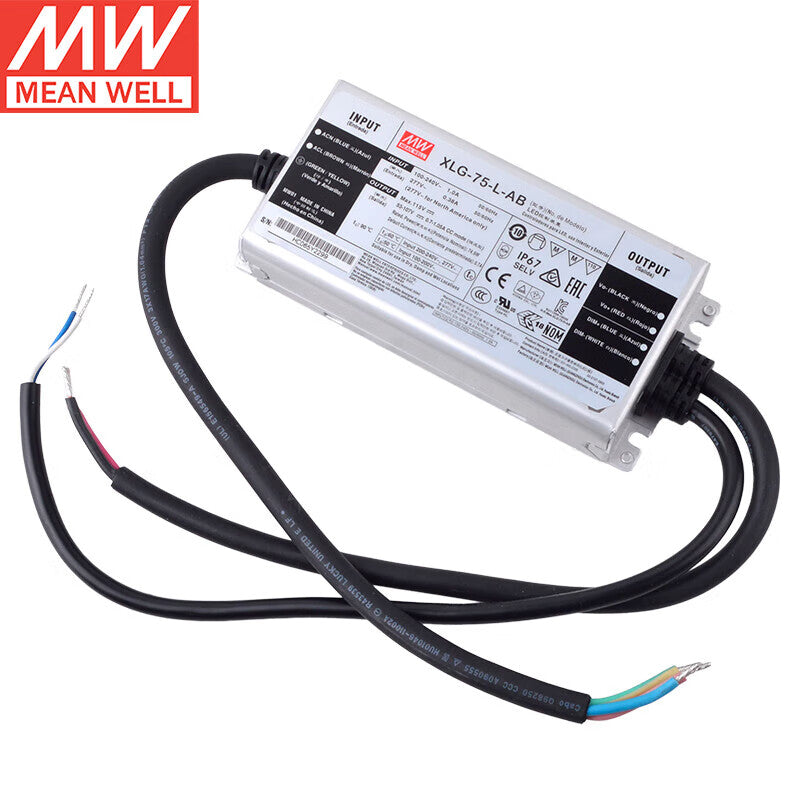
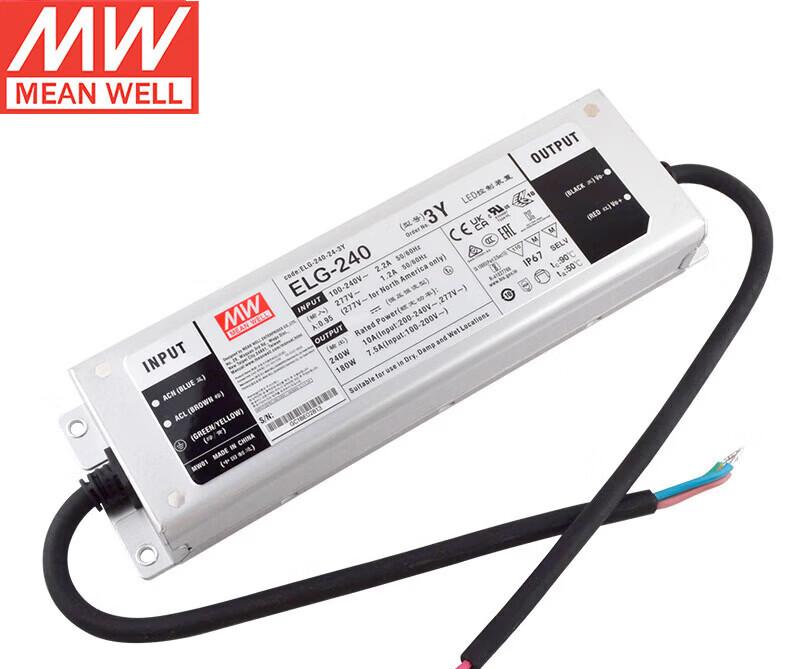
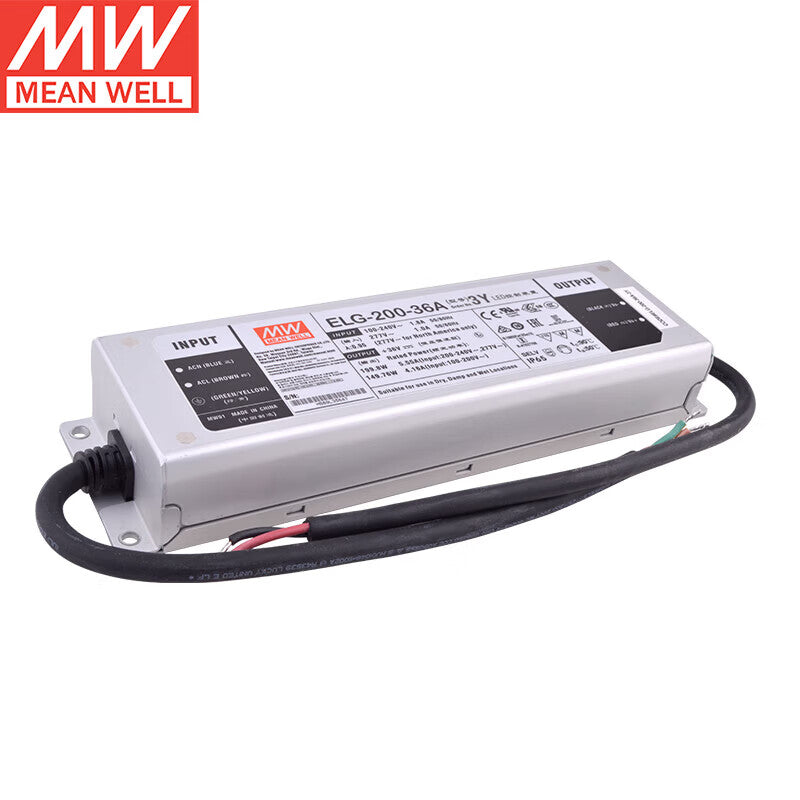
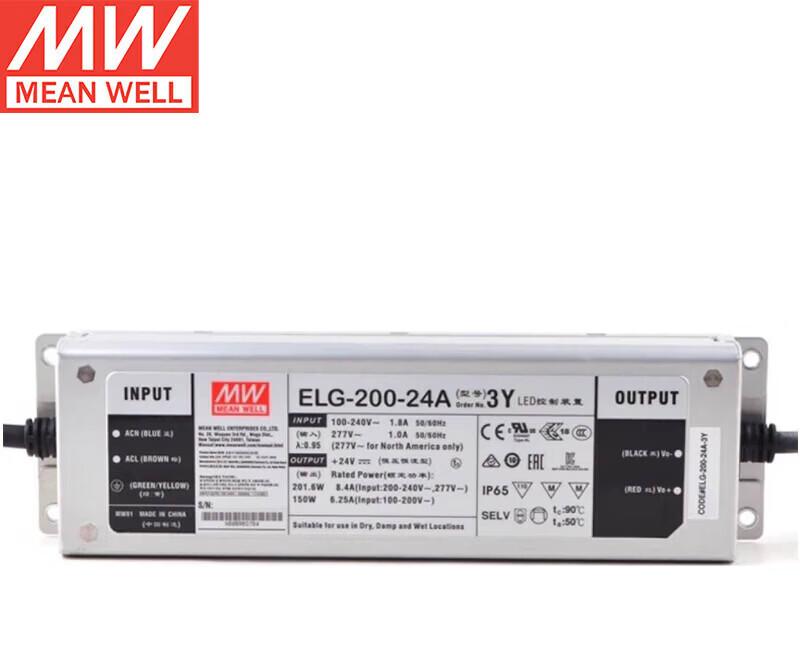
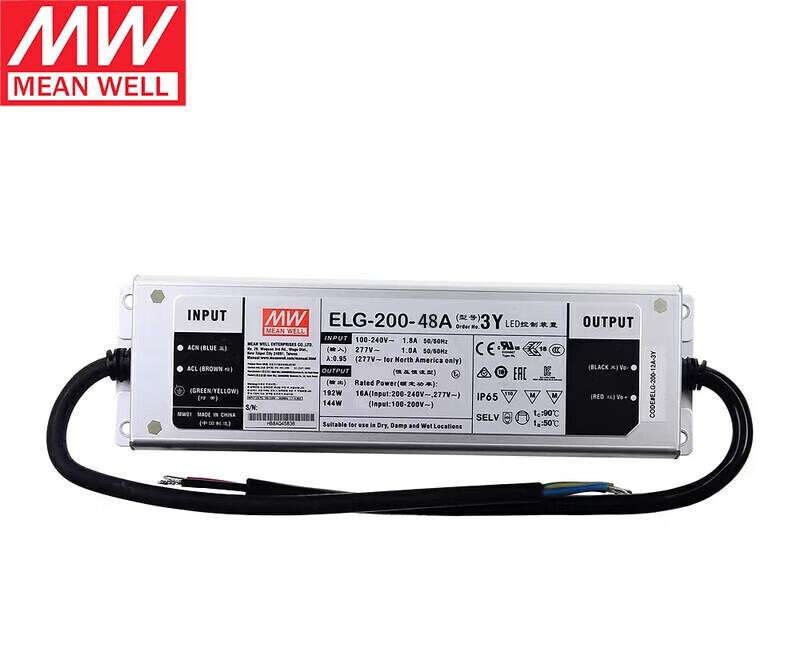
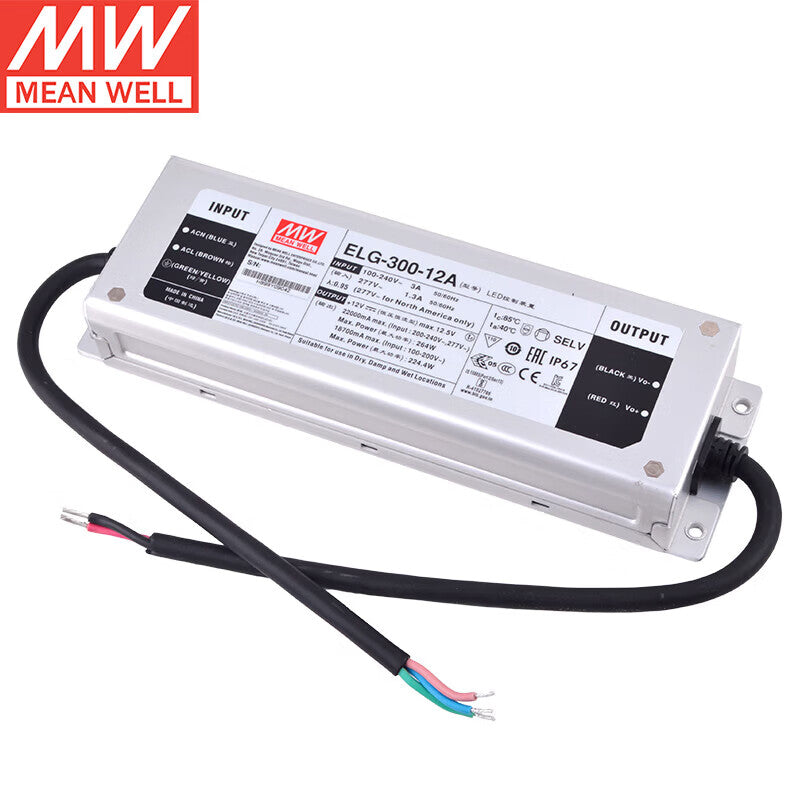
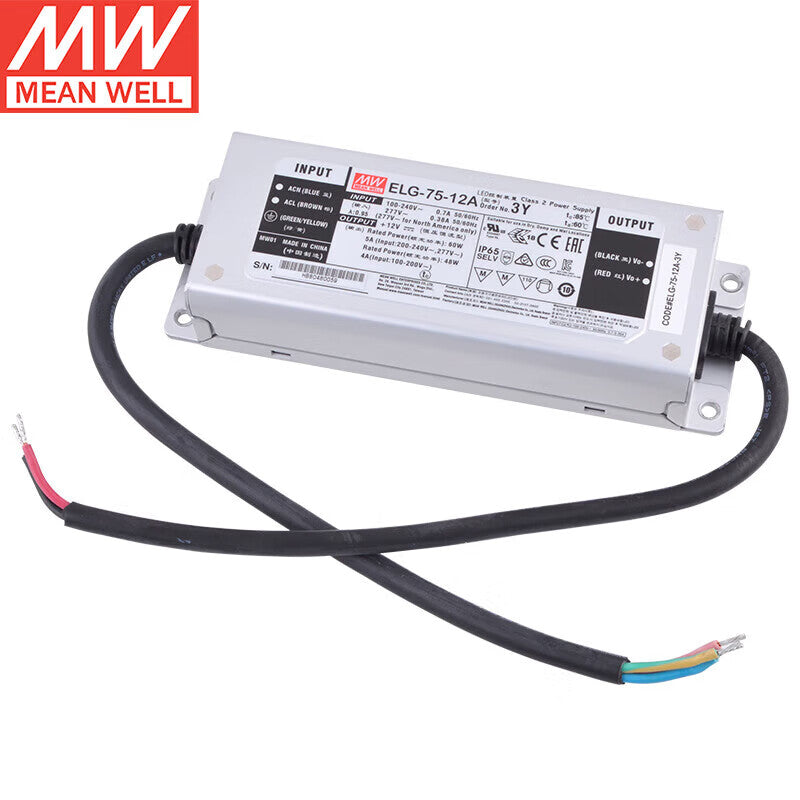
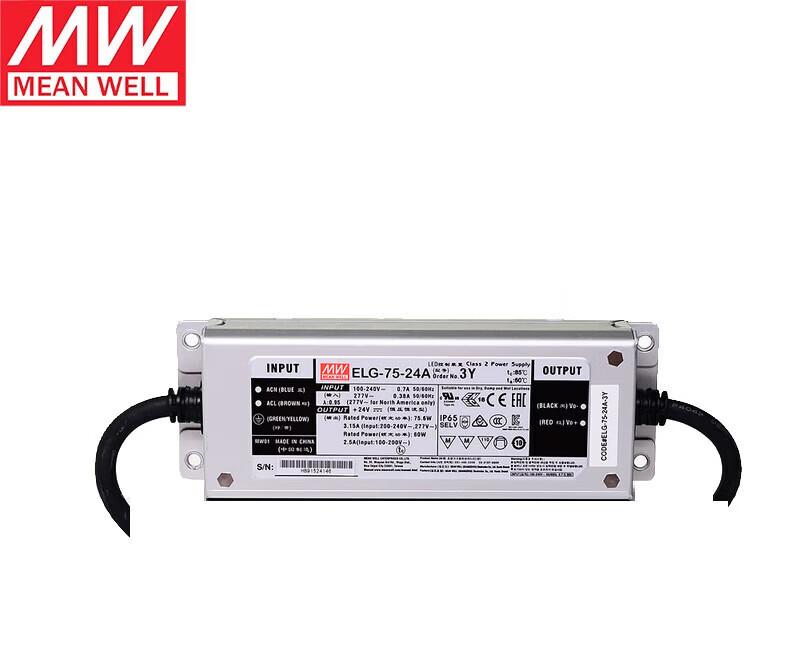
Switching Power Supply (SMPS)
- Compact and efficient (85-95%)
- Lightweight, versatile
- Used in most electronics today
-
Bench Power Supply
- Adjustable voltage/current
- Used for prototyping, testing
Conversion Process: AC to DC
Most power supplies perform this 4-step conversion:
AC Input (120V/240V)
    ↓
[1] RECTIFICATION → Converts AC to pulsing DC
    ↓
[2] FILTERING → Smoothens to steady DC
    ↓
[3] TRANSFORMATION → Adjusts voltage level
    ↓
[4] REGULATION → Maintains constant output
    ↓
DC Output (e.g., 5V, 12V, 48V)
Note: DC to AC conversion (inverters) is more complex and less efficient.
Safety Considerations
AC Dangers:
- Causes muscle contraction (“can’t let go” effect)
- Higher risk of cardiac arrest
- Arcing can occur even when switched off
DC Dangers:
- Can cause sustained muscle contraction
- More likely to cause severe burns
- Generally safer below 50V (SELV – Safety Extra Low Voltage)
Rule of thumb: Both can be deadly. Respect all electrical sources.
Choosing the Right Power Supply
When You Need AC Power:
- Running motors, compressors, pumps
- Heating elements, incandescent lighting
- Large industrial equipment
- When connecting to grid power
When You Need DC Power:
- All electronic circuits, computers, phones
- LED lighting systems
- Battery charging
- Automotive/marine systems
- Solar power systems
Emerging Trends
-
High-Voltage DC Transmission
- Becoming viable for very long distances
- Used in undersea cables, solar farms
-
USB Power Delivery
- Delivers up to 240W DC over USB-C
- One cable for charging and data
-
DC Microgrids
- Buildings with native DC distribution
- Reduces conversion losses with solar/batteries
-
Wireless Power
- Uses AC in transmitter, DC in device
- Emerging standard for consumer electronics
Common Questions Answered
Q: Can I plug DC into AC outlet?
A: Never. This will damage equipment and create fire hazard.
Q: Why do power adapters get warm?
A: Conversion inefficiency creates heat (typically 10-15% energy loss).
Q: Are car outlets AC or DC?
A: DC (12V typically). “Car inverters” convert this to AC.
Q: Which is more efficient?
A: DC devices are generally more efficient, but AC transmission is more efficient.
Q: Why 50Hz vs 60Hz?
A: Historical standards. Europe/Asia use 50Hz, Americas use 60Hz.
Quick Reference Guide
Look for AC when you see:
- Wall outlets, extension cords
- Power strips, wall warts
- Words: “AC,” “~,” “50/60Hz”
Look for DC when you see:
- Battery symbols (+ and -)
- USB ports, barrel connectors
- Words: “DC,” “⎓,” specific voltages (5V, 12V, etc.)
Conversion Equipment:
- AC→DC: Rectifier, power adapter, charger
- DC→AC: Inverter (used in RVs, solar systems)
Bottom Line
AC and DC are complementary technologies, each optimized for different tasks:
- AC = Best for generation and distribution
- DC = Best for storage and electronics
Modern life depends on both working together seamlessly. The power supply in any device serves as the translator between these two electrical “languages,” ensuring your devices get the type of power they need to function properly.
Remember: Always check voltage, current, and AC/DC requirements before connecting any device. Mismatches can cause immediate damage or create safety hazards.

