
Nessun prodotto nel carrello.











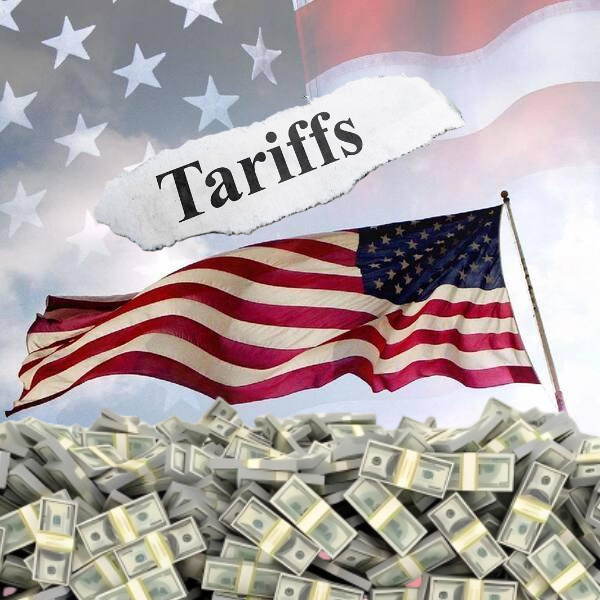
Power Supply Industry Tariffs Update 2026: Global Impact Analysis and Strategic Outlook
Executive Summary: Navigating the 2026 Regulatory Landscape
The 2026 tariff landscape represents a significant shift in global trade policies affecting the power supply industry. With changes spanning industrial equipment, consumer electronics, renewable energy components, and critical infrastructure, manufacturers, distributors, and end-users must understand these developments to maintain competitiveness and compliance. This comprehensive analysis examines the latest updates, their implications, and strategic responses.
1. Major 2026 Tariff Changes by Region
United States: Inflation Reduction Act (IRA) Extensions and Modifications
New for 2026:
• Section 301 tariffs on Chinese electronics: Increase from 25% to 30%
• Renewable energy components: 15% tariff reduction for domestic manufacturing
• Critical infrastructure power systems: New 10% duty on imported industrial UPS
• Medical equipment power supplies: Exemption extensions through 2028
Key Impact: U.S. manufacturers may face increased component costs while renewable projects benefit from incentives. The CHIPS Act provisions continue to affect semiconductor-based power electronics.
European Union: Carbon Border Adjustment Mechanism (CBAM) Phase 3
- Full Implementation: Carbon costs integrated into all imported electronics
- Power Supply Specifics: Tariffs based on manufacturing carbon footprint
- Exemptions: For suppliers with verified green manufacturing processes
- Timeline: Complete phase-in by December 2026
Strategic Implication: EU importers will prioritize suppliers with transparent, low-carbon manufacturing.
China: Strategic Technology Development Tariffs
- Export Controls: Rare earth materials for magnetics
- Import Duties: 5-15% reductions on advanced power semiconductor manufacturing equipment
- Retaliatory Measures: Potential increases on U.S. and EU industrial power equipment
United Kingdom: Post-Brexit Trade Agreement Updates
- Rules of Origin: Stricter requirements for power supply components
- EU Trade: Gradual tariff reintroduction on certain power electronics
- Commonwealth Preferences: New agreements affecting supply chains
2. Product Category-Specific Changes
Industrial & IT Power Supplies
| Tipo di prodotto | U.S. Change | EU Change | Asia-Pacific Change |
|---|---|---|---|
| Server/Data Center PSU | +5% duty | CBAM applicable | ASEAN tariffs reduced |
| Telecom Power Systems | No change | +3% standard duty | -2% regional agreement |
| LED Driver Power Supplies | -7% for ENERGY STAR compliant | Green tariff incentive | Mixed changes |
| Adapter/Charger (Consumer) | +8% for >100W units | WEEE compliance penalties increased | Variable by country |
Renewable Energy Power Electronics
- Solar Inverters: U.S. tariffs reduced by 12% for domestic assembly
- EV Charging Systems: EU eliminates tariffs for Level 3 chargers
- Wind Turbine Converters: Global tariffs harmonized under WTO agreement
- Battery Storage PSU: New classification with 5-8% typical tariffs
Medical & Specialty Power Supplies
- Life-Support Equipment: Continued tariff exemptions globally
- Laboratory Instrument PSU: Reduced duties for research institutions
- Military/Aerospace: Country-specific increases for national security
3. Country-Specific Updates
India: “Make in India” 2.0 Initiatives
- Production-Linked Incentives (PLI): Expanded to include power electronics
- Import Duties: 10-15% increases on finished power supplies
- Component Exemptions: Reduced duties on semiconductors and magnetics
- Timeline: Effective April 2026
Vietnam: Emerging Manufacturing Hub
- EU-Vietnam FTA: Full implementation reduces duties to 0-3%
- U.S. Trade: Potential tariff benefits as alternative to China
- Local Content Requirements: 30% minimum for preferential rates
Mexico: USMCA Updates
- Regional Value Content: Increased to 70% for automotive power electronics
- Labor Value Content: New requirements affecting manufacturing costs
- Energy Efficiency Standards: Linked to tariff reductions
4. Compliance and Certification Impact
Updated Standards Affecting Tariffs
- Energy Efficiency Requirements
- ErP Directive (EU): Lot 9 updates affecting external power supplies
- DOE Level VI (U.S.): Mandatory compliance for tariff benefits
- MEPS (Australia): Expanded scope to include industrial PSU
- Safety Certification Changes
- IEC 62368-1 4th Edition: Expected 2026 publication affecting compliance
- Medical Equipment: Harmonization of IEC 60601-1 requirements
- Cybersecurity: New requirements for connected power systems
Documentation and Reporting
- Country of Origin: Enhanced verification requirements
- Materials Declaration: Conflict minerals reporting expanded
- Carbon Accounting: Mandatory for EU imports under CBAM
5. Strategic Recommendations for Industry Players
For Manufacturers
- Supply Chain Diversification
- Develop multi-region manufacturing capabilities
- Qualify alternate component suppliers
- Invest in regional inventory hubs
- Product Design Strategies
- Modular designs adaptable to regional requirements
- Efficiency optimization for tariff benefits
- Standardization across regulatory environments
- Cost Management Approachestext复制下载Priority Actions: 1. Conduct total landed cost analysis for each market 2. Evaluate near-shoring/reshoring opportunities 3. Implement tariff engineering (product classification review) 4. Utilize foreign trade zones where applicable
For Purchasing and Procurement
- Contract Structuring
- Include tariff escalation clauses
- Define responsibility for duty payments
- Build flexibility for sourcing changes
- Supplier Management
- Regular compliance audits
- Joint planning for regulatory changes
- Performance metrics including tariff optimization
For Logistics and Trade Compliance
- Classification Review
- Verify HS codes for all products
- Document binding rulings
- Monitor classification changes
- Trade Program Utilization
- Maximize free trade agreement benefits
- Implement duty drawback programs
- Use temporary import provisions for R&D
6. Financial Planning and Forecasting
Cost Projection Models
- Best Case Scenario: 2-4% overall cost increase
- Base Case Scenario: 5-8% overall cost increase
- Worst Case Scenario: 10-15% overall cost increase (trade conflict escalation)
Mitigation Strategies
- Price Adjustments: Gradual implementation with customer communication
- Value Engineering: Cost reduction without performance compromise
- Product Mix Optimization: Focus on favorable tariff categories
- Local Assembly: Final assembly in destination markets to reduce duties
7. Technology and Innovation Implications
Tariff-Driven R&D Focus
- Wide Bandgap Semiconductors: Lower tariffs in most regions
- Modular Power Systems: Simplified regional customization
- Digital Power Management: Enhanced efficiency for tariff benefits
Manufacturing Technology Investments
- Automation: Offset labor cost differentials
- Localized Production: Smaller, flexible manufacturing cells
- Circular Economy: Remanufacturing benefits from tariff structures
8. Risk Assessment and Contingency Planning
High-Risk Scenarios
- U.S.-China Trade Escalation: Additional 25%+ tariffs possible
- EU Carbon Tax Expansion: To include full supply chain emissions
- Regional Trade Conflicts: Cascading protectionist measures
Mitigation Framework
Immediate Actions (0-6 months):
• Conduct tariff impact assessment
• Engage customs brokers for classification review
• Develop communication plan for customers

Medium-term Actions (6-18 months):
• Evaluate alternative sourcing options
• Initiate product redesign if necessary
• Establish regional inventory buffers

Long-term Strategy (18-36 months):
• Develop multi-region manufacturing footprint
• Invest in tariff-advantaged technologies
• Build strategic partnerships in key markets
9. Monitoring and Adaptation Framework
Key Indicators to Watch
- Monthly: Customs rulings, duty payment data
- Quarterly: Trade negotiation updates, policy announcements
- Annually: Tariff schedule revisions, trade agreement changes
Information Resources
- Government Sources
- U.S. International Trade Commission (USITC)
- European Commission Trade Directorate
- WTO Tariff Database
- Industry Associations
- Power Sources Manufacturers Association (PSMA)
- International Electrotechnical Commission (IEC)
- Regional electronics associations
- Consulting Services
- Customs brokerage firms
- Trade law specialists
- Supply chain consulting
10. Conclusion: Strategic Imperatives for 2026
The 2026 tariff landscape presents both challenges and opportunities for the power supply industry. Organizations that proactively address these changes will gain competitive advantages through:
- Cost Leadership: Optimized supply chains and product designs
- Market Access: Compliance with evolving regional requirements
- Innovation Edge: Focus on tariff-advantaged technologies
- Customer Value: Stable pricing and reliable supply despite changes
Critical Success Factors:
- Agility: Rapid response to regulatory changes
- Transparency: Clear communication with stakeholders
- Expertise: Deep understanding of trade compliance
- Collaboration: Partnerships across the value chain
The organizations that will thrive in 2026 and beyond are those viewing tariffs not merely as a cost factor, but as a strategic element in their global business planning. By integrating tariff considerations into product development, supply chain design, and market strategy, companies can turn regulatory challenges into competitive advantages.
Disclaimer: This analysis is based on current proposals, trade negotiations, and industry intelligence as of Q4 2025. Tariff implementations are subject to political processes and may change. Readers should verify specific requirements with qualified trade counsel and customs authorities before making business decisions.
Publication Date: November 2025 | Next Update Scheduled: March 2026
Contact for Customized Analysis: C2PSU


About author

Related posts

Choosing the right voltage for your power supply is a critical decision that affects performance, safety, and longevity of your electronic systems. While it may... Continua a leggere
Power isn’t just an afterthought for your robot—it’s its lifeblood. Selecting the correct battery charger and power cord is one of the most critical, yet... Continua a leggere
A high-performance CPU, a powerful GPU, fast storage—these are the components that capture our attention when building or upgrading a system. Yet, the component that... Continua a leggere

In the vast landscape of industrial automation, we often celebrate the “brains” of the operation—the controllers and computers that make decisions. However, the true “muscle”... Continua a leggere
If you’ve ever wondered what keeps modern factories running smoothly, the answer is simple: Programmable Logic Controllers (PLCs) . These rugged industrial computers have been the foundation... Continua a leggere







Add comment