











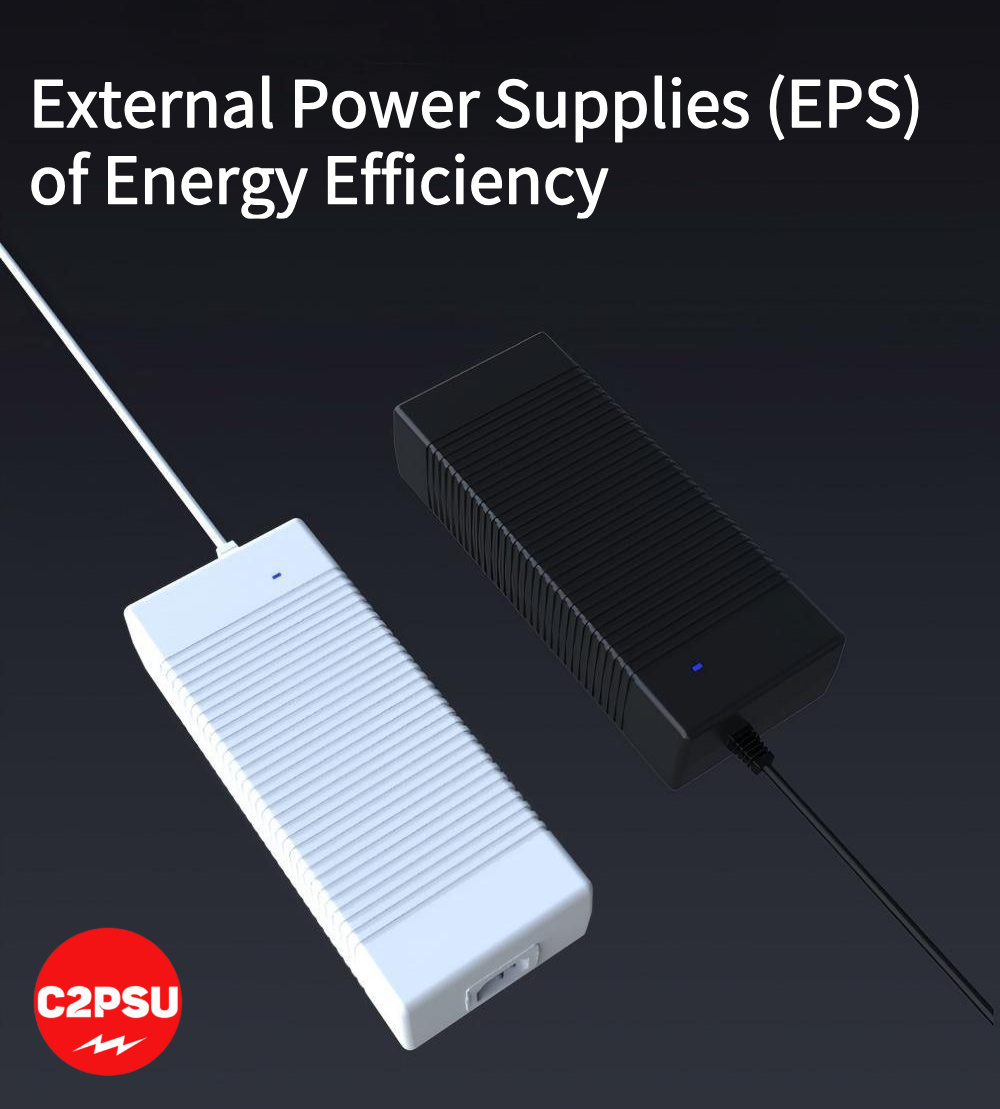
External Power Supplies (EPS) of Energy Efficiency: Powering Your Devices Sustainably
What is an External Power Supply (EPS)?
An External Power Supply (EPS) is the ubiquitous “power adapter” or “wall wart” that converts mains alternating current (AC) from your wall outlet into lower-voltage direct current (DC) for a vast array of electronic devices. You use them to charge laptops, smartphones, smart speakers, routers, monitors, and countless other gadgets.
While individually small, their global impact is massive. With billions in use worldwide, their collective energy consumption and efficiency are critical for both economic and environmental reasons.
Why EPS Efficiency Matters: More Than Just Your Bill
An inefficient power supply wastes energy as heat, even when your device is fully charged or not connected (no-load condition). This “phantom load” or “vampire power” adds up significantly across households and businesses.
- Reduce Energy Bills: A more efficient EPS draws less power to perform the same task, directly lowering electricity costs over the device’s lifetime.
- Lower Environmental Impact: Reducing wasted energy decreases greenhouse gas emissions from power plants, combating climate change.
- Enhanced Reliability: Efficient power supplies typically run cooler, which can extend their lifespan and improve the safety and durability of your devices.
- Global Energy Savings: Mandating efficient EPSs is one of the most cost-effective carbon reduction strategies available.
Understanding the Key Metrics: Efficiency and No-Load Power
When evaluating an EPS, two key specifications are crucial:
- Average Active-Mode Efficiency: This measures how well the adapter converts AC to DC while powering your device. A higher percentage means less energy is lost as heat. Modern regulations often require a minimum of 85% or higher across various load levels.
- No-Load Power Consumption: This is the amount of power (in watts) the adapter consumes when plugged into the wall but not connected to its device. Top-performing adapters use less than 0.1W in this mode.
Global Regulatory Standards: Driving Improvement
To capture these savings, governments worldwide have implemented mandatory efficiency standards for EPSs. Key regulations include:
- U.S. Department of Energy (DOE) / ENERGY STAR: The U.S. has stringent, regularly updated standards defining minimum efficiency and maximum no-load power. The ENERGY STAR label identifies products that meet or exceed these requirements.
- EU Ecodesign Directive (Lot 9): The European Union enforces similar, ambitious limits on efficiency and no-load power for EPSs placed on the market.
- International Efficiency Marking Protocol: You can often identify an adapter’s efficiency tier by a Roman numeral on its label (e.g., IV, V, VI). Level VI (or higher) represents the current global benchmark for high efficiency, harmonizing requirements across the U.S., EU, and other regions like Australia and South Korea.
Choosing an Efficient EPS: A Consumer Guide
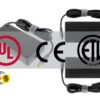
- Look for the Markings: Always check for the ENERGY STAR logo or the International Efficiency Mark (e.g., Level VI) on the adapter itself or its packaging.
- Beware of Counterfeits: Purchase chargers and adapters from reputable manufacturers and retailers. Cheap, uncertified adapters are often inefficient, unsafe, and can damage your devices.
- Unplug When Not in Use: The simplest habit is to unplug the adapter from the wall outlet when you’re not charging or using the device. Using a switched power strip makes this easier for multiple devices.
- Use the Original or Certified Equivalent: Manufacturers design original EPSs to optimally match their devices. If you need a replacement, ensure it is certified to the same or higher efficiency standard.
The Future of EPS Technology
Innovation continues to push the boundaries of efficiency and sustainability.
- GaN (Gallium Nitride) Technology: GaN semiconductors allow for smaller, lighter, and significantly more efficient power supplies that generate less heat compared to traditional silicon.
- Universal Standards & Reduced E-Waste: Initiatives like the EU’s push for a common USB-C charging port aim to reduce the number of different EPSs needed, cutting down on electronic waste and consumer frustration.
- Even Stricter Regulations: Global standards will continue to evolve, targeting near-zero no-load consumption and pushing average active-mode efficiency closer to 90-95%.
Conclusion
External Power Supplies are a silent but substantial part of our energy footprint. By understanding the importance of efficiency, recognizing the regulatory labels, and making informed choices, consumers and businesses can contribute to significant energy savings, reduced utility bills, and a healthier planet. Choosing a high-efficiency EPS (Level VI or better) is a simple, effective step toward a more sustainable digital life.
Disclaimer: This article is for informational purposes. For the latest specific regulatory requirements, please consult official sources like the U.S. DOE, European Commission, or ENERGY STAR websites.
About author




Add comment