
No hay productos en la cesta.











The Process of DC to AC Power Conversion: How Inverters Transform Power
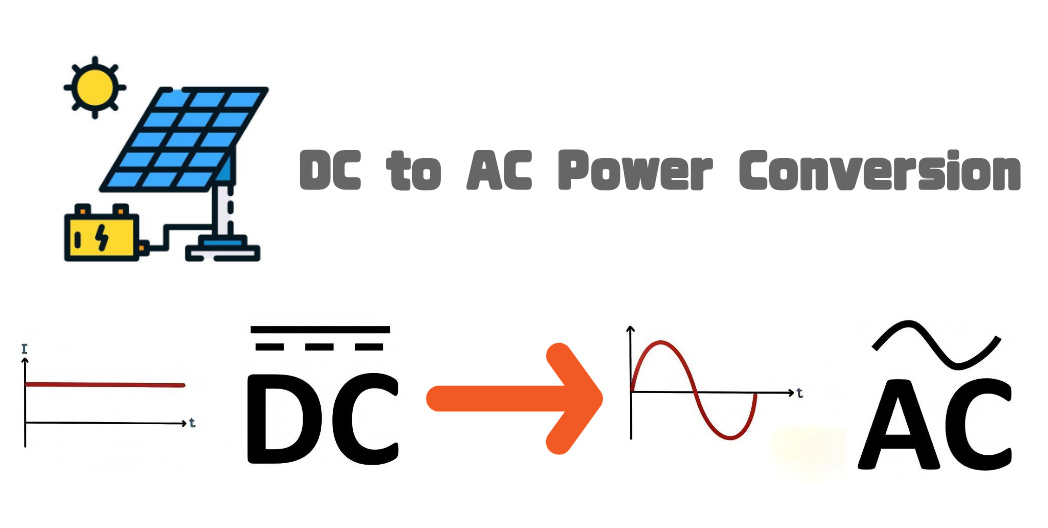
DC to AC power conversion is a fundamental technology that enables everything from solar power systems to uninterruptible power supplies and electric vehicles to function in our AC-dominated world. This article explores the step-by-step process, key components, and various methods used to transform direct current into usable alternating current.
The Fundamental Challenge: From Steady to Oscillating
Direct current (DC) flows in one direction at a constant voltage, while alternating current (AC) periodically reverses direction with a sinusoidal waveform. The core challenge of DC to AC conversion is creating this controlled oscillation from a steady input.
Core Components of a DC-AC Inverter
Every inverter, regardless of type, contains these essential elements:
- DC Input Stage – Receives and filters incoming DC power
- Oscillator/Controller – Generates the switching signals
- Power Switching Stage – Electronic switches that create the AC waveform
- Output Transformer (in some designs) – Steps up voltage and provides isolation
- Output Filter – Smooths the waveform into proper AC
- Control Circuitry – Monitors and regulates the entire process
The Conversion Process: Step by Step
Step 1: DC Input Conditioning
The process begins with preparing the DC input:
- Filtering: Capacitors smooth any input voltage fluctuations
- Voltage monitoring: Circuits ensure input stays within safe operating range
- Surge protection: Components guard against voltage spikes
Step 2: High-Frequency Switching
This is the heart of modern inverter technology:
- Electronic switches (MOSFETs or IGBTs) rapidly turn the DC on and off
- Switching frequencies typically range from 20 kHz to several MHz
- Pulse-width modulation (PWM) controls the switches to create a pseudo-AC waveform
How it works: Two switches operate in complementary fashion—when one is on, the other is off, creating alternating positive and negative pulses.
Step 3: Waveform Synthesis
The high-frequency pulses are shaped into an AC waveform:
- For square wave inverters: Simple on-off switching creates a basic alternating pattern
- For modified sine wave: Multiple PWM levels approximate a stepped sine wave
- For pure sine wave: Sophisticated PWM with filtering creates a smooth sinusoidal waveform
Step 4: Voltage Transformation
Most applications require voltage adjustment:
- Low-frequency transformers: Used in traditional designs, provide isolation but are bulky
- High-frequency transformers: Smaller and lighter, used in most modern inverters
- Transformerless designs: Use electronic voltage conversion, lighter but no galvanic isolation
Step 5: Output Filtering and Regulation
The final stage refines the output:
- LC filters (inductors and capacitors) smooth the waveform
- Feedback circuits continuously adjust switching to maintain proper voltage and frequency
- Protection circuits monitor for overloads, short circuits, and faults
Types of DC-AC Conversion Methods
1. Square Wave Inverters
- Simplest design using basic switching
- Efficiency: High (90-95%)
- Waveform quality: Poor, incompatible with many devices
- Applications: Simple resistive loads, basic tools
Process: Alternating between positive and negative DC voltage with equal timing.
2. Modified Sine Wave Inverters
- Stepped approximation of sine wave using multiple voltage levels
- Efficiency: Good (85-90%)
- Compatibility: Works with most devices but may cause humming or reduced efficiency
- Cost/Performance balance: Most common in mid-range applications
Process: Creating a stair-step waveform that roughly follows a sine pattern.
3. Pure Sine Wave Inverters
- Sophisticated PWM with filtering produces true sinusoidal waveform
- Efficiency: Good to excellent (85-95%)
- Compatibility: 100% with all AC devices
- Applications: Sensitive electronics, medical equipment, premium systems
Process: High-frequency PWM with precise timing and extensive filtering.
4. Grid-Tie Inverters
- Specialized for connecting to utility grids
- Additional synchronization to match grid phase and frequency
- Safety features: Anti-islanding protection
- Applications: Solar systems, wind turbines, distributed generation
Process: Standard sine wave generation plus precise grid synchronization.
Key Technological Approaches
High-Frequency vs. Low-Frequency Design
| Aspect | High-Frequency Inverter | Low-Frequency Inverter |
|---|---|---|
| Transformer | Small, high-frequency type | Large, heavy 50/60Hz type |
| Size/Weight | Compact, lightweight | Bulky, heavy |
| Efficiency | Higher (90-95%) | Lower (80-90%) |
| Surge Capacity | Limited | Excellent (3-6x rated) |
| Cost | Lower | Higher |
Digital vs. Analog Control
Digital Control (Modern Standard):
- Microprocessor-based precision
- Adaptable to different loads
- Programmable features
- Advanced monitoring and communication
Analog Control (Legacy Systems):
- Simple oscillator circuits
- Fixed operating parameters
- Less adaptable but highly reliable
- Still used in some basic applications
Efficiency Considerations in the Conversion Process
Power is lost at each stage of conversion:
- Switching losses in transistors (2-5%)
- Conduction losses in all components (1-3%)
- Transformer losses (1-4% in high-frequency designs)
- Control circuit consumption (1-2%)
Typical overall efficiencies:
- Basic square wave: 90-93%
- Modified sine wave: 85-90%
- Pure sine wave: 87-94%
- Premium grid-tie: 95-98%
Applications and Their Specific Requirements
Solar Power Systems
- Maximum Power Point Tracking (MPPT) optimizes DC input
- Grid synchronization for utility connection
- Islanding protection for safety
- Efficiency prioritization to maximize energy harvest
Uninterruptible Power Supplies (UPS)
- Fast switching (2-10ms) from bypass to inverter power
- Voltage regulation during battery operation
- Compatibility with connected equipment
- Reliability as critical backup
Electric Vehicles
- High power density for space constraints
- Efficiency optimization to extend range
- Thermal management for high-power operation
- Regenerative capability for braking energy recovery
Industrial Motor Drives
- Variable frequency output for speed control
- High torque capability at low speeds
- Robust construction for harsh environments
- Precise control algorithms for different motor types
Advanced Technologies and Future Trends
Wide Bandgap Semiconductors
- Silicon Carbide (SiC) and Gallium Nitride (GaN) devices
- Higher switching frequencies (MHz range)
- Reduced losses and smaller components
- Higher temperature operation
Multilevel Inverters
- Cascaded H-bridge designs
- Improved waveform quality with fewer harmonics
- Higher voltage capability without extreme component ratings
- Modular construction for scalability
Soft-Switching Techniques
- Resonant converters that reduce switching losses
- Zero-voltage or zero-current switching
- Higher efficiency at high frequencies
- Reduced electromagnetic interference
Safety Considerations in DC-AC Conversion
Electrical Isolation
- Galvanic separation between input and output
- Prevents DC injection into AC systems
- Protects against fault conditions
- Essential for user safety and equipment protection
Protection Features
- Overcurrent shutdown
- Over/under voltage protection
- Over-temperature protection
- Short-circuit protection
- Anti-islanding (for grid-tie systems)
Standards and Certifications
- UL 1741 for grid-tie inverters
- IEC 62109 for solar inverter safety
- IEEE 1547 for interconnection standards
- Regional certifications (CE, FCC, etc.)
Practical Implementation Considerations
Heat Management
- Heat sink design based on power level
- Forced air vs. natural convection cooling
- Thermal protection to prevent damage
- Efficiency impact on cooling requirements
Electromagnetic Compatibility (EMC)
- Input and output filtering to reduce noise
- Shielding to contain electromagnetic interference
- Compliance testing for regulatory requirements
- Grounding strategies for noise reduction
System Integration
- Input voltage range compatibility
- Output voltage and frequency accuracy
- Load compatibility with waveform type
- Communication interfaces for monitoring/control
The Complete Process in Action: A Solar Inverter Example
- DC Input: Solar panels produce variable DC (200-800V)
- MPPT Tracking: Controller finds optimal operating point
- High-Frequency Switching: IGBTs switch at 20kHz
- Isolation: High-frequency transformer provides galvanic isolation
- Waveform Synthesis: PWM creates sinusoidal pattern
- Grid Synchronization: Controller matches phase with utility
- Output Filtering: LC filter smoothes the waveform
- Grid Connection: Clean AC power feeds into electrical system
- Monitoring: Continuous performance tracking and fault detection
Conclusion: The Art and Science of Power Conversion
DC to AC power conversion represents a remarkable fusion of power electronics, control theory, and practical engineering. From the simple square wave inverter powering basic tools to the sophisticated grid-tie systems feeding megawatts of solar power into utility grids, the core process remains fundamentally similar: using high-speed electronic switching to transform steady DC into usable AC.
The choice of conversion method—square wave, modified sine, or pure sine—depends entirely on the application requirements and the sensitivity of connected equipment. As technology advances, we’re seeing higher efficiencies, smaller sizes, and smarter functionality in modern inverters, driven by innovations in semiconductor technology and digital control systems.
Understanding the DC to AC conversion process empowers better system design, appropriate product selection, and informed troubleshooting—whether you’re installing a home solar system, designing industrial equipment, or simply trying to keep the lights on during a power outage.


Sobre el autor

Puestos relacionados

Choosing the right voltage for your power supply is a critical decision that affects performance, safety, and longevity of your electronic systems. While it may... Seguir leyendo
Power isn’t just an afterthought for your robot—it’s its lifeblood. Selecting the correct battery charger and power cord is one of the most critical, yet... Seguir leyendo
A high-performance CPU, a powerful GPU, fast storage—these are the components that capture our attention when building or upgrading a system. Yet, the component that... Seguir leyendo
In the vast landscape of industrial automation, we often celebrate the “brains” of the operation—the controllers and computers that make decisions. However, the true “muscle”... Seguir leyendo
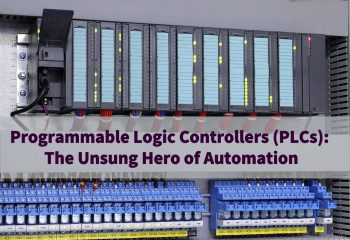
If you’ve ever wondered what keeps modern factories running smoothly, the answer is simple: Programmable Logic Controllers (PLCs) . These rugged industrial computers have been the foundation... Seguir leyendo






Añadir un comentario