
Es befinden sich keine Produkte im Warenkorb.











Decoding the USB-C Mandate: Implications for Adapters, Chargers, and OEMs
In October 2022, the European Parliament made a decision that would fundamentally reshape the global electronics landscape: mandating USB-C as the universal charging port for a wide range of consumer devices. While framed as consumer convenience and environmental legislation, this mandate represents a seismic shift for the entire power supply ecosystem. For the first time, what was once a competitive differentiator—proprietary charging technology—is becoming a regulatory compliance issue. This article decodes the technical, commercial, and strategic implications of this mandate for adapter manufacturers, charger brands, and Original Equipment Manufacturers (OEMs), providing a roadmap through the new regulatory landscape.
Chapter 1: Understanding the Mandate – Beyond Headlines
The Legal Framework: EU Directive 2022/2380
Core Requirements:
- Port Standardization: USB-C becomes mandatory for wired charging of:
- Smartphones and tablets (by December 28, 2024)
- Laptops (by April 28, 2026)
- Digital cameras, headphones, handheld consoles, e-readers (by 2024)
- Exceptions: Very small devices (smartwatches, health trackers)
- Fast Charging Harmonization:
- Devices supporting fast charging must use USB Power Delivery (PD)
- Elimination of “vendor lock-in” through proprietary protocols
- Communication standard: USB PD becomes the universal negotiation protocol
- Unbundling Requirement:
- Consumers must be able to purchase devices without chargers
- Clear labeling of charging characteristics required
- “No charger included” must not limit device functionality
Global Ripple Effects
The EU as De Facto Global Standard-Setter:
- Brussels Effect: EU regulations often become global standards (see: GDPR, RoHS)
- Manufacturing Reality: Global supply chains make regional differentiation impractical
- Voluntary Adoption: Apple already transitioned iPhones to USB-C globally
- Legislative Momentum: Brazil, India, and other markets considering similar mandates
Timeline Pressure:
2023: Final technical specifications published
2024 Q4: Smartphone/tablet deadline (24 months after publication)
2026 Q2: Laptop deadline (40 months after publication)
Chapter 2: Adapter Manufacturers – The Compliance Redesign
Technical Redesign Requirements
1. Connector Consolidation:
- Port Elimination: Removal of proprietary ports (Lightning, Micro-USB variants)
- Universal Input: Must maintain compatibility with legacy devices during transition
- Form Factor Challenges: USB-C connector size affects industrial design
2. Power Delivery Implementation:
Before Mandate:            After Mandate:
Proprietary IC → Custom    Standard PD Controller →
Custom Firmware            Certified PD Firmware
Unique Voltage/Current     Standard PD Profiles
                           (5V/9V/15V/20V/28V/36V/48V)
3. Safety Recertification:
- Every redesigned adapter requires full recertification:
- UL/ETL/TÜV (safety)
- CE/FCC (EMC)
- USB-IF certification (PD compliance)
- Cost Impact: $15,000-$50,000 per SKU for full certification suite
- Time Impact: 3-6 months per certification cycle
Production and Inventory Challenges
The SKU Explosion Problem:
- Current State: Manufacturers produce adapters for specific devices/brands
- Future Requirement: Universal adapters must work across brands and categories
- Inventory Management: How many wattage variants? (30W, 45W, 65W, 100W+)
- Regional Variations: Different plug types, voltage requirements, labeling
Supply Chain Realignment:
Old Model:                New Model:
Brand → Contract →        Brand → Market Analysis →
Manufacturer →            Standard Product Selection →
Custom Design →           Volume Production →
Exclusive Supply          Multi-Brand Distribution
Component Sourcing Strategy:
- USB-C Connectors: High-reliability sources (Foxconn, Luxshare, JAE)
- PD Controllers: Certified chips (Texas Instruments, Cypress, NXP)
- Certified Cables: E-marked cables for >60W applications
- GaN Semiconductors: For competitive efficiency/size advantage
Chapter 3: Charger Brands – The Strategic Shift
From Proprietary Advantage to Universal Competition
The End of “Wall Garden” Strategies:
- Apple: Lightning ecosystem dismantled
- Samsung: Adaptive Fast Charging becomes PD-PPS implementation
- OnePlus/Oppo: Warp/VOOC require dual-mode operation (PD + proprietary)
- Result: Charger becomes a commodity, brand loyalty transfers to device
New Competitive Differentiators
1. Multi-Port Intelligence:
- Smart Power Allocation: Dynamic wattage distribution between ports
- Device Recognition: Identifying connected devices for optimal charging
- Example: Anker’s PowerIQ, UGREEN’s Nexode technology
2. Form Factor Innovation:
- GaN Advantage: Smaller, cooler, more efficient
- Foldable Designs: Travel-friendly prongs
- Modular Systems: Interchangeable plugs, replaceable cables
3. Sustainability Positioning:
- Longer Warranties: 3-5 years vs. traditional 1 year
- Repairability: User-replaceable cables
- Recycling Programs: Take-back initiatives
- Materials: Recycled plastics, reduced packaging
Market Segmentation Strategy
| Segment | Key Features | Price Point | Target Market |
|---|---|---|---|
| Budget | Single-port, basic PD | $10-20 | Replacement, secondary charger |
| Mainstream | 2-3 ports, GaN, 65W-100W | $25-45 | Professionals, multi-device users |
| Premium | 3-4 ports, GaN, 140W+, smart features | $50-90 | Power users, travelers, tech enthusiasts |
| Specialized | Desktop, automotive, industrial | $60+ | Specific use cases |
Chapter 4: OEM Implications – Beyond the Charging Port
Product Design Overhaul
1. Internal Architecture Changes:
- Battery Management: PD communication requires sophisticated BMS
- Thermal Design: Fast charging generates heat—requires enhanced dissipation
- Board Space: USB-C connector + PD controller occupy different footprint
- Cost Analysis:text复制下载Lightning Implementation: USB-C Implementation: – Connector: $0.15-0.25 – Connector: $0.10-0.20 – Controller: $0.05-0.10 – PD Controller: $0.20-0.40 – Certification: Apple MFi – USB-IF Certification: $5,000-10,000 – Royalty: $0.10-0.15 per unit – No per-unit royalty
2. Charger Inclusion Strategy:
Option 1: No Charger Included
- Pros: Lower cost, environmental appeal
- Cons: Customer frustration, accessory revenue loss

Option 2: Basic Charger Included
- Pros: Complete out-of-box experience
- Cons: Added cost, many users already have chargers

Option 3: Premium Charger (Upsell)
- Pros: Higher margin, better user experience
- Cons: Higher price point, inventory complexity
Software and Firmware Considerations
1. PD Firmware Development:
- Source Code Access: Need for in-house PD firmware expertise
- Testing Requirements: Extensive compatibility testing across charger ecosystem
- Update Capability: Field updates for PD behavior improvements
2. Device Charging Optimization:
- Adaptive Charging: Learning user patterns to optimize battery health
- Thermal Throttling: Dynamic adjustment based on temperature
- User Interface: Clear charging status, wattage display
Chapter 5: Certification and Compliance Maze
The Multi-Layer Certification Challenge
1. USB-IF Certification:
- Purpose: USB PD and physical layer compliance
- Process: Submit to authorized test lab, USB-IF review
- Cost: $4,000-$8,000 per product, annual membership fees
- Benefit: Right to use USB logo, inclusion in integrators list
2. Regional Safety Certifications:
- EU: CE marking (self-declaration with technical file)
- US: UL/ETL listing (third-party testing required)
- Other Markets: CCC (China), KC (Korea), PSE (Japan)
- Cost: $5,000-$20,000 per region per product
3. Environmental Compliance:
- RoHS 3: Restricted substances
- REACH: Chemical registration
- Energy Efficiency: CoC Tier 2, Energy Star
- Packaging: Local recycling symbol requirements
Testing Laboratory Selection Strategy
Considerations:
- Accreditation: ISO 17025, specific program recognition (UL, TÜV, etc.)
- Turnaround Time: 4-8 weeks typical
- Geographic Location: Multiple labs for different markets
- Technical Expertise: Experience with USB PD testing
- Cost Structure: Fixed quote vs. time-and-materials
Recommended Approach:
- Select one primary lab for core certifications
- Use local labs for market-specific requirements
- Establish long-term relationship for volume discounts
- Request combined testing (safety + EMC + PD) where possible
Chapter 6: Supply Chain and Manufacturing Impact
Component Sourcing Challenges
Critical Components with Supply Constraints:
- USB-C Connectors: High-quality, rated for 10,000+ cycles
- PD Controllers: Certified chips with firmware flexibility
- GaN FETs: Efficient but limited manufacturer base
- E-Marked Cables: Active components with certification requirements
Supplier Qualification Checklist:
- USB-IF membership and certification of components
- Production capacity for forecasted volumes
- Quality control processes (CPK >1.33)
- Regional manufacturing for tariff optimization
- Sustainability credentials (conflict minerals, carbon footprint)
Manufacturing Process Changes
1. Production Line Modifications:
- New soldering profiles for USB-C connectors
- Automated testing for PD functionality
- Enhanced ESD protection during assembly
2. Quality Control Enhancements:
- 100% PD handshake testing
- Cable integrity testing (CC line continuity)
- Thermal imaging under load
- Drop testing with cables attached
3. Packaging and Logistics:
- Revised packaging to show PD capabilities
- Multi-language compliance markings
- Reduced packaging for “no charger” configurations
- Inventory tracking for certification expiration dates
Chapter 7: Market Opportunities in a Standardized World
Emerging Product Categories
1. Universal Travel Adapters:
- Combines multiple plug types with USB-C PD
- Target: International business travelers
- Features: 2-4 USB-C ports, 65W-100W total
- Market Size: Estimated $800M by 2026
2. Desktop Power Stations:
- Multiple ports for workstation setup
- High wattage (200W+) for laptop + peripherals
- Integrated cable management
- Example: Satechi, CalDigit Thunderbolt stations
3. Automotive Charging Solutions:
- High-power USB-C for car charging
- Multiple ports for passengers
- Integration with vehicle systems
- Regulation: Must meet automotive EMC and safety standards
4. Industrial/Commercial Charging:
- Docking stations for enterprise environments
- Healthcare charging carts
- Retail display charging
- Requirements: Enhanced durability, security features
Service and Ecosystem Opportunities
1. Charging as a Service (CaaS):
- Subscription charging for offices, hotels, venues
- Managed charging stations with analytics
- Example: Chargelab, Blync
2. Certification Consulting:
- Helping smaller brands navigate compliance
- Pre-compliance testing services
- Technical documentation preparation
- Market Need: Many companies lack in-house expertise
3. Aftermarket Cable Business:
- High-quality, certified cables
- Specialized lengths and configurations
- Quality Differentiator: Full certification, durability guarantees
Chapter 8: Strategic Recommendations by Stakeholder
For Adapter Manufacturers
- Portfolio Rationalization:
- Reduce SKU count by 40-60%
- Focus on universal designs
- Eliminate proprietary variants
- Technology Investment:
- Develop in-house PD firmware expertise
- Invest in GaN design capabilities
- Implement automated PD testing
- Partnership Strategy:
- Align with major OEMs for volume contracts
- Establish relationships with component suppliers
- Consider mergers for scale advantage
For Charger Brands
- Brand Repositioning:
- Shift from device-specific to universal solutions
- Emphasize innovation beyond the connector
- Build sustainability credentials
- Channel Strategy:
- Expand beyond device bundles to retail
- Develop B2B sales for enterprise
- Establish e-commerce direct sales
- Product Development:
- Accelerate GaN adoption
- Develop smart charging features
- Create modular, repairable designs
For OEMs (Device Manufacturers)
- Transition Planning:
- Develop clear phase-out schedule for proprietary ports
- Manage customer communication carefully
- Offer trade-in programs for accessories
- Cost Management:
- Leverage volume for component pricing
- Redesign internal architecture for cost optimization
- Consider charger bundling strategies carefully
- Ecosystem Development:
- Develop accessory partner programs
- Create certification requirements for partners
- Build software ecosystem around charging
Conclusion: The New Power Dynamics
The USB-C mandate represents more than a connector change—it’s a fundamental restructuring of power relationships in the electronics industry. What began as an EU consumer convenience initiative has become a global forcing function for standardization, with profound implications across the value chain.
The Winners:
- Consumers: Simplified charging, reduced cost, less e-waste
- Standards Bodies: USB-IF gains prominence as de facto regulator
- Innovative Brands: Those who differentiate beyond the connector
- Component Suppliers: High-quality USB-C and PD component makers
The Challenged:
- Proprietary Ecosystem Owners: Revenue from accessories and licensing
- Small Manufacturers: Compliance costs as barrier to entry
- Retailers: Inventory management during transition period
The Strategic Imperative:
Every company in the power supply ecosystem must answer three questions:
- Compliance: How do we meet regulatory requirements efficiently?
- Differentiation: How do we compete in a standardized market?
- Innovation: Where are the next value creation opportunities?
The transition period (2024-2026) will be marked by complexity, but the destination is clear: a world where charging is universal, efficient, and intelligent. Companies that embrace this future as an opportunity for innovation—rather than resisting it as regulatory burden—will define the next generation of power delivery.
Timeline for Action:
- Now: Assess current portfolio and compliance gaps
- Q2 2024: Complete redesigns for smartphone/tablet accessories
- Q4 2024: Have certified products ready for EU deadline
- 2025: Expand universal product lines, explore new categories
- 2026: Complete laptop adapter transitions, consolidate market position
The USB-C mandate isn’t the end of innovation in power delivery—it’s the beginning of a new chapter where innovation shifts from proprietary connectors to intelligent power management, sustainable design, and enhanced user experiences. The companies that understand this shift will thrive in the universal charging era.
Über den Autor

Verwandte Beiträge

Choosing the right voltage for your power supply is a critical decision that affects performance, safety, and longevity of your electronic systems. While it may... Lesen Sie weiter
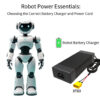
Power isn’t just an afterthought for your robot—it’s its lifeblood. Selecting the correct battery charger and power cord is one of the most critical, yet... Lesen Sie weiter
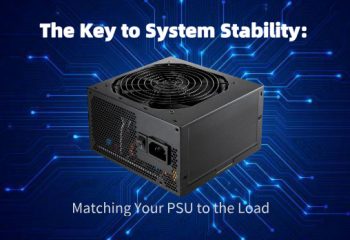
A high-performance CPU, a powerful GPU, fast storage—these are the components that capture our attention when building or upgrading a system. Yet, the component that... Lesen Sie weiter

In the vast landscape of industrial automation, we often celebrate the “brains” of the operation—the controllers and computers that make decisions. However, the true “muscle”... Lesen Sie weiter

If you’ve ever wondered what keeps modern factories running smoothly, the answer is simple: Programmable Logic Controllers (PLCs) . These rugged industrial computers have been the foundation... Lesen Sie weiter




Kommentar hinzufügen